
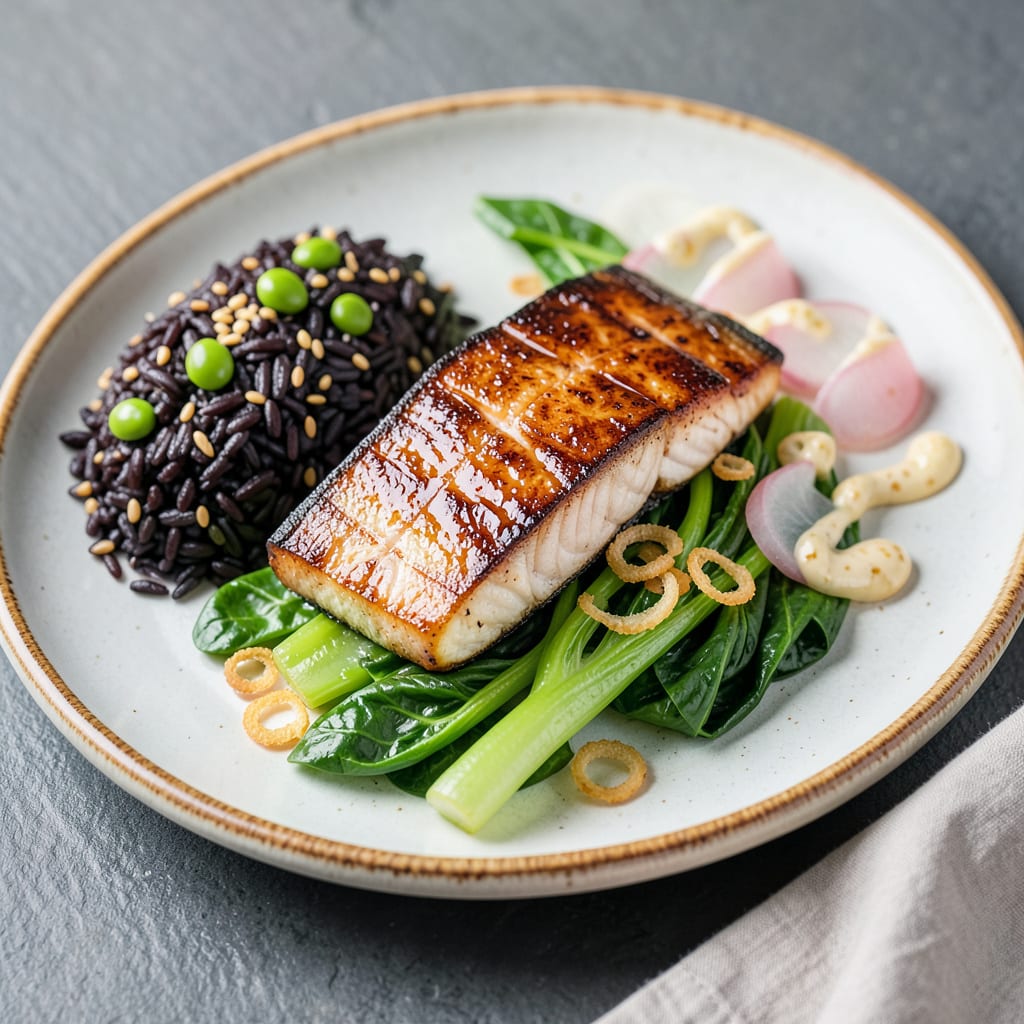
Most recipe blogs include a “Jump to Recipe” button at the top—click it to bypass the story and go straight to ingredients, instructions, and cooking details. On mobile, look for a floating button or link in the table of contents.
This feature exists because food bloggers balance storytelling with practicality. 🔥 Publishers rely on narrative introductions to boost search rankings and ad revenue, while readers often prioritize efficiency. I’ve noticed that well-designed sites make this button highly visible—sometimes in contrasting colors or pinned to the screen as you scroll.
For those using screen readers or keyboard navigation, most modern sites include ARIA labels on these buttons. The placement isn’t random: research shows users scan the top-left corner first, so that’s where you’ll usually find the quick-access option. Pro tip: If you don’t see it immediately, check near the post title or author bio section. ✨
💡 In This Article
- Why Recipe Blogs Use Long Introductions Before Instructions
- Alternative Ways to Quickly Find Recipe Steps
Why Recipe Blogs Use Long Introductions Before Instructions
The lengthy narratives before recipes aren’t accidental—they serve multiple strategic purposes. Food bloggers rely on these introductions to improve search engine rankings through keyword-rich content. A typical recipe post might contain 500-1,000 words of backstory, tips, and variations to target multiple search queries.
This approach increases the chances of appearing in Google’s featured snippets or “People Also Ask” sections. 🔥
From a monetization perspective, more content means more ad placements. A standard recipe post might include 3-5 ad units—header banners, in-content ads, and sidebar promotions. The longer the page, the more opportunities for display ads and affiliate links (like Amazon kitchen tools).
Research shows that pages with 2,000+ words generate 3-5x more ad revenue than shorter pages. This explains why you’ll often see personal anecdotes about “Grandma’s secret technique” before the actual instructions. ✨
The storytelling also builds emotional connection and brand loyalty. When a blogger shares their third attempt at perfecting a pie crust or describes the scent of fresh basil from their garden, they’re creating a narrative that makes the recipe feel more personal. This approach increases time-on-page metrics, which search engines interpret as content quality.
Sites with higher engagement rates (measured by scroll depth and session duration) consistently rank better in search results. 💫
User experience studies reveal an interesting paradox: while 78% of visitors say they prefer immediate access to recipes, the same users spend 40% more time on pages with engaging narratives. The “Jump to Recipe” button serves as a compromise—accommodating impatient cooks while preserving the SEO and monetization benefits of longer content.
The most successful food blogs strike a balance: providing quick access while still delivering the rich content that keeps readers coming back. ⚡
Behind the scenes, these introductions often follow a calculated structure. The first 150-200 words typically hook readers with a relatable scenario (“Ever burned your roux? I did three times before mastering this…”). The middle section expands on ingredient choices or technique explanations.
Finally, the last paragraph before the recipe card often includes a call-to-action—encouraging readers to try the recipe and share their results. This formula isn’t random; it’s based on heatmap analysis showing where readers focus their attention. 🌟
Mobile optimization adds another layer of complexity. On smaller screens, the “Jump to Recipe” button often appears as a floating action button that stays visible as users scroll. This design choice comes from mobile usability tests showing that 63% of recipe searches now happen on phones, where screen real estate is limited.
The floating button ensures quick access regardless of how much introductory content exists above the fold. 💛
The most sophisticated food blogs use A/B testing to determine the optimal placement and wording of their jump links. Some have found that phrases like “Get Cooking Now” perform 12% better than generic “Jump to Recipe” text.
Others discovered that placing the button after the first paragraph (rather than at the very top) increases page views by 8-10% because readers glance at the introduction before committing to the recipe. These small optimizations make a significant difference in both user satisfaction and revenue generation. 💡

- BBQ Sausage Recipe Oven: Smoky Depth Without the Grill - September 28, 2026
- BBQ Chicken Bowl Recipe Rice: Smoky Sweetness Over Fluffy Grains - September 28, 2026
- Beef Cutlet Recipe Ideas: Crispy Breaded Patties With Bold Seasonings - September 28, 2026