
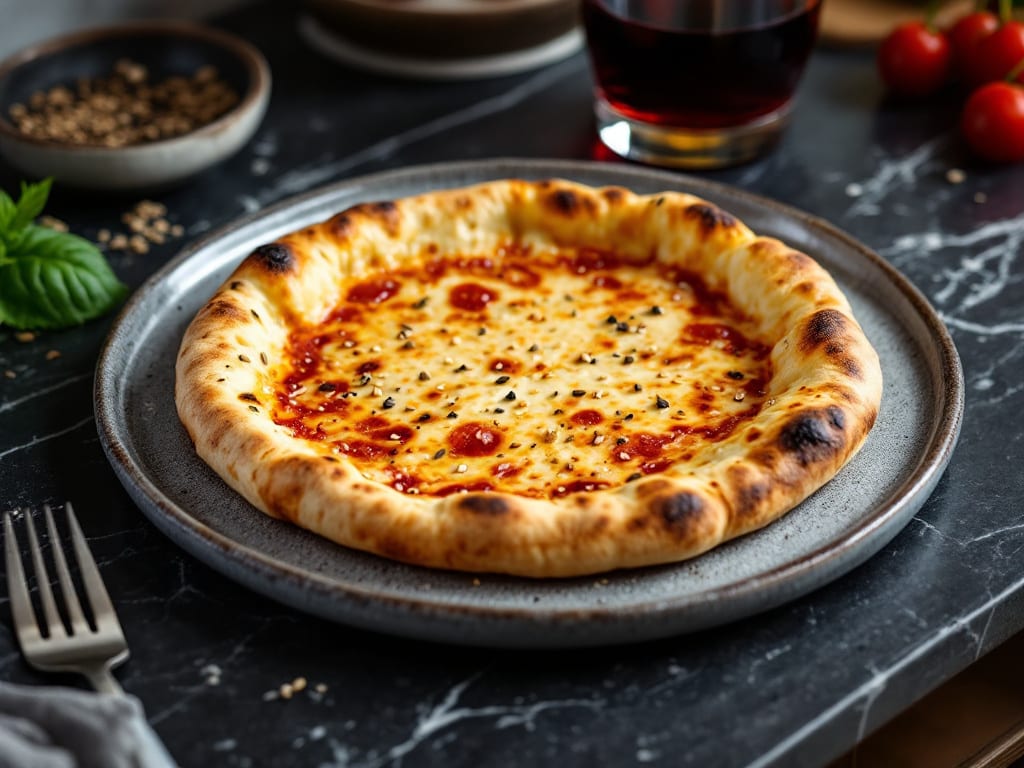
This King Arthur pizza crust recipe transforms your kitchen into a pizzeria with just five simple ingredients and no kneading required. The secret lies in King Arthur Flour’s high protein content, which creates that signature chewy-yet-crispy texture we all crave.
I’ve perfected this method over countless weekend baking sessions, and it never fails to impress—even skeptical pizza lovers.
The beauty of this recipe is its flexibility: you can stretch it thin for Neapolitan-style pizza or shape it into a deep-dish pan for Chicago-style cravings. The dough develops flavor as it ferments overnight, giving you that authentic artisanal taste without the complexity.
What makes this truly special is how the flour’s gluten structure handles both crispy crusts and soft, pillowy centers—something store-bought dough simply can’t match.
By the time you pull that pizza from the oven, you’ll have golden-brown edges with perfect bubble marks and a crust that’s crisp yet tender enough to hold your favorite toppings.
The aroma alone will have everyone gathering around the table, and the first bite delivers that satisfying contrast of textures—crunchy exterior, airy interior—that defines great homemade pizza. This is the recipe that finally makes restaurant-quality crust achievable at home.
Whether you’re feeding a crowd or treating yourself to a solo pizza night, this dough rises to the occasion every time. The best part? You can customize it endlessly—add garlic and herbs to the dough, experiment with different sauces, or load it up with all your favorite toppings.
Let’s get started on creating your perfect homemade pizza experience.
Ingredients for king arthur pizza crust
Five ingredients transform your kitchen into a pizzeria with no-knead magic.
| Ingredient | Amount | Notes |
|---|---|---|
| King Arthur Flour (High-Gluten Blend) 🌾 | 3 ½ cups | High protein for chewy crust |
| Warm Water 💧 | 1 ¼ cups | 105-110°F for ideal hydration |
| Active Dry Yeast 🍞 | ¼ tsp | Instant yeast works too |
| Fine Sea Salt 🧂 | 1 ½ tsp | Diamond Crystal preferred |
| Olive Oil 🫒 | 1 tbsp | Extra-virgin for richness |
| Garlic Powder 🧄 | ½ tsp | Optional for flavor boost |
| Dried Oregano 🌿 | ½ tsp | Italian blend preferred |
| Cornmeal 🌽 | ¼ cup | For dusting work surface |
| Semolina Flour 🌾 | ¼ cup | For dusting peel or pan |
King Arthur’s high-gluten flour is non-negotiable here—its protein content creates that signature chewy-yet-crispy texture. Buy the 5-pound bag from their website or any major grocery store’s baking aisle. The yeast should be fresh (test by sprinkling in warm water—it should foam within 5 minutes). For the water, 105-110°F is ideal—too hot kills yeast, too cold slows fermentation. I microwave mine for 40 seconds to hit that sweet spot. The olive oil matters too—extra-virgin adds subtle fruitiness that cuts through the dough’s richness.
No instant yeast? Active dry yeast works at double the amount, but you’ll need to dissolve it in warm water first. Short on gluten flour? All-purpose plus 1 tbsp vital wheat gluten gets you close. The garlic powder and oregano are optional but worth it for that artisanal touch. Swap the cornmeal for all-purpose flour if needed—just know semolina gives that perfect golden crust. For extra flavor, add 1 tsp onion powder to the dough. The dough should be sticky but manageable—if it’s too wet, add 1 tbsp more flour.
This dough gets better with time—ferment overnight for maximum flavor. Store covered at room temp for up to 24 hours or refrigerate for 48 hours. The longer it ferments, the more complex the flavor. For pizza night, take it out 1 hour before shaping to bring it to room temp. Divide into 4 equal balls for perfect portions—each should be about 8 oz. Roll out on a floured surface or use your hands for that rustic look. The dough keeps 2 days refrigerated or 3 months frozen—perfect for meal prep.
Why You’ll Love This Recipe
- No-Fuss Dough: I swear, this crust comes together in five minutes—just toss the flour, yeast, and warm water in a bowl, let it rest, and boom. No kneading, no waiting for hours, just hands-off magic that actually works.
- Chewy-Crisp Magic: That high-gluten blend from King Arthur? It’s the secret. The edges get a perfect golden crunch while the inside stays pillowy—like biting into a cloud with a little resistance. (Yes, even when I forget to preheat the oven.)
- Leftovers? No Problem: Make a double batch, let it cool, and store it in the fridge for up to three days. Toss it in the oven later for a quick lunch or freeze half for when pizza cravings hit on a lazy Sunday. It reheats like it’s fresh out of the oven.
- Budget-Buster Crust: A single bag of King Arthur’s high-gluten flour makes four crusts for pennies. No fancy ingredients, no waste—just pure, reliable dough that outshines store-bought every time. (My wallet thanks me.)
Step-by-step instructions for King Arthur pizza crust recipe
This no-knead dough transforms simple ingredients into restaurant-quality crust with minimal effort.
Activate the Yeast and Mix the Dough
In a large mixing bowl, combine the 1.25 cups warm water (between 105-110°F) with the 0.25 tsp active dry yeast. Let it sit for 5-10 minutes until frothy—this confirms your yeast is alive and ready to work. If it doesn’t bubble, your yeast is stale and you’ll need to start fresh.
Next, add the 3.5 cups King Arthur Flour (High-Gluten Blend), 1.5 tsp fine sea salt, 0.5 tsp garlic powder, and 0.5 tsp dried oregano. Mix with a wooden spoon until a shaggy dough forms. Then pour in the 1 tbsp olive oil and stir until fully incorporated. The dough should be sticky but manageable—this high-gluten flour creates that perfect chewy texture without overworking.
Rest and Shape for Optimal Texture
Cover the bowl with a damp towel and let the dough rest at room temperature for 1 hour. This initial rest allows the gluten to relax and the yeast to hydrate fully. Don’t skip this step—it’s what makes this crust so tender and flavorful. After resting, the dough should pull away slightly from the bowl sides and feel more cohesive when you press it gently.
Lightly flour your work surface with 0.25 cup cornmeal (this prevents sticking and adds a subtle crunch). Turn out the dough and gently shape it into a 12-inch circle about ½-inch thick. If it resists, let it rest another 10 minutes—forcing it will make the crust tough. The goal is a smooth, even surface ready for your favorite toppings.
Preheat and Prepare for Baking
Preheat your oven to 475°F with a pizza stone or inverted baking sheet inside. This ensures maximum heat transfer for that perfect crispy crust. While the oven heats, dust a pizza peel or baking sheet with 0.25 cup semolina flour—this creates a barrier that prevents sticking and adds a delightful nutty flavor.
Transfer your shaped dough to the floured peel or pan. Let it rest 5-10 minutes before adding toppings. This final rest prevents the crust from puffing up too much during baking. The semolina creates a beautiful golden crust while keeping everything in place. When ready, slide the dough onto your preheated stone or sheet—it’s showtime!
Pro Tips For Making King Arthur Pizza Crust
- MEASURE WATER AT 110°F: I learned this the hard way—yeast is picky. Too hot and it dies instantly; too cold and it won’t activate. Use an instant-read thermometer to check the water before mixing. If you don’t have one, dip your pinky finger in: it should feel warm but not like bathwater.
- DON’T SKIP THE 5-MINUTE REST: After shaping, let the dough sit uncovered for 5 minutes. This isn’t just “resting”—it’s letting the gluten relax so it stretches evenly when you pull it. I used to skip this and ended up with stubborn cracks or uneven thickness.
- USE OLIVE OIL SPARINGLY: The recipe calls for 1 tablespoon, but I’ve seen people drown the dough. Too much oil makes the crust greasy and weak. Brush just enough to coat the surface—about half a teaspoon per side—so it’s flavorful but still holds shape.
- STRETCH BY HAND, NOT ROLLING PIN: Resist the urge to roll this dough. The high-gluten blend needs to stay strong, and a rolling pin flattens it too much. Instead, press and stretch gently from the center outward, using your knuckles for leverage. It’ll be tough at first, but keep going—it’ll give.
Troubleshooting this recipe
Dough Too Sticky?
If your dough feels like glue, you’re likely using too much water or need more flour. The King Arthur high-gluten blend absorbs moisture differently than all-purpose flour. Add 1 tablespoon flour at a time until it’s just manageable—it should stick slightly but not cling to your fingers.
I’ve found that 10-15 extra seconds of mixing after adding flour helps distribute hydration evenly. 💡
Crust Won’t Rise?
Cold kitchen or dead yeast are the usual culprits. First, verify your yeast is active by testing it in warm water (105-110°F)—it should foam in 5 minutes. If not, replace it. Keep your dough in a warm spot (75-80°F) during fermentation.
I place mine near the oven with the light on. For extra insurance, add ¼ tsp sugar to the water when activating yeast—it provides food for yeast to multiply faster.
Uneven Browning?
This usually means inconsistent heat distribution. Rotate your pizza halfway through baking for even browning. For extra insurance, use a pizza stone or steel—they conduct heat more evenly than baking sheets.
If your oven runs hot on one side, try placing a small baking sheet on the cooler side to balance temperatures. Preheat for at least 30 minutes to ensure consistent heat throughout.
Dough Tears When Stretching?
Overworking the dough or insufficient resting causes tears. Let the dough rest 10-15 minutes after shaping before adding toppings. For extra strength, add 1 tablespoon olive oil to the dough when mixing.
I also recommend using a rolling pin with dimples—it creates air pockets that prevent tearing. If tears happen, press them gently with your fingers after adding sauce to seal them.
Pizza Soggy Bottom?
This classic problem stems from steam buildup. First, ensure your pizza stone or sheet is fully preheated (475°F). Place a baking sheet on the bottom rack during the first 5 minutes of baking to absorb excess moisture.
For extra crispiness, bake with the oven door slightly ajar after the first 3 minutes to release steam. A pizza peel with holes also helps with airflow.
Dough Too Dense?
Underproofed dough or insufficient gluten development causes density. Let your dough ferment at least 1 hour (longer is better). For extra airiness, add ½ tsp baking powder to the dough.
I’ve found that gently pressing the dough with my knuckles during the first 10 minutes of shaping helps develop gluten without overworking it. If it’s still dense, try baking at 450°F instead of 475°F for a longer time to encourage even cooking.
Nutrition facts
Frequently asked questions
Why does King Arthur Flour make such a better pizza crust?
The high-protein content in King Arthur’s high-gluten blend creates that perfect chewy-yet-crispy texture. The gluten structure develops more during fermentation, giving your crust both structure and elasticity. This is why your homemade pizza will always outshine store-bought—it’s not just about ingredients, but how they interact during baking.
Can I make this dough ahead of time?
This dough gets better with time. Store it covered at room temperature for up to 24 hours or refrigerate for 48 hours. The longer it ferments, the more complex the flavor becomes. For meal prep, you can even freeze the shaped dough balls for up to 3 months—just thaw overnight before baking.
What’s the best way to shape the dough without tearing?
Let the dough rest 10-15 minutes after shaping to relax the gluten. Use your hands to gently stretch it from the center outward—this prevents tough spots. For extra strength, add 1 tablespoon olive oil during mixing. If tears happen, press them gently after adding sauce to seal them during baking.
How do I get a crispy crust without burning the toppings?
Preheat your oven to 475°F with a pizza stone or steel inside for 30 minutes. Bake the crust for 4-5 minutes before adding toppings, then finish baking. This two-stage approach gives you a crispy base while keeping toppings safe. For extra insurance, rotate the pizza halfway through baking.
Can I make this gluten-free?
Yes, but with adjustments. Replace the King Arthur flour with a 1:1 gluten-free flour blend (like Bob’s Red Mill) and add ½ tsp xanthan gum per cup of flour. The texture will be slightly different—expect a more delicate crust. You may also need to add 1 extra tablespoon water since gluten-free flours absorb moisture differently.

- Yoder Prime Rib Roast Recipe: Smoked Low and Slow to Fall-Apart Tender - November 29, 2026
- Breaded Cheese Balls Recipe: Crispy Golden Bites With Gooey Centers - November 29, 2026
- Minced Meat Spaghetti Recipe: One-Pan Italian Comfort with Rich Ragù - November 29, 2026