
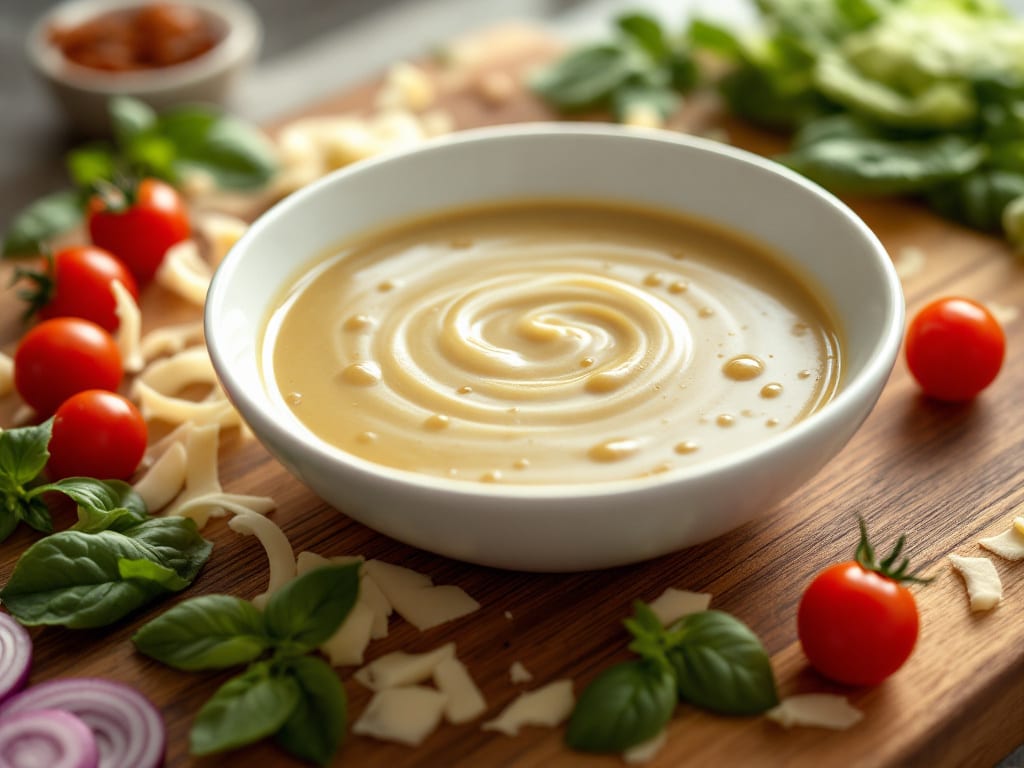
Master this Longhorn Steakhouse white balsamic vinaigrette dressing recipe to capture that signature tangy-sweet kick and transform any salad or protein dish. The secret lies in the precise ratio of white balsamic vinegar to olive oil, with Dijon mustard and honey creating that signature depth.
I’ve replicated this restaurant-quality dressing at home with simple ingredients and a foolproof emulsification technique.
What makes this dressing stand out is its ability to cut through rich flavors while enhancing them—ideal for grilled meats, roasted vegetables, or fresh salads. The white balsamic adds a subtle sweetness that pairs beautifully with the sharpness of Dijon and the smoothness of olive oil.
Unlike store-bought versions, this one stays fresh for up to 10 days when stored properly.
The result is a silky, well-balanced dressing that’s tangy yet sweet, with just the right amount of acidity to brighten any dish. It’s simple to make with just five ingredients, yet the flavor complexity rivals professional restaurant versions.
This is the kind of dressing that transforms ordinary meals into something special.
Ready in just 5 minutes, this vinaigrette requires no special equipment—just a whisk or small bowl. Whether you’re dressing a Caesar salad or drizzling over grilled chicken, this recipe delivers restaurant-quality results every time. Let’s get started on making your own perfect batch.
Ingredients for longhorn steakhouse white balsamic vinaigrette dressing
Five ingredients, precise ratios, and a restaurant-quality finish. This dressing delivers signature Longhorn Steakhouse tang and sweet harmony.
| Ingredient | Amount | Notes |
|---|---|---|
| White Balsamic Vinegar 🍷 | ⅓ cup | High-quality aged white balsamic |
| Extra-Virgin Olive Oil 🫒 | ⅔ cup | Light, fruity variety preferred |
| Dijon Mustard 🌶️ | 1 tbsp | Mellow, not spicy |
| Raw Honey 🍯 | 1 tbsp | Local preferred for depth |
| Diamond Crystal Kosher Salt 🧂 | ½ tsp | Fine grain for dissolution |
| Freshly Ground Black Pepper 🌶️ | ¼ tsp | Coarse grind for texture |
| Ice Water 💧 | 2 tbsp | For emulsification |
The white balsamic vinegar is non-negotiable—Balsamic Vinegar Co. or Colavita deliver that signature depth. Opt for aged white balsamic over regular balsamic vinegar, as it offers a cleaner, more refined acidity. For the olive oil, California extra-virgin brands like Corto or Filippo Berio provide the light, fruity profile needed to balance the dressing’s complexity. The Dijon mustard should be mellow (avoid hot varieties), and Maille or Amora are reliable choices. Honey selection matters too—local raw honey adds subtle floral notes that complement the vinegar’s acidity. All ingredients should be room temperature before combining to ensure proper emulsification.
No white balsamic? Substitute with apple cider vinegar plus 1 tsp extra honey for similar tang. Running low on Dijon? Whole-grain mustard thinned with 1 tsp water works in a pinch. The honey can be swapped for agave nectar or maple syrup, though flavor will differ slightly. For a salt-free version, omit the kosher salt and increase pepper to 0.5 tsp. The ice water is critical—it stabilizes the emulsion. If unavailable, chilled water works, though results may separate slightly faster. For a richer version, add 1 tsp minced shallot or 1 tsp lemon juice to brighten flavors.
This dressing maintains peak freshness for 10 days refrigerated in an airtight glass jar. For longer storage, freeze in 1-ounce portions for up to 6 months. Before using, whisk vigorously to re-emulsify. The dressing thickens slightly when chilled—always stir before serving. Portion into small jars for salads, or store in a squeeze bottle for easy drizzling over proteins. Avoid metal spoons when serving to prevent oxidation of the olive oil.
Why You’ll Love This Recipe
- Five-Ingredient Magic: I swear by this combo—just shake white balsamic, olive oil, Dijon, honey, and salt in a jar. No peeling garlic, no mincing herbs, no stress. The honey cuts through the sharpness of the vinegar while the Dijon adds that tangy punch without overpowering.
- Steakhouse in a Jar: That first drizzle on grilled steak? The white balsamic’s sweetness balances the richness, and the olive oil keeps it silky. I’ve used it on everything from salads to roasted potatoes, but it’s the steak where it really shines—like a secret menu item at home.
- Weeknight Workhorse: Make a big batch on Sunday and keep it in the fridge. It’s my go-to for quick salads, tacos, or even a drizzle over charred veggies. Honestly, I’ve lost count of how many times I’ve grabbed this jar instead of ordering takeout.
- Budget Brightener: White balsamic is cheaper than fancy vinegars, and you only need a splash to upgrade any dish. The honey adds depth without breaking the bank, and a little goes a long way—so you’re not buying extra just to use it up. My wallet and taste buds both win.
Step-by-step instructions for white balsamic vinaigrette dressing
This method delivers a perfectly balanced dressing with silky texture and vibrant flavor every time.
Whisk Together the Acidic Base
In a medium bowl, combine the 0.33 cup white balsamic vinegar and 1 tbsp Dijon mustard. Use a whisk to blend thoroughly for 10-15 seconds until the mustard is completely dissolved and no streaks remain. The vinegar’s sharp tang will begin to mellow slightly as it interacts with the mustard’s mellow warmth.
This initial combination creates the dressing’s foundational acidity. The mustard acts as an emulsifier that will help bind the oil later. If you notice any undissolved mustard seeds, continue whisking for another 5 seconds—they should fully incorporate for a smooth texture.
Incorporate Sweetness and Seasoning
Add the 1 tbsp raw honey and 0.5 tsp diamond crystal kosher salt to the vinegar-mustard mixture. Whisk continuously for 20-25 seconds until the honey is completely dissolved and the salt is evenly distributed. The mixture should now have a balanced sweet-tart profile with visible bubbles from the whisking.
Here’s where the flavor chemistry happens: the honey’s depth complements the vinegar’s acidity while the salt enhances both. Taste the mixture at this stage—it should taste pleasantly sharp with a noticeable sweetness and clean saltiness. This is your flavor baseline before adding oil.
Gradually Emulsify the Oil
With the whisk still in the bowl, very slowly drizzle in the 0.67 cup extra-virgin olive oil while whisking continuously. Add the oil in a thin, steady stream—about 1 tablespoon every 3-4 seconds—to give the mustard time to work as an emulsifier. The mixture should begin to thicken and take on a creamy appearance as the oil incorporates.
The key to a stable emulsion is patience. If you add the oil too quickly, you’ll create a separated dressing. Watch for the moment when the mixture becomes slightly thickened but still pourable—this indicates proper emulsification. The dressing should now coat the back of a spoon without immediately dripping away.
Finish with Pepper and Water
Add the 0.25 tsp freshly ground black pepper and 2 tbsp ice water to the emulsified mixture. Whisk vigorously for 15-20 seconds until the pepper is evenly distributed and the water is completely incorporated. The addition of ice water helps stabilize the emulsion while adding a subtle freshness to the dressing.
The pepper should be visible as tiny specks throughout the dressing rather than clumped. At this stage, the dressing should have reached its final consistency—smooth, slightly thickened, and ready to use. Taste again to confirm the balance of sweet, tangy, and savory elements before proceeding.
Rest and Adjust
Transfer the dressing to a clean jar or container with a tight-fitting lid. Let it rest at room temperature for 10-15 minutes before using. This resting period allows the flavors to fully meld and the emulsion to stabilize completely. Gently stir once before using to redistribute any settled ingredients.
If the dressing appears too thick after resting, whisk in 1 teaspoon of ice water at a time until it reaches your desired consistency. Conversely, if it’s too thin, whisk in 1 teaspoon of extra-virgin olive oil to thicken it slightly. The dressing should cling lightly to a spoon but still pour smoothly from a bottle.
Pro Tips For Making Longhorn Steakhouse White Balsamic Vinaigrette Dressing
- Whisk Slow and Steady: I used to dump everything in and go wild with the whisk, but this dressing separates like a bad relationship. Start with the vinegar, mustard, and honey—whisk until fully combined, then very gradually drizzle in the olive oil while whisking. If you pour too fast, you’ll end up with a split dressing that looks like someone sabotaged it.
- Use Real Honey: That cheap “honey” substitute in the pantry? Skip it. Raw honey’s thickness and floral depth cut through the sharpness of the white balsamic and Dijon like a knife through butter. If you’re out, a 1:1 swap with high-quality maple syrup works—but it’ll taste like you’re making salad dressing for a campfire, not a steakhouse.
- Salt in Stages: Taste after whisking the wet ingredients, then add salt before the oil. Diamond Crystal is finer than table salt, so start with half the recipe’s amount—you can always add more. Dumping it all in first guarantees you’ll either undersalt or turn your dressing into a brine bomb.
- Store It Right: This dressing won’t last forever, but if you refrigerate it in a sealed jar, it’ll keep for 3–4 days. The oil and vinegar separate—that’s normal—so give it a good shake before using. Pro move: Keep a small jar in the fridge and just shake what you need instead of making a whole batch. Less waste, same flavor.
Dietary considerations for this recipe
Gluten-Free Adaptation
This dressing is naturally gluten-free, thanks to its simple ingredients. The Dijon mustard is typically gluten-free, but always check the label—brands like Amora or Maille are safe choices. If you’re avoiding gluten entirely, ensure your white balsamic vinegar and honey are certified gluten-free.
The kosher salt and olive oil are inherently gluten-free, so no substitutions are needed for this dietary requirement. 🌾
Vegan-Friendly Version
For a vegan adaptation, simply omit the raw honey and replace it with 1 tbsp agave nectar or maple syrup. The rest of the ingredients remain the same, as they are all plant-based.
The dressing will still maintain its signature tangy-sweet balance while being completely free of animal products. This version works beautifully on vegan salads or as a drizzle for roasted vegetables.
Low-Sugar Options
If you’re watching your sugar intake, reduce the raw honey to ½ tbsp or swap it entirely for ½ tbsp sugar-free maple syrup. The dressing will still deliver that sweet-tart harmony, just with fewer calories.
For an even lower-sugar option, omit the honey entirely and increase the white balsamic vinegar to ⅓ cup + 1 tsp to compensate for the lost sweetness.
Allergen Considerations
This recipe contains mustard, which is a common allergen. If someone in your household has a mustard allergy, substitute the Dijon mustard with 1 tbsp apple cider vinegar for a similar tangy profile.
For those with honey allergies, use agave nectar or maple syrup as mentioned earlier. Always double-check ingredient labels, especially for vinegar and mustard, as cross-contamination can occur during processing.
Nut-Free Version
The original recipe is already nut-free, but if you’re using a honey substitute like agave nectar, ensure it’s processed in a nut-free facility. Some commercial agave products may be processed in facilities that also handle nuts.
For extra caution, choose a certified nut-free brand or make your own agave syrup at home. The dressing remains safe and delicious while accommodating nut allergies.
Nutrition facts
Frequently asked questions
Why does this white balsamic vinaigrette taste different from regular balsamic?
White balsamic vinegar has a cleaner, more delicate acidity compared to traditional dark balsamic. It lacks the deep caramelized sweetness of aged balsamic, offering a brighter tang that pairs perfectly with the honey and Dijon. The lighter color also makes it ideal for salads where you want visual appeal without overpowering the dish.
Can I make this dressing without a whisk?
Yes! Use a fork or small spoon to vigorously stir the ingredients in a bowl. For best results, whisk in short bursts (about 10 seconds) between each ingredient addition. The key is patience—gradually incorporating the oil while stirring continuously will still create a stable emulsion, though it may take slightly longer than whisking.
How do I fix a separated dressing?
Simply whisk in 1 teaspoon of ice water at a time until the dressing re-emulsifies. If that doesn’t work, add ½ teaspoon of Dijon mustard and whisk vigorously. For future batches, ensure all ingredients are room temperature and add the oil very slowly while whisking continuously to prevent separation.
What’s the best way to store leftover dressing?
Transfer to an airtight glass jar and refrigerate for up to 10 days. For longer storage, freeze in 1-ounce portions for up to 6 months. Thaw overnight in the fridge and whisk before using. Avoid metal containers as they can cause oxidation—glass or plastic with a tight seal works best.
Can I adjust the sweetness level?
For less sweetness, reduce honey to ½ tbsp or skip it entirely (add 1 tsp extra vinegar instead). For more sweetness, increase honey to 1.5 tbsp or add ½ tsp maple syrup. The dressing remains balanced as long as you maintain the 1:2 vinegar-to-oil ratio.

- Meghan Markle’s Pasta Recipe: Creamy Garlic Mushroom Twist for Weeknights - November 29, 2026
- Applebee’s Lemon Chicken with Quinoa Recipe: Bright Citrus Glaze and Fluffy Quinoa Fusion - November 29, 2026
- Oven-Dried Bananas Recipe: Caramelized Sweetness for Dessert or Breakfast - November 29, 2026