
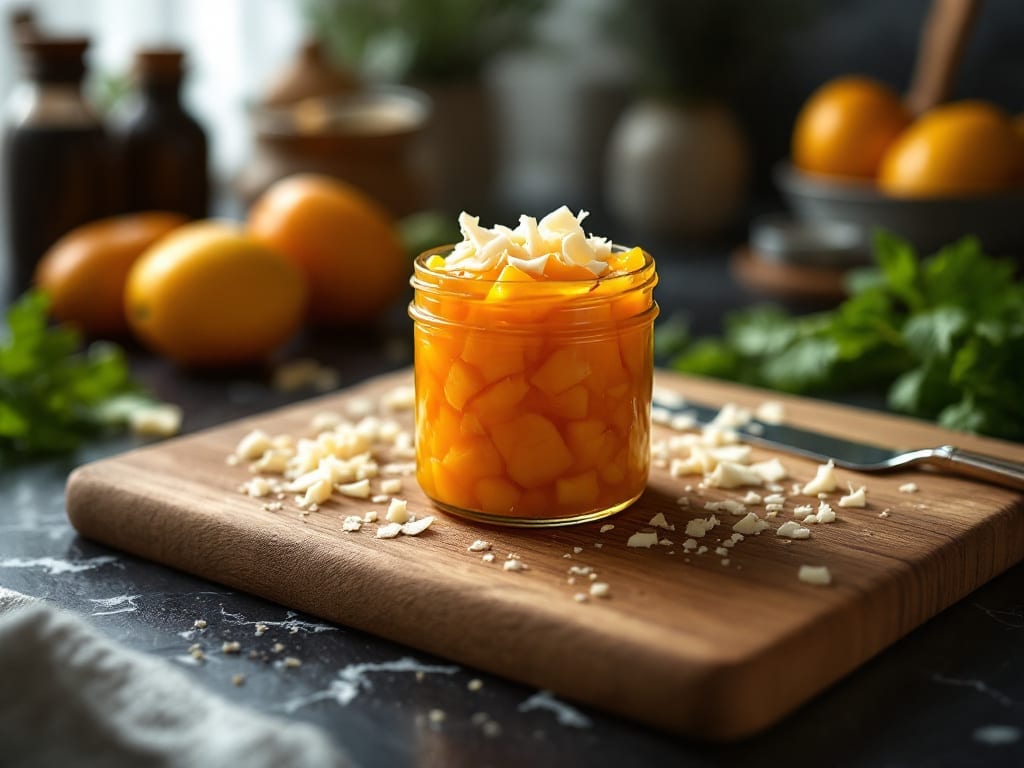
This mango pickle recipe transforms ripe mangoes into a sweet-tangy condiment that bridges traditional flavors with modern versatility—perfect for elevating everything from sandwiches to grilled meats.
The process combines precise slicing, aromatic spices, and a slow fermentation in vinegar or oil, creating a balance of crunchy texture and complex flavor that develops over time.
What makes this recipe stand out is its adaptability: whether you follow the classic Indian method with mustard seeds and turmeric or opt for a quick refrigerator version with lime and chili, the result delivers restaurant-quality depth.
The foundation of great mango pickle lies in preparation—thin, even slices ensure consistent texture, while a blend of spices like fenugreek, cumin, and black pepper creates layers of warmth and earthiness.
Traditional methods rely on slow fermentation in oil or vinegar, which intensifies flavors over weeks, while modern variations use vinegar and refrigeration for a quicker, 24-hour solution. Both approaches yield a product that’s crisp, tangy, and packed with sweetness, but with different shelf lives and storage requirements.
Once complete, this pickle transforms ordinary meals into extraordinary experiences—imagine its bright crunch cutting through rich meats, melting into creamy cheeses, or adding a zesty kick to sandwiches. The flavor profile evolves beautifully over time, making it a rewarding project for both beginners and seasoned cooks.
Whether you’re serving it at a picnic, pairing it with charcuterie, or using it as a topping for tacos, this recipe delivers a condiment that’s as versatile as it is delicious.
Ready to make your own? The process is straightforward, but the results are anything but ordinary—think of it as a flavor investment that pays off with every bite. Let’s get started with the ingredients and techniques that will turn your mangoes into a pantry staple.
Ingredients for mango pickle
Sweet-tangy mango pickle transforms ripe fruit into a vibrant condiment with layers of flavor and texture.
| Ingredient | Amount | Notes |
|---|---|---|
| Ripe Mangoes 🍈 | 4 whole | Alphonso or Ataulfo varieties preferred |
| White Vinegar 💧 | 1 cup | Distilled white vinegar preferred |
| Granulated Sugar 🍯 | 1 ½ cups | Fine grain for even dissolving |
| Mustard Seeds 🌶️ | 1 tbsp | Whole, yellow or brown variety |
| Ground Fenugreek Leaves 🌿 | 1 tbsp | Freshly ground for maximum aroma |
| Ground Cumin Seeds 🌿 | 1 tbsp | Toasted for enhanced flavor |
| Turmeric Powder 🌶️ | ½ tsp | Freshly ground for vibrant color |
| Black Salt (Kala Namak) 🧂 | ½ tsp | Substitute with regular salt if unavailable |
| Red Chili Powder 🔥 | ½ tsp | Adjust to taste for heat preference |
| Asafoetida Powder 🌿 | ¼ tsp | Optional, for depth of flavor |
| Vegetable Oil 🫒 | 1 ½ cups | For slow fermentation method |
| Lemon Juice 🍋 | 2 tbsp | Freshly squeezed for acidity |
| Salt 🧂 | 1 tsp | Kosher or sea salt preferred |
The choice of mango is critical—Alphonso or Ataulfo varieties offer the perfect balance of sweetness and firmness, ensuring the slices hold their shape during fermentation. Local Indian grocery stores often carry these varieties fresh or frozen, but any ripe mango with vibrant color and slight give will work. For the spices, Penzeys or Spicewalla provide high-quality, freshly ground options, but ensure your fenugreek and mustard seeds are whole and aromatic. The turmeric should be a bright, vibrant yellow—avoid powdered turmeric that has lost its potency. If using the slow fermentation method, opt for a neutral vegetable oil like canola or sunflower, as these won’t overpower the delicate flavors of the mango.
No mustard seeds? Substitute with 1 teaspoon of ground mustard, though the texture will differ slightly. Fenugreek leaves unavailable? Dried fenugreek seeds can be ground, but use half the amount. For a quicker refrigerator version, reduce the oil to 0.5 cup and increase vinegar to 1.5 cups, adjusting sugar to 1 cup. If you prefer a sweeter pickle, add an extra 0.5 cup of sugar, but ensure the mango slices are thin enough to absorb the syrup evenly. The black salt (kala namak) can be skipped, but it adds a unique sulfurous note that complements the sweetness—regular salt works in a pinch. For heat, adjust the chili powder to your preference, but start with less if you’re sensitive to spice.
Store the completed pickle in a sterilized glass jar with a tight-sealing lid. For the slow fermentation method, it will develop its best flavors over 4-6 weeks at room temperature, but can be refrigerated after 2 weeks for longer storage. The refrigerator version is ready in 24-48 hours and keeps for up to 3 months. To maintain crispness, ensure the mango slices are submerged in the liquid. If oil rises to the top during storage, simply stir before serving. The pickle will continue to mellow and deepen in flavor over time, making it a rewarding project for those willing to wait.
Why You’ll Love This Recipe
- No-Chop Required: I swear by this trick—just slice the mangoes into thick wedges, no dicing, no fuss. The vinegar and sugar work their magic while you sip chai, and by the time you’re done, those wedges are glossy, tangy, and perfectly preserved.
- Sweet-Sour Magic: That first bite? Pure contrast—crisp mango edges caramelized just enough, then the sharp kick of vinegar balanced by sugar. The mustard seeds and fenugreek add this earthy, almost spicy depth that makes it ridiculously addictive. (Yes, I’ve been known to eat it straight from the jar.)
- Party in a Jar: This isn’t just for snacks—dump it over yogurt, mix it into cocktails (trust me, the boozy mango vibes are real), or serve it as a side with grilled meats. My in-laws think it’s a fancy appetizer; my kids think it’s candy. Win-win.
- Lasts Forever (Seriously): I made a batch in July and it’s still going strong. The vinegar and sugar act like natural preservatives, so it’s my go-to for lazy Sundays or when I forget to buy groceries. Plus, the ingredients cost next to nothing—just a few bucks and a whole mango tree’s worth of flavor.
Step-by-step instructions for sweet-tangy mango pickle
This method delivers a perfectly balanced pickle with vibrant color and complex flavor.
Prepare the Mangoes for Fermentation
Wash the 4 whole ripe mangoes thoroughly and pat them completely dry. Using a sharp chef’s knife, carefully slice each mango lengthwise into quarters, removing the large central pit. Leave the skin on for natural protection during fermentation.
Transfer the mango quarters to a clean, non-reactive glass bowl. Add the 2 tablespoons lemon juice and toss gently to coat all surfaces. This acidification helps preserve color and prevents browning. Let the mangoes sit at room temperature for 30 minutes while you prepare the spice mixture.
Create the Spice-Sugar Syrup Base
In a medium saucepan, combine the 1.5 cups granulated sugar, 1 cup white vinegar, and 1 teaspoon salt. Bring to a gentle simmer over medium heat, stirring constantly until the sugar completely dissolves and the mixture reaches 180°F on a candy thermometer.
Remove from heat and let cool for 5 minutes. Then whisk in the 1 tablespoon mustard seeds, 1 tablespoon ground fenugreek leaves, 1 tablespoon ground cumin seeds, 0.5 teaspoon turmeric powder, 0.5 teaspoon black salt, 0.5 teaspoon red chili powder, and 0.25 teaspoon asafoetida powder. Stir until all spices are fully incorporated and the mixture reaches a smooth, syrupy consistency.
Combine and Ferment the Mixture
Pour the cooled spice syrup over the prepared mango quarters in the glass bowl. Using a silicone spatula, gently fold everything together until the mangoes are completely submerged in the syrup. Transfer to a clean, airtight glass jar.
Press down on the mangoes with a clean glass or weight to ensure they remain submerged in the liquid. Cover the jar with a breathable cloth or paper towel secured with a rubber band, then seal with the lid. Place in a dark, cool pantry location.
Ferment and Develop Flavor
Allow the mixture to ferment at room temperature for 7-10 days, stirring gently once daily. You’ll notice the color deepen to a rich amber and the mango flesh begin to soften slightly. The fermentation process creates those signature tangy notes that elevate the sweetness.
After the initial fermentation period, transfer the jar to the refrigerator. The cold temperature slows fermentation while allowing flavors to fully develop. For best results, let it mature in the fridge for an additional 14-21 days before serving. The longer it rests, the more complex the flavor profile becomes.
Store and Serve
Once fully developed, the mango pickle should have a glossy appearance with vibrant color and a syrupy consistency. Store in the refrigerator for up to 3 months, though the flavor continues to improve over time. The perfect balance of sweet, tangy, and spicy makes this an exceptional accompaniment to grilled meats, cheeses, or simply as a palate cleanser.
Pro Tips For Making Mango Pickle
- Cut Mangoes Evenly: Use a sharp knife and slice the fruit into ¼-inch thick pieces—thicker slices stay crunchy longer, but thinner ones soften faster. I learned this the hard way when my first batch turned mushy after just two weeks.
- Simmer Vinegar Slow: Reduce the vinegar on medium-low heat until it’s syrupy and coats the back of a spoon—about 10-12 minutes. Rushing this step means the mango won’t absorb the tangy flavor evenly, and the pickle will taste flat.
- Toast Mustard Seeds: Bloom the mustard seeds in 1 tablespoon of oil over medium heat until they pop before adding fenugreek—this prevents a bitter taste. Skip this, and the spices will fight for flavor instead of working together.
- Store in Sterilized Jars: Wash jars and lids with hot soapy water, then rinse with boiling water to kill bacteria—even a tiny speck can ruin the pickle. I used to skip this, and my homemade batch always went bad faster than store-bought.
Storing and reheating your mango pickle
Refrigerator Storage
Once your mango pickle is fully fermented and ready, transfer it to a sterilized glass jar with an airtight lid—I use Ball Mason jars for their durability. Store it in the refrigerator where it’ll keep for up to 3 months, though the flavors actually deepen over time.
The cold temperature slows fermentation, preserving that perfect balance of sweetness and tang. For best texture, ensure the mango slices stay submerged in the syrup. If oil rises to the top, simply stir before serving. 💫
Room-Temp Fermentation
If you’re using the traditional slow fermentation method, keep the pickle at room temperature for the first 7-10 days in a dark, cool pantry. Stir gently once daily to distribute flavors evenly. After this period, transfer it to the fridge to halt fermentation and prevent over-souring.
The longer it sits at room temperature, the more intense the flavors become—but don’t exceed 2 weeks before refrigerating. 🌡️
Reviving Texture
If your mango slices lose crispness over time, don’t worry—you can revive them! Remove the jar from the fridge and let it sit at room temperature for 30 minutes to soften the syrup slightly.
Gently press the mango slices with a clean spoon to redistribute moisture, then return to the fridge. This trick works especially well if you’ve stored the pickle for 2-3 months. The texture will improve within 24 hours.
Portioning for Convenience
To make serving easier, divide the pickle into small 4-ounce glass jars or silicone molds before storing. These portions keep for 1 month in the fridge and are perfect for snacking or adding to meals without opening the main jar.
I like using Weck jars because they’re easy to seal and stack neatly. Label each portion with the date to track freshness. ✨
Freezing for Long-Term Use
While mango pickle isn’t ideal for freezing (texture suffers), you can freeze the syrup separately for up to 3 months. Strain the syrup through a fine-mesh sieve into an ice cube tray, then transfer cubes to a freezer bag.
Thaw and mix with fresh mango slices when ready to use. This works well if you’ve made extra syrup during the initial process. 🧊
Serving After Storage
Before serving, give the jar a gentle shake to redistribute flavors and syrup. If the mango slices have absorbed too much liquid, drain them on a paper towel for 5 minutes to restore crispness.
Serve chilled alongside grilled chicken, cheese boards, or sandwiches—the contrast of warm and cool makes every bite unforgettable. The pickle’s flavor actually improves after 2-3 weeks of storage, so the longer you wait, the better it gets! 🍽️
Nutrition facts
Frequently asked questions about mango pickle
Can I use unripe mangoes for this recipe?
No, ripe mangoes are essential for the best texture and flavor. Unripe mangoes will remain hard and bitter after fermentation, while overripe ones may turn mushy. Look for mangoes that yield slightly to gentle pressure and have a sweet fragrance at the stem. Alphonso or Ataulfo varieties work best—they balance sweetness and firmness perfectly.
How do I know when the mango pickle is ready to eat?
The pickle is ready when the mango slices soften slightly but retain some crunch, and the syrup takes on a rich amber color. For the traditional method, this typically happens after 3-4 weeks of fermentation (room temp + fridge). The refrigerator version is ready in 24-48 hours—just check for vibrant color and balanced sweet-tangy flavor.
Can I adjust the spice level in this recipe?
Start with the 0.5 teaspoon of red chili powder, then adjust to taste. For milder heat, reduce to 0.25 teaspoon or omit entirely. If you love spice, add an extra 0.25 teaspoon of chili powder or a pinch of cayenne. Remember, flavors mellow during storage, so you can always add more spice later if needed.
Why did my mango pickle turn cloudy or grow mold?
Cloudiness often happens if the mango slices weren’t fully submerged in the syrup during fermentation. To prevent mold, ensure your jar and tools are sterilized, and store the pickle in a clean, dry place. If mold appears, discard the batch immediately—mold can form even in acidic environments if contamination occurs. Always use fresh, high-quality ingredients.
What are the best ways to use up leftover mango pickle?
This versatile condiment works in countless ways! Spread it on toasted bread with butter, mix into yogurt dips, or use as a topping for grilled meats. Try it in salads for a sweet-tangy crunch, or blend a spoonful into smoothies for a tropical kick. The syrup alone makes a delicious marinade for chicken or fish.

- Mary Berry’s Boiled Fruit Cake Recipe: Moist Center and Spiced Crust Magic - November 5, 2026
- Atlantic Salmon Recipe: Honey-Dill Pan-Seared With Crispy Skin - November 5, 2026
- Blaze Pizza Copycat Dough Recipe: Chewy, Airy Crust That Mimics the Original - November 5, 2026