
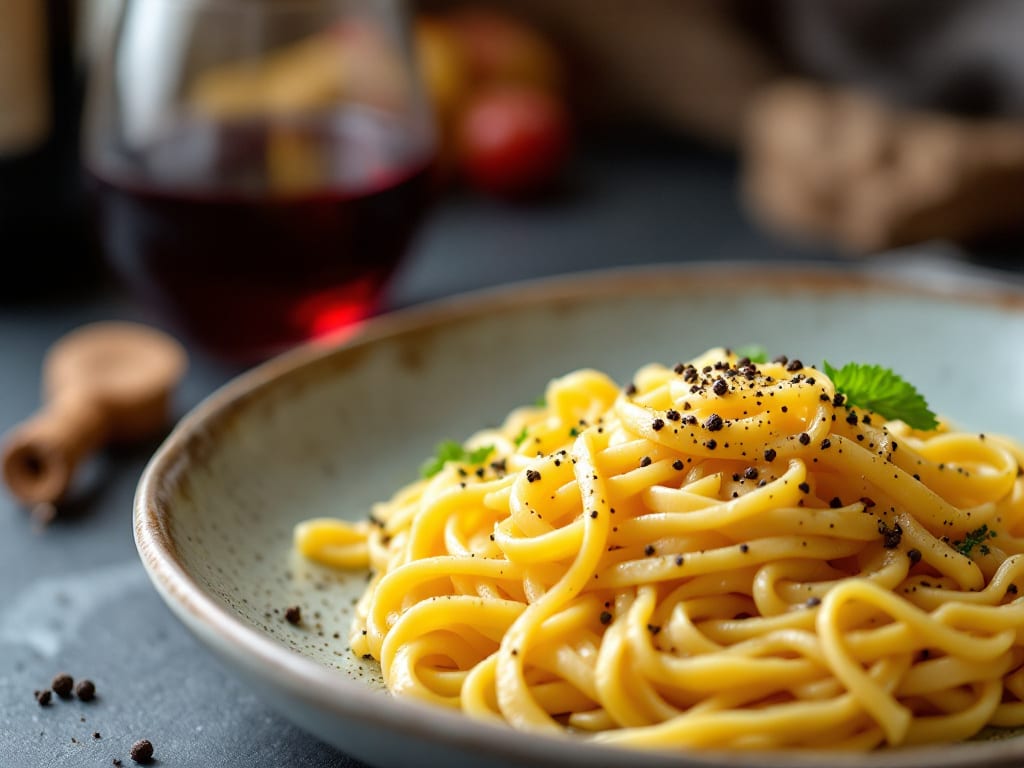
Martha Stewart’s simple pasta recipe proves that restaurant-quality meals don’t require complicated techniques or hours in the kitchen. This one-pot creation combines creamy tomato sauce, tender pasta, and just the right amount of herbs—all while keeping prep under 30 minutes.
The secret lies in simmering everything together, letting flavors meld without fuss, and achieving that signature Martha Stewart touch of effortless elegance.
What makes this recipe truly foolproof is how it balances simplicity with depth. You’ll use pantry staples like canned tomatoes, garlic, and heavy cream to build a rich, velvety sauce that coats every strand of pasta.
The one-pot method means minimal cleanup, and the addition of fresh basil at the end adds that bright, aromatic finish that Martha Stewart dishes are known for. No special ingredients, no advanced skills—just a dish that feels like a homemade masterpiece.
By the time you serve this pasta, you’ll have a creamy, comforting meal that’s ready in one pot, with no separate sauce to make. The sauce clings to the pasta perfectly, and the herbs infuse just enough to elevate the flavors without overpowering them.
It’s the kind of dish that’s ideal for weeknight dinners but still feels special enough for company—exactly the balance Martha Stewart excels at.
Serve it with a sprinkle of grated Parmesan and a side salad for a complete meal. The beauty of this recipe is its versatility—add sautéed shrimp or chicken for extra protein, or keep it vegetarian for a lighter option.
Let’s get cooking with this no-fuss, one-pot pasta that delivers big on flavor.
Ingredients for martha stewart simple pasta
Pantry staples meet Martha Stewart magic in this one-pot pasta masterpiece.
| Ingredient | Amount | Notes |
|---|---|---|
| Pasta (Fettuccine) 🍝 | 12 oz | Dry, medium width preferred |
| Canned Crushed Tomatoes 🍅 | 15 oz | San Marzano preferred, no salt added |
| Heavy Cream 🥛 | 1 cup | Full-fat for creaminess |
| Garlic Cloves 🧄 | 4 cloves | Fresh, peeled, minced |
| Yellow Onion 🧅 | 1 whole | Medium size, diced |
| Butter 🧈 | 4 tbsp | Unsalted, cubed |
| Fresh Basil Leaves 🌿 | ½ cup | Packed, chopped |
| Parmesan Cheese 🧀 | ½ cup | Freshly grated |
| Salt 🧂 | 1 ½ tsp | Kosher or sea salt |
| Black Pepper 🌶️ | ½ tsp | Freshly ground |
| Olive Oil 🫒 | 2 tbsp | Extra-virgin for cooking |
| Red Pepper Flakes 🌶️ | ¼ tsp | Optional for heat |
The crushed tomatoes are the foundation—San Marzano is ideal, but any no-salt-added canned tomatoes work. Trader Joe’s and Whole Foods carry excellent brands, but the grocery store’s basic option is fine if you’re in a pinch. Fresh basil elevates the dish, but dried oregano at one-third the amount works if you’re missing it. The Parmesan should be freshly grated from a block; pre-grated cheese lacks the same depth of flavor. For the pasta, fettuccine is traditional, but any medium-width pasta will work equally well.
No heavy cream? Half-and-half or whole milk creates a lighter sauce, though it won’t be as rich. Short on garlic? Garlic powder at half the amount is a decent substitute, but fresh is always better. The butter adds richness, but olive oil works in a pinch if you’re watching fat content. For extra depth, a splash of red wine (about 2 tbsp) can be simmered with the tomatoes. If you’re adding protein, chicken or shrimp cooks in 3-4 minutes—just toss it in during the last few minutes of cooking.
This pasta reheats beautifully—simply add a splash of water or milk to loosen it up. Keeps in the fridge for 3-4 days and freezes for up to 3 months. For freezing, cool the pasta completely first to prevent ice crystals. I always double the recipe and freeze half—perfect for lazy weeknights. The sauce gets even better the next day as flavors meld together, so leftovers are a must.
Why You’ll Love This Recipe
- Pantry Powerhouse: No fresh herbs? No problem. The crushed tomatoes and heavy cream base pack enough depth that you’ll swear in garlic and basil—even if you’re just using what’s already there.
- Weeknight Magic: One pot, five ingredients, 20 minutes. That’s all it takes to go from “what’s for dinner?” to “this is actually good” while still getting the kids’ homework signed.
- Leftovers That Win: The sauce only gets richer overnight. Reheat a portion for lunch, and suddenly you’ve got a meal that feels fancy without the effort—especially when you add a sprinkle of Parmesan.
- Budget-Friendly Luxury: This tastes like a restaurant dish but costs less than takeout. Heavy cream makes it feel indulgent, while canned tomatoes and onion keep it simple—no fancy shopping required.
Step-by-step instructions for Martha Stewart’s simple pasta recipe
This one-pot method delivers rich, creamy pasta with minimal effort and maximum flavor.
Sauté Onion and Garlic in Olive Oil
Heat the 2 tablespoons olive oil in a large, deep skillet over medium heat. Add the 1 whole yellow onion, diced into small pieces, and cook for 5-6 minutes until softened and translucent. You’ll see the edges begin to turn golden—that’s your signal to add the 4 cloves garlic cloves, minced.
Cook the garlic for 30 seconds until fragrant, stirring constantly to prevent burning. The aroma should fill your kitchen—this is where the foundation of your sauce begins. If the garlic starts to brown too quickly, reduce the heat slightly. Here’s the thing—properly cooked garlic transforms from raw to sweet and aromatic, making all the difference in the final dish.
Add Butter and Crushed Tomatoes
Increase the heat to medium-high and add the 4 tablespoons butter, cubed. Let it melt completely, about 1 minute, until it foams and turns golden. This butter will create a luxurious base for your sauce.
Pour in the 15 ounces canned crushed tomatoes and stir well to combine. Add the 1.5 teaspoons salt and 0.5 teaspoon black pepper at this stage. Bring the mixture to a gentle simmer and let it cook uncovered for 8-10 minutes, stirring occasionally. You’re looking for the tomatoes to break down slightly and the mixture to thicken just a bit—this builds the tomato flavor that will carry through your dish.
Cook the Pasta Directly in the Sauce
Add the 12 ounces pasta (fettuccine) to the skillet along with 2 cups of water (or enough to cover the pasta by about 1 inch). Stir immediately to prevent sticking. The pasta will begin cooking in the tomato mixture, absorbing those rich flavors as it cooks.
Bring the mixture to a gentle boil, then reduce heat to medium-low. Cook the pasta for 10-12 minutes, stirring occasionally, until al dente. You’ll know it’s ready when you can slide a fork through easily but still feel a slight resistance. The pasta should be tender but with a bite—overcooking leads to mushy noodles. If the mixture gets too dry during cooking, add ½ cup hot water to maintain the proper consistency.
Finish with Cream and Cheese
Once the pasta is al dente, reduce the heat to low and stir in the 1 cup heavy cream. Let it simmer gently for 2-3 minutes until the sauce begins to thicken. The cream should coat the back of a spoon, creating that signature velvety texture.
Add the 0.5 cup freshly grated parmesan cheese and the 0.25 teaspoon red pepper flakes (if using). Stir until the cheese melts completely and the sauce becomes smooth and luxurious. The red pepper flakes will add a subtle heat that balances the richness. Taste and adjust seasoning if needed—this is your chance to perfect the flavor before serving.
Garnish and Serve Immediately
Remove the skillet from heat and stir in the 0.5 cup chopped fresh basil leaves. The basil will add a bright, fresh contrast to the rich tomato and cream sauce. Let the pasta rest for 1-2 minutes to allow the flavors to meld together.
Serve immediately while hot. The pasta should be coated in a glossy, creamy sauce with visible strands of fettuccine. Each bite should deliver a perfect balance of tomato richness, creamy texture, and fresh basil brightness. This one-pot method ensures you’ll have minimal cleanup and maximum flavor—just like Martha Stewart’s kitchen.
Pro Tips For Making Martha Stewart Simple Pasta
- Sweat the Onion First: I used to toss raw onion into the crushed tomatoes and wonder why the flavor felt flat. Instead, cook the diced onion in a dry pan over medium-high heat for 4-5 minutes until it’s soft and just starting to caramelize—no oil needed. This builds depth before the tomatoes even join.
- Salt the Pasta Water Hard: The recipe probably says “well-salted,” but trust me, it needs to taste like the ocean. Use about 1.5 tablespoons of salt per 4 quarts of water (or more if you’re using a smaller pot). Under-salted pasta water ruins the balance of this creamy tomato dish—every bite should taste like the sauce clung to it.
- Simmer the Sauce Low: After adding the heavy cream, resist the urge to blast it with heat. Let the sauce simmer gently for at least 5 minutes—this lets the flavors meld instead of separating or curdling. If it looks too thick, add a splash of pasta water (saved from cooking!) to loosen it up.
- Toast the Garlic Lightly: Raw garlic in heavy cream sauce can taste harsh. Sauté the minced garlic in the same pan as the onion until it’s just golden (about 30 seconds)—not browned, just perfumed. This makes the whole dish smell like a restaurant kitchen.
Serving suggestions for leftovers
Classic Garnish Finishes
Freshly chopped basil leaves are non-negotiable—toss them in just before serving to maintain their vibrant color and bright flavor. I like to use 10-12 leaves per serving, torn by hand rather than chopped, for that signature Martha Stewart look.
For extra elegance, sprinkle with freshly grated Parmesan right from the block using a microplane—it makes all the difference in texture and presentation. 🌿
Protein Additions
For a heartier meal, add 6 ounces cooked shrimp or 8 ounces diced chicken breast during the final 3 minutes of cooking. The protein will absorb the creamy sauce beautifully. I recommend large shrimp (21/25 count) for best texture, or boneless, skinless chicken thighs if you prefer more flavor.
For a vegetarian option, stir in ½ cup roasted cherry tomatoes during the last minute to add freshness and color.
Side Dish Pairings
A simple arugula salad with lemon vinaigrette cuts through the richness perfectly. Toss 4 cups baby arugula with 2 tablespoons olive oil, 1 tablespoon lemon juice, ½ teaspoon Dijon mustard, and a pinch of salt.
For a heartier option, serve with garlic bread made from a baguette brushed with 2 tablespoons olive oil and toasted with 3 minced garlic cloves until golden. 🥗
Wine and Beverage Pairings
A crisp Pinot Grigio from Italy complements the dish beautifully—its bright acidity balances the creaminess. For red wine lovers, a light Chianti adds earthy notes that pair well with the tomato sauce.
Non-alcoholic options? A sparkling Italian sangria with lemon and orange slices provides refreshing contrast. Serve with iced tea or sparkling water with a lemon wedge if you prefer something lighter.
Presentation Tips
Use a large, shallow serving dish to showcase the pasta’s creamy sauce and visible strands. I like to arrange the pasta in a circular pattern on the plate, then drizzle with a little extra sauce and a sprinkle of freshly cracked black pepper.
For an extra touch, add a few edible flowers (like nasturtiums) if you’re feeling fancy. The key is to make it look effortless—just like Martha would serve it.
Leftovers Strategy
This pasta reheats beautifully—simply add 2 tablespoons water or milk per serving and warm gently over medium-low heat for 3-4 minutes, stirring occasionally. For best results, store leftovers in an airtight container and reheat only once.
I always double the recipe because the flavors actually improve the next day as the sauce thickens further. 💡
Nutrition facts
Frequently asked questions
Can I use whole tomatoes instead of crushed?
Simply crush 2 large whole tomatoes with your hands or a fork before adding them to the skillet. For best results, remove the seeds and chop the tomatoes into small pieces first. This method gives you more control over texture and prevents excessive water release during cooking.
What if I don’t have heavy cream?
No problem! Substitute with ½ cup whole milk plus ½ cup half-and-half for a lighter texture, or use 1 cup whole milk if that’s all you have. The sauce will be less rich but still delicious. For extra creaminess, stir in 1 tablespoon cornstarch mixed with 1 tablespoon cold water at the end to thicken it slightly.
How do I prevent the pasta from getting mushy?
Always cook the pasta al dente—about 1 minute less than the package instructions suggest. Stir frequently during cooking and avoid overcrowding the pan. If the sauce gets too thick, add ½ cup hot water or broth instead of letting it dry out completely. The key is maintaining a gentle simmer rather than a rolling boil.
Can I make this ahead of time?
Yes! This dish actually tastes better the next day as the flavors meld. Let it cool completely, then refrigerate in an airtight container for up to 3 days. To reheat, add 2 tablespoons water or milk per serving and warm gently on low heat for 3-4 minutes, stirring often. The sauce will thicken further and develop deeper flavor.
What’s the best pasta shape for this recipe?
Fettuccine is ideal because its flat shape holds the creamy sauce beautifully, but any medium-width pasta works—try pappardelle, tagliatelle, or linguine. Avoid small shapes like penne or farfalle, as they won’t coat as well. For extra texture, use rigatoni or penne rigate—the ridges catch the sauce perfectly.

- 1 Kg Vanilla Cake Recipe: Moist Layers and Vanilla Infusion Magic - November 29, 2026
- Pork Belly With Fish Sauce Recipe: Crispy Crackling and Umami-Rich Tenderness - November 29, 2026
- Falafel Recipe Without Flour: Chickpea Blend That Binds Without a Grain - November 29, 2026