
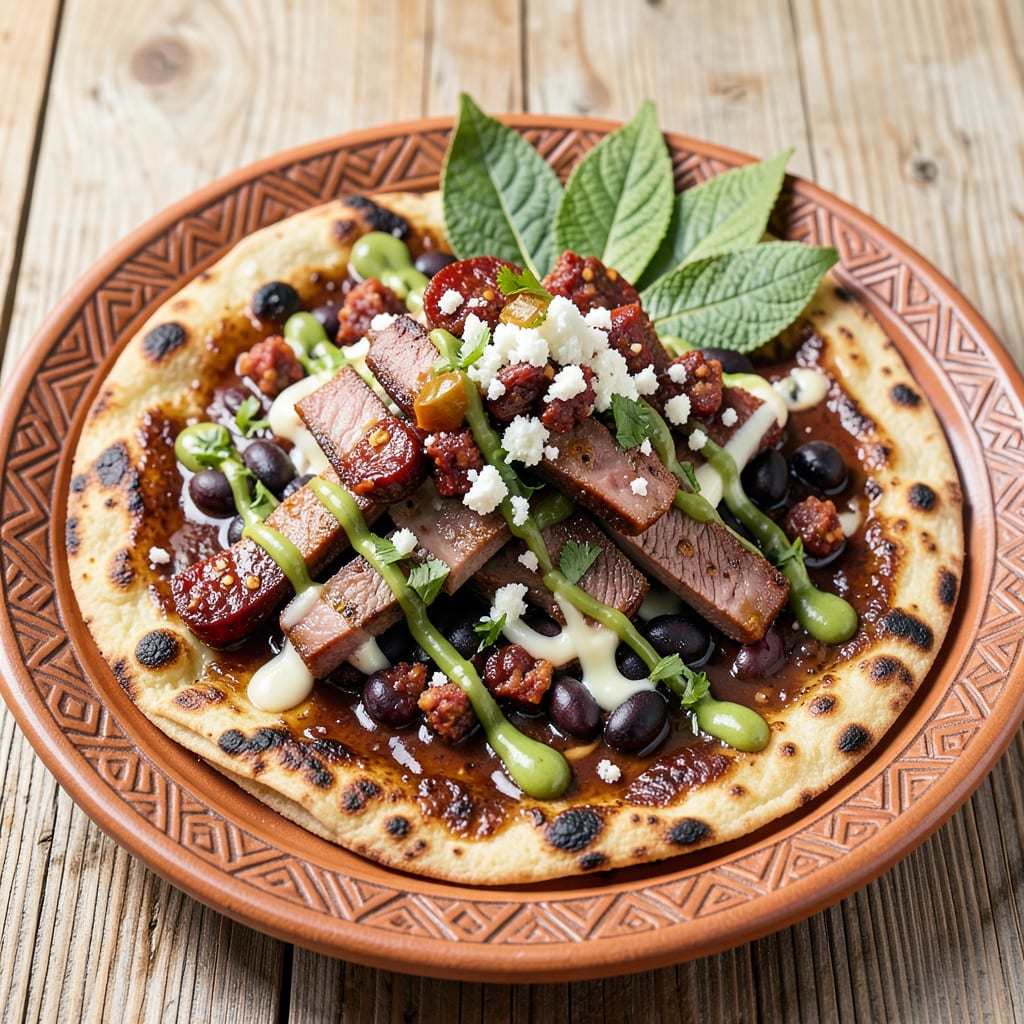
Oaxaca cheese is made by stretching fresh curds in hot whey until smooth and elastic, then shaping into balls or braids. Use whole milk, rennet, and citric acid for authentic flavor and meltable texture.
This traditional Mexican cheese stands out for its delicate, buttery profile and exceptional meltability—qualities that come from the pasta filata technique. The process transforms simple ingredients into something extraordinary by carefully controlling acidity and heat. I’ve found that the key to success lies in maintaining precise temperatures during stretching, which develops the cheese’s signature silky strands. 🔥
What many don’t realize is that Oaxaca cheese shares roots with Italian mozzarella but adapts uniquely to local ingredients and preferences. The use of whole milk ensures richness, while the braided shape isn’t just decorative—it helps preserve moisture and texture. This balance of technique and tradition makes it a staple in Mexican cuisine, from quesadillas to tlayudas.
💡 In This Article
- The Science Behind Oaxaca Cheese’s Signature Stretch
- Essential Tools and Ingredients for Homemade Oaxaca Cheese
The Science Behind Oaxaca Cheese’s Signature Stretch
The magic of Oaxaca cheese lies in the pasta filata method, where fresh curds are submerged in 170-180°F whey. This heat causes the protein strands (primarily casein) to unravel and realign into parallel fibers, creating that iconic stretchy texture.
The process is similar to mozzarella, but Oaxaca uses a slightly lower acidity level (pH ~5.2 vs mozzarella’s 5.0), resulting in a softer, more pliable cheese that melts like a dream. 🔥
Temperature control is everything. If the whey is too cool (below 165°F), the curds won’t stretch properly—they’ll crumble. Too hot (above 190°F), and the proteins over-denature, turning the cheese rubbery.
The whey itself isn’t just a heating medium; it contains residual lactose and milk fats that infuse the cheese with a subtle sweetness and buttery richness during stretching. This is why authentic Oaxaca has a milder, more delicate flavor than its Italian cousin.
What most people overlook is the role of citric acid in the initial curd formation. It lowers the milk’s pH to 4.6-4.8, creating a finer, more uniform curd structure that stretches smoothly. Compare this to mozzarella, which often uses lactic acid for a slightly tangier profile.
The stretching process also expels excess moisture, concentrating the fat content to about 22-25%—perfect for that creamy yet firm bite.
The braiding isn’t just traditional—it’s functional. By twisting the cheese into ropes and braiding, you create air pockets that prevent the strands from fusing together. This maintains the cheese’s signature “pull” when melted. 💫 Pro tip: Stretch the curds until they’re translucent at the edges (like thin taffy) for the best texture.
Overworking makes it tough; underworking leaves it grainy.
Here’s where Oaxaca diverges from mozzarella: the aging (or lack thereof). While mozzarella is often eaten fresh, Oaxaca is typically brined for 4-12 hours in a 10% salt solution, which firms up the exterior while keeping the interior supple.
This step also extends shelf life without sacrificing meltability—a crucial difference for its use in quesadillas and tlayudas.
- Protein realignment: Heat + acidity transform casein into elastic strands
- Fat distribution: 22-25% fat creates creaminess without greasiness
- Moisture control: Stretching expels water while retaining just enough for silkiness
The final texture should spring back slightly when pressed—like a firm jelly. If it bounces like a rubber ball, you’ve over-stretched; if it oozes, it needs more acid or heat. Mastering this balance is what separates good Oaxaca from the extraordinary. ✨

- BBQ Sausage Recipe Oven: Smoky Depth Without the Grill - September 28, 2026
- BBQ Chicken Bowl Recipe Rice: Smoky Sweetness Over Fluffy Grains - September 28, 2026
- Beef Cutlet Recipe Ideas: Crispy Breaded Patties With Bold Seasonings - September 28, 2026