
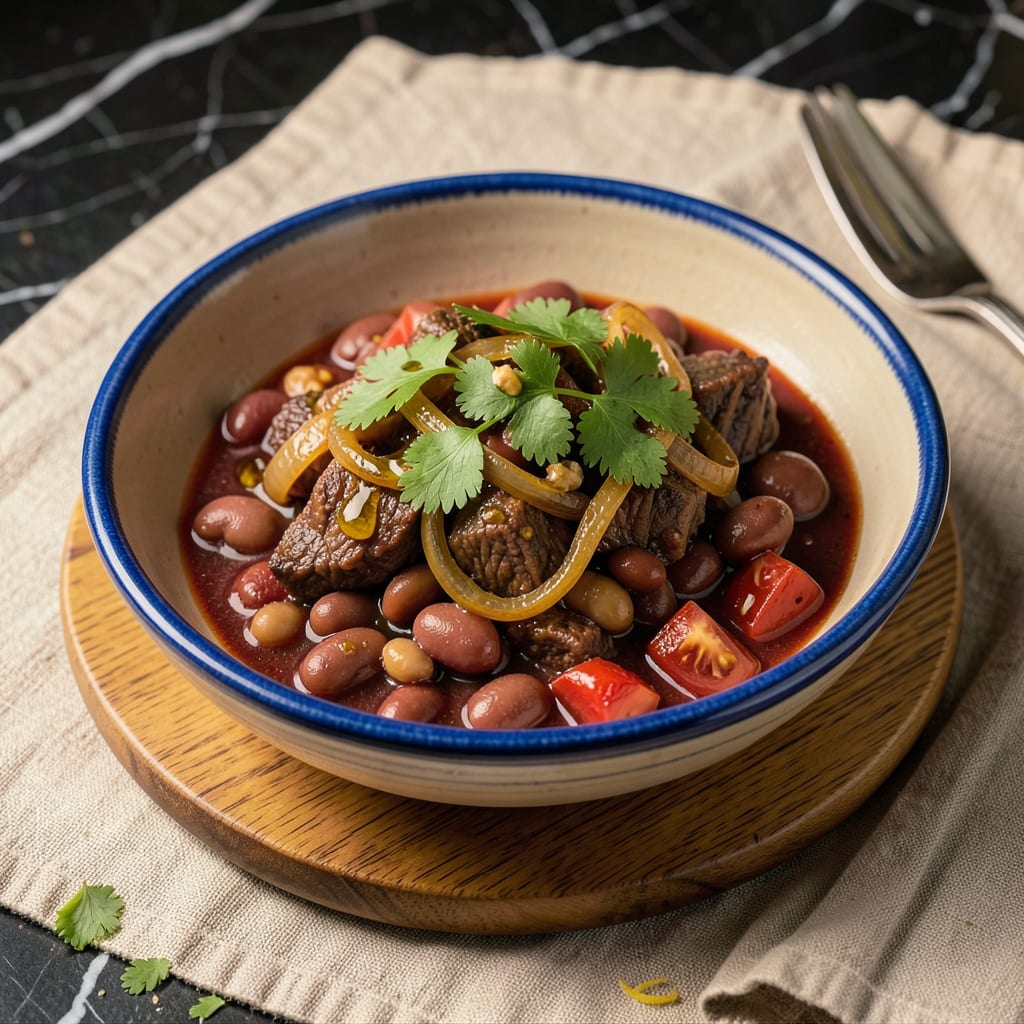
Pesro is a traditional Filipino fermented rice dish made with cooked white rice, salt, and sometimes yeast or old pesro as a starter. The mixture ferments for 2-3 days, developing a tangy, slightly sour flavor perfect for soups or stews.
This fermented staple plays a crucial role in Filipino cuisine as a natural souring agent, much like how vinegar or tamarind functions in other cultures. The fermentation process creates lactic acid, which not only preserves the rice but also enhances its digestive benefits. I’ve found that the flavor intensity varies based on fermentation time—shorter periods yield milder tang, while extended fermentation deepens the sour notes. 🔥
What makes pesro particularly special is its versatility in cooking. It’s commonly used to balance rich, fatty dishes or to add complexity to broth-based recipes. The traditional method of using a small portion of previous batches as a starter maintains consistency in flavor across generations, similar to how sourdough starters work in bread-making. ✨
💡 In This Article
- How Fermentation Transforms Pesro’s Flavor and Texture
- Using Pesro in Classic Filipino Dishes and Storage Tips
How Fermentation Transforms Pesro’s Flavor and Texture
The magic of pesro happens through lactic acid fermentation, where naturally occurring bacteria (primarily Lactobacillus species) convert carbohydrates in rice into lactic acid. This process typically begins within 12-24 hours at room temperature (75-85°F), creating that signature tangy flavor.
The bacteria thrive in the anaerobic environment, breaking down sugars while producing compounds that give pesro its complex, slightly funky aroma. 🔥
Salt concentration plays a crucial role in both flavor and preservation. Traditional recipes use 1-2% salt by weight—enough to inhibit harmful bacteria while allowing beneficial microbes to flourish. Too little salt risks spoilage, while too much can halt fermentation entirely. The ideal balance creates a pH of 3.8-4.2, where lactic acid dominates but doesn’t overpower.
This acidic environment also enhances mineral absorption, making pesro more nutritious than regular rice. ✨
Fermentation time dramatically alters the final product. At 24 hours, you’ll get mild sourness with a soft, porridge-like texture. By 48-72 hours, the flavor intensifies and the rice develops a slightly chewy consistency. Traditional clay pots (like palayok) maintain more consistent moisture levels than modern containers, resulting in better texture.
The porous clay also allows micro-oxygenation, which subtly enhances microbial activity. 💫
Temperature fluctuations can make or break your batch. Below 70°F, fermentation slows significantly, while above 90°F risks developing off-flavors. I’ve found that placing the container near (but not on) a warm stove maintains the sweet spot.
The starter culture—whether from previous pesro or commercial yeast—determines the dominant microbial strains, which is why family recipes often have distinct flavor profiles passed down through generations. ⚡
What’s fascinating is how the fermentation process creates natural preservatives. The lactic acid and bacteriocins (protein compounds) produced inhibit mold and pathogenic bacteria, extending shelf life. This is why properly made pesro can last 5-7 days refrigerated without spoiling.
The transformation from bland cooked rice to a complex, umami-rich ingredient showcases how simple ingredients can become extraordinary through microbial alchemy. 🌟
For best results, use short-grain white rice—its higher starch content feeds the bacteria more effectively than long-grain varieties. The starch also contributes to the final creamy texture. Some cooks add a pinch of sugar at the start to jumpstart fermentation, though traditional methods rely solely on the rice’s natural carbohydrates.
The choice between these approaches affects both the timeline and the final flavor balance.

- BBQ Sausage Recipe Oven: Smoky Depth Without the Grill - September 28, 2026
- BBQ Chicken Bowl Recipe Rice: Smoky Sweetness Over Fluffy Grains - September 28, 2026
- Beef Cutlet Recipe Ideas: Crispy Breaded Patties With Bold Seasonings - September 28, 2026