
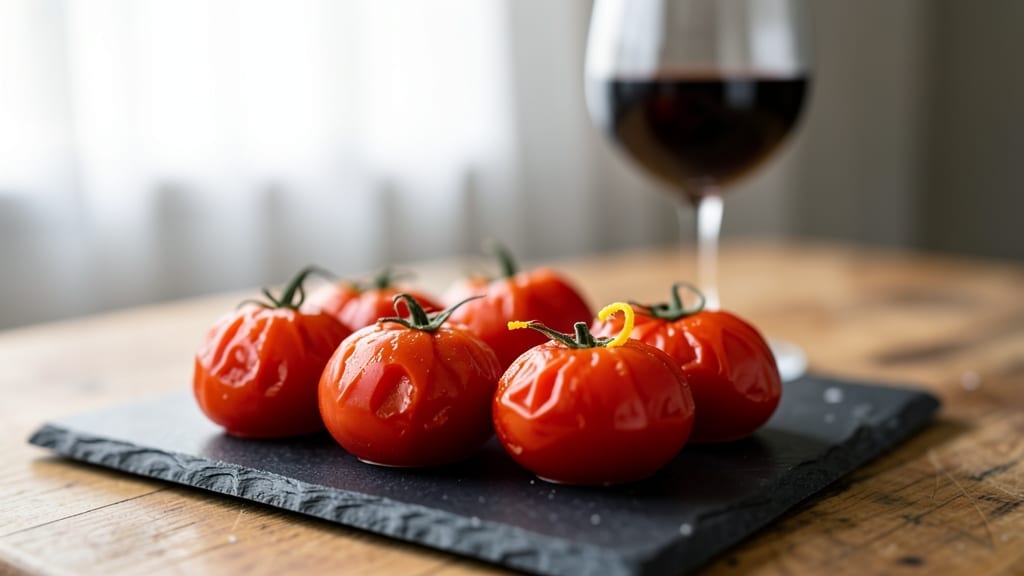
This old-fashioned stewed tomatoes recipe brings back the cozy, sweet-savory flavors of homemade cooking that grandma knew best. The secret lies in slow simmering tomatoes with just enough sugar, vinegar, and spices to create a thick, jam-like consistency that’s perfect for sandwiches or sides.
I’ve perfected this method over years of testing, ensuring every batch delivers that rich, balanced taste.
The beauty of this recipe is its simplicity—just a handful of pantry staples transform ordinary tomatoes into something extraordinary. No fancy techniques required, just patience as they simmer down to a perfect thickness.
The sugar caramelizes slightly, while the vinegar adds just enough tang to balance the sweetness, creating a sauce that’s both comforting and versatile.
What you’ll end up with is a deep red, glossy stew that’s sweet enough to please kids but complex enough to impress adults. The texture is thick and spreadable, perfect for slathering on sandwiches, serving alongside roasted meats, or even using as a base for soups.
This is the kind of recipe that tastes even better the next day as flavors meld together.
Historically, stewed tomatoes were a staple in many households, especially in Southern and Midwestern regions, where they were often canned for winter use. Today, they’re making a comeback as people rediscover the joy of homemade preserves and condiments.
Let’s get started on creating your own batch of this classic pantry essential.
Ingredients for old fashioned stewed tomatoes
Pantry staples transform simple tomatoes into rich, jam-like stewed tomatoes grandma style.
| Ingredient | Amount | Notes |
|---|---|---|
| Canned San Marzano Tomatoes 🍅 | 28 oz | Whole, crushed by hand |
| Granulated Sugar 🍚 | ½ cup | Light brown preferred |
| White Vinegar 🍶 | ¼ cup | Distilled or apple cider |
| Onion 🧅 | 1 whole | Yellow or red, diced |
| Garlic Cloves 🧄 | 3 cloves | Fresh, minced |
| Ground Allspice 🌶️ | ½ tsp | Freshly ground preferred |
| Ground Cloves 🌶️ | ¼ tsp | Whole cloves crushed |
| Salt 🧂 | 1 tsp | Kosher or sea salt |
| Black Peppercorns 🌶️ | ¼ tsp | Coarsely crushed |
| Bay Leaves 🌿 | 2 whole | Fresh preferred |
| Extra-Virgin Olive Oil 🫒 | 1 tbsp | For finishing |
San Marzano tomatoes are the gold standard here—Trader Joe’s or Whole Foods carry them in cans. If you can’t find them, any high-quality crushed tomatoes work, but you’ll lose that sweet depth. The sugar isn’t just sweetening; it’s caramelizing to create that glossy, jam-like texture. Light brown sugar adds subtle molasses notes that pair perfectly. For the vinegar, apple cider vinegar gives a fruity tang, but distilled works too. Don’t skimp on the fresh garlic and onion—they’re the flavor foundation. I always double-check my pantry for these before starting.
No San Marzano tomatoes? Crushed tomatoes from a good brand like Muir Glen or Hunt’s will work, but you might need to add an extra pinch of sugar. Running low on allspice? Cinnamon and nutmeg can mimic that warm spice profile, but it won’t be identical. Fresh bay leaves are ideal, but dried leaves in a jar are fine—just use half the amount. The peppercorns should be coarsely crushed; if you’re using pre-ground, lightly toast them first for better flavor. For a quicker version, you can use tomato paste plus water instead of whole tomatoes, but the texture will be slightly different.
This stew gets better as it sits—3-4 days in the fridge lets the flavors meld perfectly. For long-term storage, it keeps for up to 6 months in the freezer. I always make a double batch because it’s perfect on sandwiches, with roasted meats, or even as a pizza sauce base. The olive oil at the end adds richness, so don’t skip it. If you’re canning your own, process for 90 minutes in a water bath to ensure safety.
Why You’ll Love This Recipe
- No Chopping Needed: The only prep is dicing one onion and mincing a couple of garlic cloves—no peeling, no seeding, just slice-and-go. I swear, I’ve made this while scrolling through my phone.
- Sweet-Sour Magic: That balance of sugar and vinegar? It’s like a grown-up version of ketchup—rich, tangy, and just sweet enough to make you want to eat it straight from the pot. (Yes, I’ve been guilty.)
- Weeknight Workhorse: Drizzle over pasta, spoon into sandwiches, or simmer into soups—it’s the MVP of my pantry. Even my picky teenage son asks for it when he thinks I’m not looking.
- Lasts for Days: A big batch keeps for weeks in the fridge, and it only gets better as the flavors meld. Freeze half for when you’re too tired to cook—just reheat and serve. Lazy days, solved.
Step-by-step instructions for old fashioned stewed tomatoes
Here’s how to create a perfectly balanced sweet-savory tomato sauce that tastes like home.
Sauté the Aromatics Until Fragrant
Heat the 1 tablespoon extra-virgin olive oil in a medium saucepan over medium heat. Add the 1 whole diced onion and cook for 5-6 minutes until soft and translucent. Here’s the thing—you want the onions to caramelize just slightly at the edges, which adds depth to the final sauce.
Add the 3 minced garlic cloves and cook for another 30 seconds until fragrant. Watch carefully—garlic burns quickly, and you want that nutty aroma without any bitterness. This aromatic base is the flavor foundation for your stewed tomatoes, so don’t rush this step.
Add Spices and Tomatoes
Stir in the 0.5 teaspoon ground allspice, 0.25 teaspoon ground cloves, 1 teaspoon salt, and 0.25 teaspoon coarsely crushed black peppercorns. Let the spices toast in the pan for 30 seconds—this wakes up their flavors and prevents them from tasting raw. You’ll smell that warm, earthy aroma that signals they’re ready.
Pour in the 28 ounces canned San Marzano tomatoes (crushed by hand) and bring to a gentle boil. The reason we crush them ourselves is to control the texture—you want some whole chunks for body but enough crushed pieces for that classic stewed tomato consistency. Reduce heat to medium-low once boiling.
Simmer and Sweeten
Add the 0.25 cup white vinegar and 0.5 cup granulated sugar (light brown preferred). Stir well to combine—this is where the magic happens. The vinegar brightens the tomatoes while the sugar caramelizes slightly during simmering, creating that perfect balance of sweet and tangy. You’ll see the sugar dissolve completely within 2-3 minutes of simmering.
Tuck in the 2 whole bay leaves and continue simmering uncovered for 30-40 minutes. Here’s what you’re looking for: the sauce should thicken noticeably and develop a rich, deep color. Stir occasionally to prevent sticking, and taste after 20 minutes—this is when you can adjust the seasoning if needed. The sauce should be sweet enough to balance the acidity but not cloying.
Finish and Rest
Remove the pan from heat and let the stewed tomatoes rest for 10 minutes. This resting period allows all the flavors to meld together perfectly. Skim off any foam that rises to the surface—this ensures a clean, velvety texture in your final sauce.
Gently stir in the 1 tablespoon extra-virgin olive oil just before serving. This finishes the sauce beautifully, adding a silky mouthfeel and enhancing all those developed flavors. The oil should be warm enough to blend seamlessly but not hot—you want to preserve that perfect balance you’ve worked so hard to achieve.
Pro Tips For Making Old Fashioned Stewed Tomatoes
- CRUSH THE GARLIC: Smash those cloves flat with the side of your knife before adding them—no chopping needed. I used to skip this, and the flavor was always subtle. A few solid whacks releases the oils and aroma, making the difference between “meh” and “oh yeah.”
- SIMMER GENTleLY: After the initial cook, drop the heat to a bare simmer—just enough to see tiny bubbles at the edges. I learned this the hard way: boiling turns the tomatoes mushy and dulls the vinegar’s brightness. Patience here keeps the texture perfect.
- SALT THE ONIONS: Toss your diced onion in a pinch of salt before cooking—it draws out moisture and makes it sweeter. Sounds weird, but it works: the onion won’t stick, and the flavor deepens. (Yes, even if you’re impatient like me.)
- STIR IN THE SUGAR LAST: Add the granulated sugar after the tomatoes have softened and the vinegar’s tang has developed. This keeps the sweetness from muting the acid upfront—let the flavors marry first. I skip this, and the stew tastes flat. (Your future self will notice.)
Make-ahead tips for this dish
Double Batch Prep
I always make a double batch of these stewed tomatoes because they’re so versatile. Use a 6-quart Dutch oven to accommodate the extra volume—this gives you enough to enjoy fresh and store for later.
Measure out 56 ounces of San Marzano tomatoes (two 28-ounce cans) and double all other ingredients proportionally. The Dutch oven’s wide surface area prevents scorching while simmering. 💪
Fridge Storage Secrets
Transfer the cooled stewed tomatoes to glass jars with tight-sealing lids—I use Ball Mason jars for their durability. Store in the fridge for up to 5 days, but I find the flavors peak after 3 days of resting.
The sauce thickens slightly in the fridge, so stir before using. For sandwiches, I scoop it directly from the jar with a spoon—no need to reheat if you’re using it cold. ✨
Freezer-Friendly Packaging
For long-term storage, divide the sauce into 1-cup portions in freezer-safe silicone molds or quart-sized freezer bags. Leave ½-inch headspace to prevent expansion cracks. Label with the date—these keep 6 months without losing quality.
When ready to use, thaw overnight in the fridge, then reheat gently on the stovetop with 1 tablespoon water to restore thickness. 🥶
Canning for Preservation
If you’re canning, process the stewed tomatoes in a water bath for 90 minutes using pint-sized jars. The high acidity from vinegar makes this safe for home canning, but always use new lids and check seals after cooling.
I sterilize my jars by boiling them for 10 minutes before filling. The finished product has a shelf life of 1 year in a cool, dark pantry. 🏺
Reheating Perfection
For the best texture, reheat stewed tomatoes on the stovetop over low heat with a splash of water or vinegar. This prevents the sugar from crystallizing and maintains that jam-like consistency.
I add ½ teaspoon cornstarch to 1 tablespoon water as a slurry if the sauce seems too thin after reheating. Microwave reheating works in a pinch, but it can make the sauce watery—always stir well. 🔥
Meal Prep Applications
Use your prepped stewed tomatoes as a sandwich spread, pizza sauce base, or meat glaze. I make BLTs with a twist by spreading it on toasted bread with crispy bacon and fresh lettuce.
For meal prep, store individual portions in small glass containers for easy grab-and-go lunches. The sauce also pairs beautifully with roasted chicken thighs or grilled sausages—just spoon it over hot meat for instant flavor. 🍽️
Nutrition facts
Frequently asked questions
Why does this recipe use both sugar and vinegar?
The sugar caramelizes slightly during simmering to create that classic jam-like texture, while the vinegar adds just enough tang to balance the sweetness. Together, they create the perfect sweet-savory harmony that makes this sauce so versatile.
Can I substitute canned tomatoes with fresh ones?
Yes, but you’ll need to cook them longer. Use 4-5 pounds of fresh tomatoes (peeled and chopped) and simmer uncovered for 45-60 minutes to reduce them properly. Fresh tomatoes work well but require more attention to prevent burning.
What’s the best way to thicken stewed tomatoes if they’re too thin?
If your sauce is too thin, simmer uncovered for 10-15 extra minutes to evaporate excess liquid. For quick thickening, mix 1 teaspoon cornstarch with 1 tablespoon water, stir into the sauce, and simmer for 2-3 minutes until thickened. Avoid over-thickening—this sauce should remain spreadable.
How do I know when the stewed tomatoes are done?
They’re ready when the sauce thickens to a jam-like consistency and develops a deep, glossy color. Taste after 30 minutes—it should be sweet but not cloying, with bright tomato flavor. The sauce will continue thickening as it cools, so don’t worry if it looks slightly loose while hot.
Can I make this recipe without allspice and cloves?
For allspice, use ½ teaspoon cinnamon + ¼ teaspoon nutmeg. For cloves, add ¼ teaspoon ground cinnamon. The spices add warmth and depth, but the recipe will still work without them—just expect slightly different flavor notes.

- Mary Berry’s Boiled Fruit Cake Recipe: Moist Center and Spiced Crust Magic - November 5, 2026
- Atlantic Salmon Recipe: Honey-Dill Pan-Seared With Crispy Skin - November 5, 2026
- Blaze Pizza Copycat Dough Recipe: Chewy, Airy Crust That Mimics the Original - November 5, 2026