
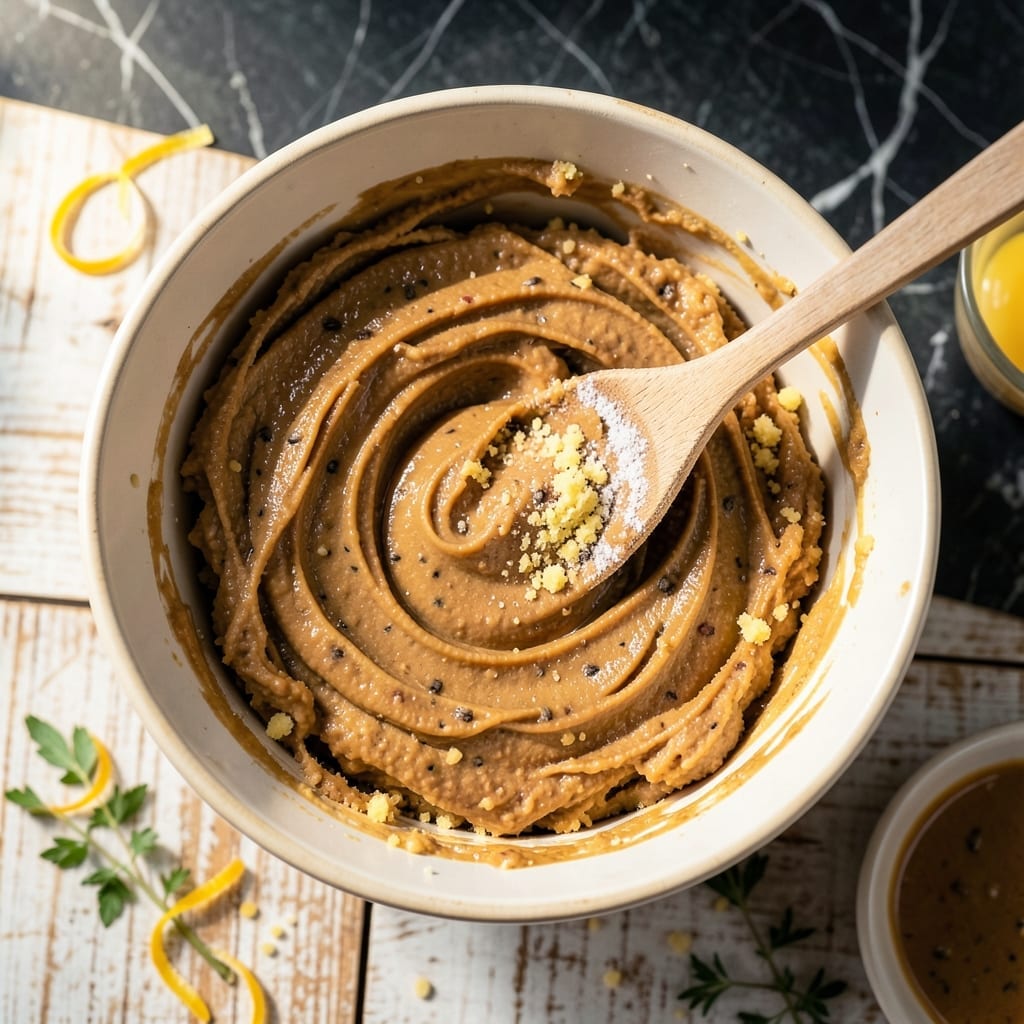
This 3-ingredient peanut butter cookie recipe proves that incredible results don’t require complicated methods. Using cake mix as the base simplifies the process while delivering chewy, bakery-style cookies every time.
The cake mix provides the perfect balance of sweetness and structure, while peanut butter adds rich, nutty depth. You’ll need just 15 minutes of prep before these go into the oven, making them ideal for last-minute cravings.
What emerges is a batch of golden cookies with crackled tops, soft centers, and that classic peanut butter flavor. The texture is perfectly tender, with just the right amount of give when you bite in.
No mixer required—just a bowl, a spoon, and an oven. This is baking made effortless without sacrificing quality.
Ingredients for Peanut Butter Cookie Recipe with Cake Mix
Just five ingredients create these bakery-style peanut butter cookies with cake mix.
| Ingredient | Amount | Notes |
|---|---|---|
| Yellow Cake Mix 🎂 | 1 box | 15.25 oz standard size |
| Creamy Peanut Butter 🥜 | 1 cup | Smooth, not natural |
| Large Eggs 🥚 | 2 whole | Room temperature preferred |
| Granulated Sugar 🍚 | ½ cup | For rolling cookie balls |
| Vanilla Extract 🌿 | 1 tsp | Optional for extra flavor |
The cake mix is doing the heavy lifting here. Betty Crocker or Pillsbury Yellow Cake Mix (15.25 oz) works perfectly—check the label for the weight, as sizes vary. The peanut butter needs to be the creamy kind (not natural or crunchy) for that smooth texture. I grab Jif or Skippy from the grocery store, but store brands work too if that’s what you’ve got.
No yellow cake mix? Vanilla cake mix gets you 90% there, but the cookies might be a touch sweeter. Out of eggs? Flax eggs (1 tbsp ground flax + 3 tbsp water per egg) work in a pinch, though the texture changes slightly. Peanut butter can be swapped for almond butter if you’re feeling fancy (or have allergies). The sugar for rolling isn’t mandatory, but it gives that classic crackle.
The dough keeps in the fridge for 24 hours if you want to bake in batches. Cookies stay fresh in an airtight container for 5 days—that’s if they last that long. Freeze baked cookies for up to 3 months (they’ll lose some chewiness, but still taste great).
Why You’ll Love This Recipe
- One Bowl Wonder: I dump the cake mix, peanut butter, eggs, and sugar in a single bowl—no mixer, no fuss, just a spoon and five minutes.
- That Peanut Butter Punch: The creamy peanut butter and vanilla create this rich, nutty depth that hits just right with the cake mix’s subtle sweetness.
- Bake Sale MVP: These stay soft for days, so I make a double batch for school events or last-minute potlucks.
- Budget-Friendly Batch: A box of cake mix and pantry staples yield dozens of cookies for pennies—honestly, it’s my cheapest crowd-pleaser.
Step-by-Step Instructions for Peanut Butter Cookies With Cake Mix
This method keeps things simple while delivering bakery-quality results every time.
Step 1: Mix the Cookie Dough Base
In a large mixing bowl, combine the 1 box Yellow Cake Mix, 1 cup Creamy Peanut Butter, and 2 whole Large Eggs. I use a wooden spoon for this step because the mixture starts thick and gets even denser as you work it.
You’ll notice the dough comes together quickly—it should be thick and slightly sticky. If it seems too dry, resist the urge to add liquid. The natural oils in the peanut butter will soften as it sits. Mix just until no dry cake mix streaks remain, about 1-2 minutes of vigorous stirring.
Here’s the thing—this dough is forgiving. Whether you use a stand mixer with the paddle attachment or good old elbow grease, you’ll end up with a consistent, workable dough that forms a cohesive ball when pressed together.
Step 2: Incorporate Vanilla for Extra Flavor
Add the 1 tsp Vanilla Extract to the dough. I know it seems like a small amount, but it makes a noticeable difference in the depth of flavor. Fold it in thoroughly with your spoon or spatula until evenly distributed.
The vanilla enhances the peanut butter’s nuttiness without overpowering it. This step is optional per the ingredients list, but I always include it. The dough will seem slightly glossier after adding the extract, which is normal.
Step 3: Form and Sugar-Coat the Cookie Balls
Using your hands, roll the dough into 1-inch balls. The dough will be tacky, so I keep my hands lightly damp with water to prevent sticking. You should get about 24 balls from this batch, which works out perfectly for 4 servings.
Place the 0.5 cup Granulated Sugar in a shallow bowl. Roll each dough ball in the sugar until fully coated. This creates that classic crackly, sweet exterior that contrasts beautifully with the rich, peanut buttery interior.
Don’t skip the sugar coating—it’s what gives these cookies their signature look and that first crunch before giving way to the soft center.
Step 4: Bake to Perfect Chewiness
Preheat your oven to 350°F and line baking sheets with parchment paper. Place the sugar-coated dough balls 2 inches apart on the prepared sheets. They won’t spread much, but giving them space ensures even baking.
Bake for 10-12 minutes until the edges are just set and the tops look slightly cracked. The centers might still look soft—that’s exactly what you want for that coveted chewy texture. They’ll continue setting as they cool on the baking sheet.
Let them cool on the pan for 5 minutes before transferring to a wire rack. The cookies will firm up as they cool, but they’re best enjoyed slightly warm when the peanut butter flavor is at its most intense.
Pro Tips For Making Peanut Butter Cookie Recipe With Cake Mix
- Chill the Dough: After mixing, refrigerate the dough for 30 minutes—I learned this the hard way when my first batch spread into one giant cookie. The cake mix needs this time to hydrate fully.
- Use Natural Peanut Butter: Skip the regular stuff and go for natural creamy peanut butter. It’s oilier, which makes a real difference in texture, and the flavor shines through the cake mix base.
- Underbake Slightly: Pull the cookies when the edges are just set but the centers still look soft. After burning three batches, I finally figured out they firm up as they cool on the tray.
- Add Extra Peanut Butter: Sounds weird, but it works: mix in an extra ¼ cup of peanut butter beyond the recipe’s call. The cake mix can handle it, and the peanut flavor actually changes the outcome for the better.
Troubleshooting This Dish
Dough Too Dry
If your dough feels crumbly, the peanut butter may be too thick. Add 1-2 tbsp milk and mix until it holds together. I’ve found this usually fixes the issue without making the dough too sticky. 💡
Cookies Spread Too Much
If your cookies flatten excessively, it’s likely the dough was too warm. Chill it for 30 minutes before baking. Also, ensure your oven is preheated to 350°F for consistent results.
No Crackle Top
If your cookies lack the signature crackle, press the sugar into the dough balls more firmly. The sugar needs to caramelize slightly during baking to create that effect.
Cookies Too Cakey
Overmixing the dough can add too much air, leading to a cakey texture. Mix just until combined, about 1-2 minutes. Also, avoid using natural peanut butter, as it can alter the texture.
Uneven Baking
Ensure your oven rack is centered and rotate pans halfway through baking. If your oven has hot spots, bake one sheet at a time. I always use parchment paper for even heat distribution.
Cookies Too Sweet
If the cookies are overly sweet, reduce the sugar for rolling to ¼ cup. You can also use unsweetened peanut butter, though this may slightly change the texture. 🍪
Nutrition Facts
Frequently Asked Questions
Can I use a different cake mix flavor?
Vanilla or white cake mix work well, though yellow gives the classic flavor. Avoid chocolate as it competes with peanut butter.
Why do my cookies stay soft after cooling?
They’re meant to be chewy! For firmer cookies, bake 1-2 minutes longer. Let them cool completely—the texture sets as they sit.
Can I make these gluten-free?
Yes! Use a gluten-free yellow cake mix. The texture may differ slightly, but they’ll still taste delicious.
Do I need to refrigerate the dough first?
Not required, but chilling for 30 minutes helps prevent spreading. It also makes the dough easier to handle.

- Pina Colada Dip Recipe Red Lobster: Tropical Creaminess With Toasted Coconut - October 12, 2026
- Pickled Sweet Cherry Peppers Recipe Canning: Tangy Heat for Pantry Staples - October 12, 2026
- Peppercorn Sauce Recipe Vegan: Rich Umami Depth Without Cream - October 12, 2026