
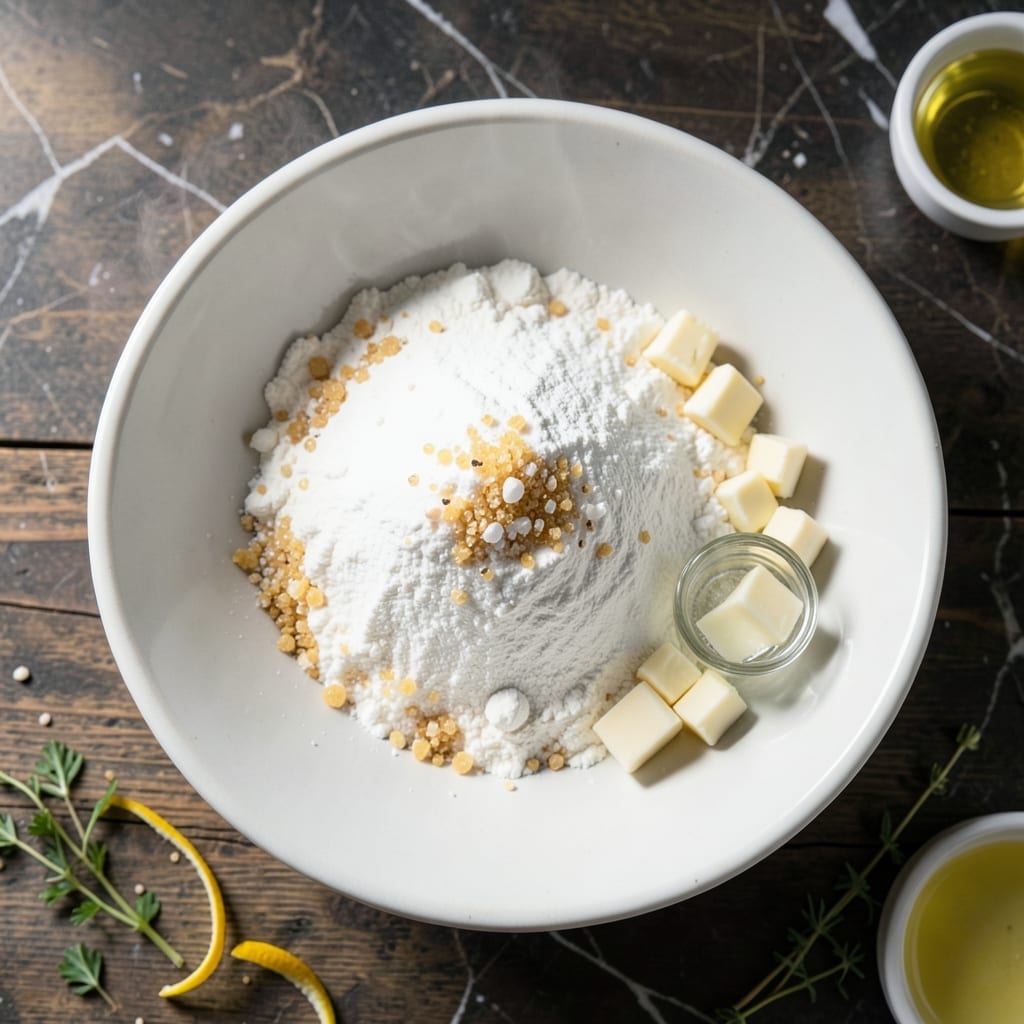
Achieving flaky, buttery pie crust requires precision, and measuring in grams removes all guesswork from the process. This method delivers consistent, professional-quality results every time, with layers that shatter at the slightest touch.
Cold ingredients and minimal handling are key to preventing gluten development, which would make the crust tough. The gram measurements ensure the perfect ratio of flour to fat, creating that ideal tender yet sturdy texture.
What you get is a golden, flaky crust that holds its shape when baked yet melts in your mouth. The precise measurements mean no more dry, crumbly dough or soggy bottoms—just perfect pastry.
Use this as the foundation for fruit pies, custards, or quiches. The recipe scales easily for any pie dish size.
Ingredients for Pie Crust Recipe Grams
Precision in grams ensures flawless flaky layers every single time.
| Ingredient | Amount | Notes |
|---|---|---|
| All-Purpose Flour 🌾 | 250 g | Bleached or unbleached, sifted |
| Unsalted Butter 🧈 | 170 g | Very cold, cubed into 1/2-inch pieces |
| Ice Water 💧 | 60 ml | Plus extra as needed |
| Granulated Sugar 🍚 | 10 g | Optional for sweet crusts |
| Fine Sea Salt 🧂 | 5 g | Diamond Crystal preferred |
| White Vinegar 🍋 | 5 ml | Or fresh lemon juice |
| Vanilla Extract 🌿 | 2 ½ ml | Optional for sweet applications |
The butter is non-negotiable here. European-style unsalted butter (like Plugrá or Kerrygold) has higher fat content, which creates superior flakiness. Ensure it’s ice-cold—straight from the fridge, cubed immediately. The flour should be all-purpose (King Arthur or Gold Medal are reliable), sifted to remove lumps and aerate. Weighing in grams eliminates volume discrepancies that can throw off your ratios.
No unsalted butter? Use salted butter and omit the salt. For a vegan version, substitute with cold coconut oil (150g) plus 20g vegan butter for best texture. The vinegar tenderizes the gluten—apple cider or distilled white work too. If making a sweet crust, the sugar can be omitted for savory applications. Always use the coldest water possible.
The dough can rest in the refrigerator for up to 2 days or freeze for 3 months. Wrap tightly in plastic to prevent drying. For best results, let it temper at room temperature for 10-15 minutes before rolling. This prevents cracking and ensures even thickness.
Why You’ll Love This Recipe
- Five Ingredients: I love that it only needs flour, butter, ice water, sugar, and salt—nothing fancy, just pantry staples.
- Buttery Perfection: The cold butter creates the flakiest layers with that melt-in-your-mouth richness I crave.
- Endless Possibilities: Sweet pies, savory quiches—this crust works for both, and I’ve yet to find a filling it doesn’t complement.
- Freezer Friendly: I always double the batch and freeze the extra. Honestly, it’s my shortcut for last-minute desserts.
Step-by-Step Instructions for Pie Crust
Achieve perfect flakiness with this precise method, tested for consistent results every time.
Step 1: Combine Dry Ingredients for Even Distribution
In a large mixing bowl, whisk together the 250 g All-Purpose Flour, 10 g Granulated Sugar, and 5 g Fine Sea Salt until thoroughly combined. This ensures the salt and sugar are evenly dispersed throughout the flour, which prevents hot spots of seasoning in your finished crust.
I sift the flour first if it appears lumpy—this aerates the flour and creates a lighter texture. The sugar adds subtle sweetness for dessert pies, while the salt enhances all the flavors. For savory applications, you may omit the sugar entirely.
Step 2: Cut in Cold Butter for Flaky Layers
Add the 170 g Unsalted Butter (cubed into 1/2-inch pieces and kept very cold) to the dry ingredients. Using a pastry cutter or your fingertips, work the butter into the flour until the mixture resembles coarse crumbs with some pea-sized butter pieces remaining.
Here’s the thing—the key to flaky layers is visible butter pieces. Don’t overwork the mixture; you want distinct butter chunks that will create steam pockets during baking. If your kitchen is warm, briefly chill the bowl between steps to keep the butter firm.
Step 3: Incorporate Liquid Ingredients Minimally
Create a well in the center of the flour-butter mixture. Add the 60 ml Ice Water, 5 ml White Vinegar, and 2.5 ml Vanilla Extract (if using for sweet crusts). The vinegar tenderizes the gluten, while the vanilla adds depth to sweet preparations.
Using a fork, gently mix until the dough just begins to come together. You’ll notice it starts to clump when it’s ready. The dough should look shaggy with some dry bits—this is normal. Overmixing develops gluten, which makes the crust tough rather than flaky.
Step 4: Rest and Chill for Optimal Texture
Turn the dough out onto a lightly floured surface and gently press it into a cohesive ball. Divide into two equal portions (for a double-crust pie) and flatten each into a 1-inch thick disc. Wrap tightly in plastic wrap.
Refrigerate for at least 1 hour (or up to 2 days). This resting period allows the gluten to relax and the butter to firm up, making the dough easier to roll out. The chilled dough also prevents the butter from melting prematurely during rolling and shaping.
Step 5: Roll and Shape for Baking
On a lightly floured surface, roll one disc of dough to a 12-inch circle about 1/8-inch thick. For a perfect transfer, roll the dough around your rolling pin, then unroll it into your pie dish. Press it gently into the bottom and up the sides without stretching.
Trim any excess dough, leaving a 1/2-inch overhang. For a single crust, crimp the edges decoratively. For a double crust, repeat with the second disc and place it over the filling, crimping the edges to seal. Chill the shaped crust for 30 minutes before baking to prevent shrinking.
Pro Tips For Making Pie Crust Recipe Grams
- Chill the Butter: Keep your unsalted butter ice-cold and cut it into 1 cm cubes before mixing—this prevents the fat from melting into the flour, which is what gives you that flaky texture.
- Use Ice Water: Fill a cup with water and ice cubes, then measure from that for the ice water—this keeps the dough cold and stops gluten from overdeveloping.
- Skip Overworking: Mix just until the dough comes together, even if it looks shaggy—I learned this the hard way after my first three crusts turned out tough as cardboard.
- Rest the Dough: Give it a solid 30 minutes in the fridge after shaping, it relaxes the gluten and makes rolling out way easier.
Pro Cooking Tips for This Dish
Keep Butter Ice Cold
This is non-negotiable for flakiness. I cube my 170 g Unsalted Butter straight from the fridge, then return it to chill while prepping other ingredients. Even 5 minutes at room temperature can soften it too much.
Use the Right Tools
A pastry cutter gives perfect pea-sized butter pieces with minimal handling. I love my OXO Good Grips cutter—it’s sturdy and comfortable. If using your fingers, work quickly and avoid pressing butter into the flour.
Minimal Water Addition
Start with exactly 60 ml Ice Water, then add only 1 tsp at a time if needed. Too much water develops gluten. The dough should just come together when pressed—it’ll look shaggy, and that’s perfect. 💧
Chill Between Steps
If your kitchen is warm, pop the bowl in the freezer for 10 minutes between mixing steps. This keeps the butter firm. I also chill my rolling pin for 15 minutes before use to prevent sticking.
Roll Evenly
Use a ruler to check your dough is 1/8-inch thick when rolled. I rotate the dough 90 degrees every few rolls to maintain even thickness. Dust your surface lightly with flour to prevent sticking.
Prevent Shrinking
Always chill your shaped crust for 30 minutes before baking. This relaxes the gluten and firms the butter. For extra insurance, blind bake with pie weights or dried beans at 375°F for 15 minutes. 💪
Nutrition Facts
Frequently Asked Questions
Why use grams instead of cups for pie crust?
Grams provide precision that cups can’t match. 1 cup of flour can weigh 120-150 g depending on how it’s scooped. This difference can make your crust too dry or too sticky.
Can I make this crust without vinegar?
Yes, but the vinegar tenderizes the gluten for a more delicate texture. Skip it if needed, or substitute with 5 ml lemon juice. The flavor difference is minimal.
How do I fix dough that’s too crumbly?
Sprinkle in 1 tsp ice water at a time, mixing gently until it just holds together. Avoid adding too much—overworking develops gluten.
What’s the best way to store unused dough?
Wrap it tightly in plastic and refrigerate for up to 2 days, or freeze for 3 months. Thaw overnight in the fridge before using.

- Potato Candy Recipe 1933: Vintage Peanut Butter Roll Delight - October 30, 2026
- Potato Chip Cookie Recipe With Pecans: Buttery Crunch Meets Nutty Richness - October 30, 2026
- Potato Patty Recipe No Egg: Crispy Edges Without the Binder - October 30, 2026