
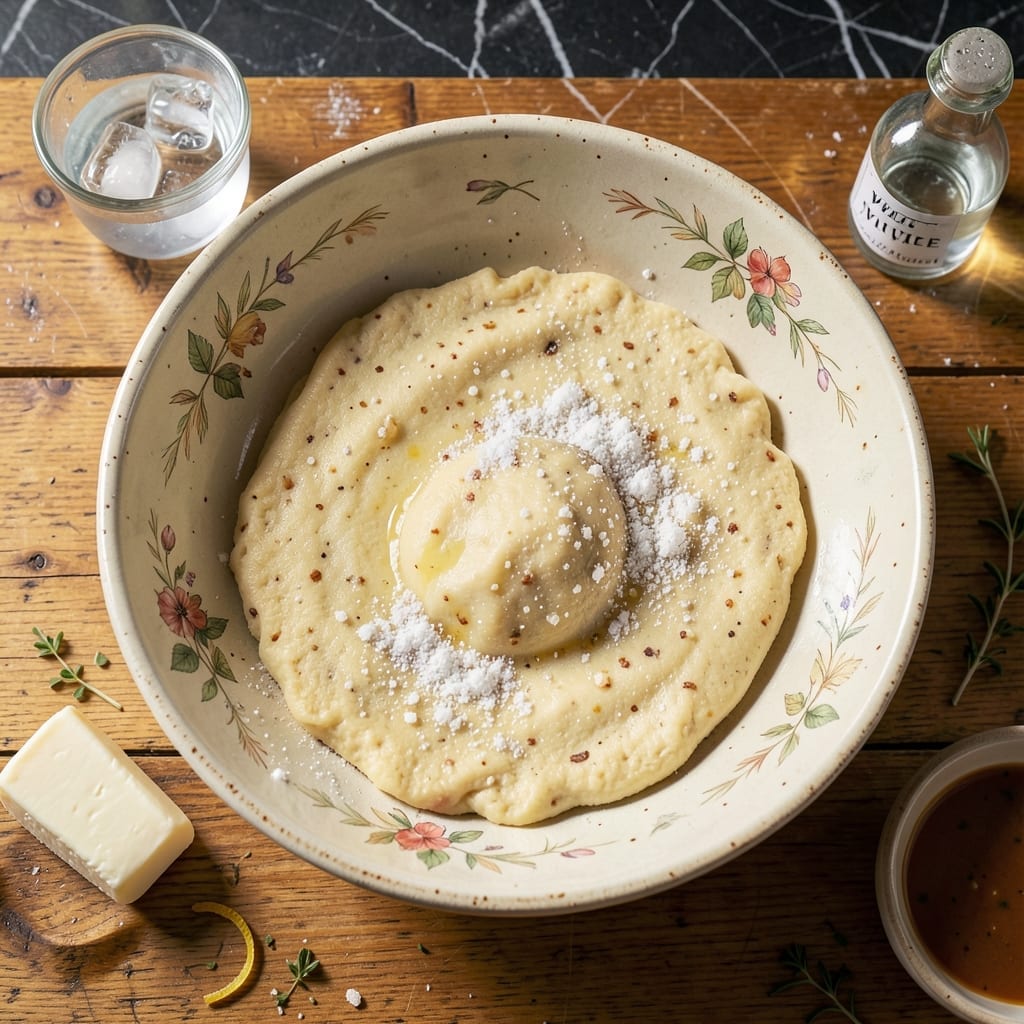
Achieving flaky pie crust doesn’t require complicated steps or special flour blends. This method uses self-rising flour to simplify the process while delivering professional results. The built-in leavening creates lift for perfect layers every time.
The key is handling the dough minimally and keeping ingredients cold. Self-rising flour eliminates the need for separate baking powder, streamlining prep without sacrificing texture. The result is a tender, golden crust that holds its shape beautifully.
With just a few pantry staples and 10 minutes of active prep, you’ll have a crust ready for any filling. The technique works for sweet and savory pies alike, making it a versatile foundation for countless desserts.
No special equipment is required—just a bowl, a fork, and your hands. The dough comes together quickly and bakes to perfect flakiness with a buttery, crisp finish.
Ingredients for Pie Crust Recipe Using Self Rising Flour
Self-rising flour streamlines this flaky crust with just six pantry staples for perfect results.
| Ingredient | Amount | Notes |
|---|---|---|
| Self-Rising Flour 🌾 | 2 ½ cups | All-purpose substitute not recommended |
| Unsalted Butter 🧈 | ¾ cup | Chilled and cubed for flakiness |
| Ice Water 💧 | ⅓ cup | Plus extra as needed |
| Fine Sea Salt 🧂 | ½ tsp | Adjust to taste preference |
| Granulated Sugar 🍚 | 1 tsp | Optional for sweet crusts |
| White Vinegar 🧪 | 1 tsp | Enhances tenderness of dough |
The butter must stay cold—use European-style for higher fat content if available. Land O’Lakes or Plugrá are reliable brands. Self-rising flour is non-negotiable here; the pre-mixed leavening creates the lift that makes this crust special. Store your flour in an airtight container to maintain its potency (the baking powder loses effectiveness over time).
No self-rising flour? All-purpose plus 1.5 tsp baking powder and 0.5 tsp salt per cup works in a pinch. For a richer flavor, substitute half the butter with lard (though this isn’t vegetarian). The vinegar can be omitted, but it does help tenderize. If you’re out of ice water, very cold tap water will do—just work quickly.
The dough can rest in the fridge for up to 2 days or freeze for 3 months. Wrap it tightly in plastic to prevent drying. For best flakiness, let the dough sit at room temperature for 10 minutes before rolling (but don’t let the butter soften).
Why You’ll Love This Recipe
- Five Ingredients: That’s it—just flour, butter, ice water, salt, and a touch of sugar. No fuss, no extra trips to the store.
- Buttery Layers: The cold butter and self-rising flour create flaky, golden layers that shatter with every bite.
- Endless Fillings: Sweet or savory, this crust handles it all—fruit pies, quiches, even pot pies. I’ve used it for all three this week.
- Pantry Staples: Honestly, I always have these ingredients on hand, so pie night can happen on a whim.
Step-by-Step Instructions for Pie Crust Using Self Rising Flour
Here’s the method. Straightforward, tested, works every time.
Step 1: Combine Dry Ingredients and Chill Equipment
In a large mixing bowl, whisk together the 2.5 cups Self-Rising Flour and 0.5 tsp Fine Sea Salt until uniformly combined. If preparing a sweet crust, add the 1 tsp Granulated Sugar at this stage. Place the bowl and your rolling pin in the freezer for 10 minutes to chill.
Chilling prevents the unsalted butter from melting prematurely when it contacts the flour. This temperature control is essential for achieving the flaky layers promised by this technique.
Step 2: Cut in Cold Butter Using the Two-Knife Method
Add the 0.75 cup Unsalted Butter (chilled and cubed) to the flour mixture. Using two knives in a scissor motion, cut the butter into the flour until the pieces are pea-sized. Alternatively, use a pastry cutter for efficiency.
The mixture should resemble coarse crumbs with visible butter pieces. Avoid overworking the dough at this stage—visible butter flecks create the steam pockets that result in flaky layers during baking. The texture should be uneven, not uniform.
Step 3: Incorporate Liquid Ingredients Gradually
Create a well in the center of the flour-butter mixture. Add the 0.33 cup Ice Water and 1 tsp White Vinegar simultaneously. Using a fork, gently toss the dry ingredients into the liquid until the dough just begins to come together.
The vinegar tenderizes the gluten, while the ice water prevents premature development. The dough will appear shaggy and slightly dry—this is correct. If it doesn’t hold when pressed, add ice water 1 tablespoon at a time until it just coheres.
Step 4: Form and Chill the Dough
Turn the dough onto a lightly floured surface and gently press it into a cohesive mass. Divide into two equal portions for a double-crust pie or leave whole for a single crust. Shape each portion into a 1-inch thick disc, wrap tightly in plastic wrap, and refrigerate for 1 hour or up to 2 days.
Chilling relaxes the gluten and firms the butter, making the dough easier to roll and preventing shrinkage during baking. The surface should be smooth but not stretched—overworking now means tough crust later.
Step 5: Roll and Blind Bake for Optimal Results
On a lightly floured surface, roll one disc to a 12-inch circle about ⅛-inch thick. Transfer to a pie dish, trim edges to a ½-inch overhang, and crimp decoratively. For pre-baking, line with parchment, fill with pie weights, and bake at 375°F for 15 minutes.
Remove weights and parchment, then bake for an additional 5-7 minutes until the crust is light golden brown. This blind baking step ensures a crisp bottom crust for custard or cream pies. The edges should be firm to the touch when done.
Pro Tips For Making Pie Crust Recipe Using Self Rising Flour
- Chill the Butter: Cut the unsalted butter into small cubes and freeze for 15 minutes before mixing—this keeps it from melting into the flour too soon, which is the thing that matters most for flaky layers.
- Skip Warm Water: Use ice-cold water straight from the fridge, and measure it after adding ice cubes so it stays as cold as possible when mixing the dough.
- Handle Lightly: After adding the water, resist the urge to overwork the dough; just mix until it comes together, or the crust will turn out tough instead of tender.
- Rest Before Rolling: Give the dough a solid 30 minutes in the fridge before rolling—I learned this the hard way after my first few crusts shrank in the pan.
Troubleshooting Great pie crust recipe using self rising flour
Dough Too Sticky
If your dough sticks to your hands or the counter, it likely needs more flour. Lightly dust your work surface with 1-2 tbsp self-rising flour and your hands too. Avoid adding too much—this can make the crust tough. 💡
Crust Shrinks When Baked
Shrinkage usually means the gluten developed too much. Next time, handle the dough less and ensure it chills for the full 1 hour. Rolling it too thin (under ⅛-inch) can also cause this issue.
Butter Melts Prematurely
Warm butter equals flat crust. Keep everything cold: chill your bowl, flour, and even the rolling pin for 10 minutes beforehand. If your kitchen is warm, work quickly and return the dough to the fridge between steps.
Crust is Tough
Overworking the dough is the culprit here. Use a light touch when mixing and rolling—just until it comes together. The vinegar helps tenderize, but it’s no substitute for gentle handling.
Bottom Crust Soggy
Blind baking is your friend. Pre-bake the crust at 375°F for 15 minutes with weights, then 5-7 minutes without. For fruit pies, sprinkle 1 tbsp flour on the bottom crust before adding filling.
Not Flaky Enough
Flakiness depends on cold butter creating steam. Ensure your butter is cubed and chilled, and don’t cut it too small—pea-sized pieces are ideal. If your crust is dense, try chilling the dough longer before rolling. ✨
Nutrition Facts
Frequently Asked Questions
Can I use all-purpose flour instead?
Yes, but you’ll need to add 1.5 tsp baking powder and 0.5 tsp salt per cup. Self-rising flour already contains these, which help create the flaky texture.
Why does the recipe include vinegar?
The 1 tsp vinegar tenderizes the gluten, making the crust more delicate. It doesn’t affect flavor but helps prevent toughness from overworking the dough.
How do I prevent the crust from shrinking?
Chill the dough for the full 1 hour and avoid overworking it. Rolling it too thin (under ⅛-inch) can also cause shrinkage during baking.
Can I freeze the dough for later use?
Wrap it tightly in plastic and freeze for up to 3 months. Thaw overnight in the fridge before rolling for best results.

- Potato Candy Recipe 1933: Vintage Peanut Butter Roll Delight - October 30, 2026
- Potato Chip Cookie Recipe With Pecans: Buttery Crunch Meets Nutty Richness - October 30, 2026
- Potato Patty Recipe No Egg: Crispy Edges Without the Binder - October 30, 2026