
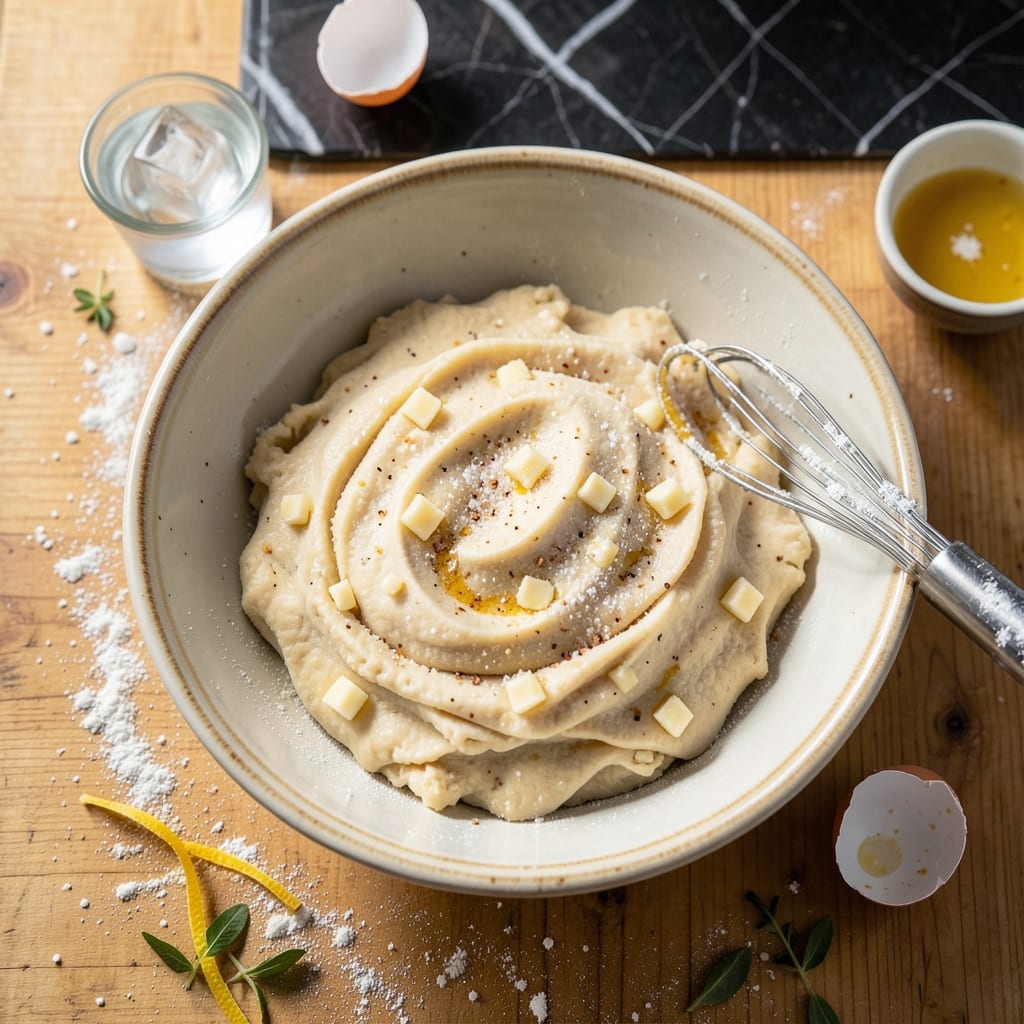
This pie crust recipe delivers flaky, golden layers every time, thanks to a simple but brilliant technique. The secret ingredient—vinegar—works with the egg to create a tender, easy-to-handle dough that rolls out beautifully.
Cold butter is the foundation of those perfect layers, while the vinegar inhibits gluten development for a crust that’s crisp yet delicate. The egg adds richness and structure, ensuring the dough holds its shape during baking.
With just a few ingredients and minimal effort, you’ll achieve a crust that rivals any bakery. The method is straightforward, with clear steps for mixing, resting, and rolling to guarantee professional results.
Use it for pies, tarts, or quiches—this versatile crust is the base for countless desserts. Here’s how to make it.
Ingredients for Pie Crust Recipe with Butter Egg and Vinegar
Cold butter, egg, and vinegar create the flakiest crust with minimal effort.
| Ingredient | Amount | Notes |
|---|---|---|
| All-Purpose Flour 🌾 | 2 ½ cups | Unbleached preferred, sifted |
| Unsalted Butter 🧈 | 1 cup | Very cold, cubed into 1/2-inch pieces |
| Large Egg 🥚 | 1 whole | Ice cold for structure |
| White Vinegar 💧 | 1 tbsp | Distilled or apple cider works too |
| Ice Water 🧊 | ¼ cup | Plus 1 additional tbsp as needed |
| Granulated Sugar 🍚 | 1 tsp | Optional, for sweet crusts |
| Salt 🧂 | ½ tsp | Fine sea salt preferred |
The butter must stay cold—use European-style for higher fat content. Land O’Lakes or Plugra are excellent choices. Cut it into cubes and freeze for 15 minutes before starting. The flour should be unbleached all-purpose; King Arthur is a professional favorite. Measure by spooning into the cup and leveling off—never scoop directly from the bag (that packs it down).
No vinegar? Lemon juice at the same amount works in a pinch. For a richer crust, swap the egg for an extra tablespoon of ice water. Want it sweeter? Increase sugar to 1 tbsp. If your kitchen is warm, chill the mixing bowl and pastry cutter for 10 minutes first. The dough should hold together but not be sticky—add water 1 tsp at a time if needed.
The dough rests best in the fridge for 1 hour (or overnight). Wrap tightly in plastic—this prevents drying. Unused dough freezes beautifully for 3 months. Thaw in the fridge overnight before rolling. Always use on a lightly floured surface to prevent sticking.
Why You’ll Love This Recipe
- No-Fuss Mixing: I just dump the flour, cold butter, egg, and a splash of vinegar in the bowl—no fancy techniques, just my hands and 10 minutes.
- Buttery Richness: The butter and egg make this crust so tender and flaky, with a hint of tang from the vinegar that balances the richness.
- Endless Fillings: Sweet or savory, this crust holds up to fruit pies, quiches, or even pot pie. It’s my go-to for any baking project.
- Budget Friendly: All-purpose flour, butter, and a few pantry staples mean I spend pennies compared to store-bought crusts.
Step-by-Step Instructions for Pie Crust With Butter Egg And Vinegar
Master this technique and you’ll produce a perfectly flaky crust with distinct layers every time.
Step 1: Combine Dry Ingredients
In a large mixing bowl, whisk together the 2.5 cups All-Purpose Flour, 0.5 tsp Salt, and 1 tsp Granulated Sugar until evenly distributed. I prefer to sift the flour first to eliminate lumps and ensure a uniform texture in the final crust.
The sugar is optional but adds a subtle sweetness that complements fruit fillings particularly well. The salt enhances all the flavors in both sweet and savory applications. This dry mixture creates the structural foundation for your flaky layers.
Step 2: Cut in the Cold Butter
Add the 1 cup Unsalted Butter (cubed into 1/2-inch pieces and kept ice cold) to the flour mixture. Using a pastry cutter or your fingertips, work the butter into the flour until the mixture resembles coarse crumbs with pea-sized butter pieces visible throughout.
This step is critical for flakiness—those visible butter pieces will create steam during baking, separating the flour into distinct layers. Work quickly to prevent the butter from warming and melting into the flour, which would result in a tough rather than flaky crust.
Step 3: Add Wet Ingredients and Form Dough
Create a well in the center of the butter-flour mixture. Add the 1 whole Large Egg, 1 tbsp White Vinegar, and 0.25 cup Ice Water. The vinegar is your secret ingredient—it tenderizes the gluten, resulting in a more delicate crust.
Using a fork, gently mix the wet and dry ingredients until just combined. The dough will appear shaggy and slightly sticky. If it seems too dry, add the additional 1 tbsp of ice water mentioned in the ingredients list. Avoid overmixing, which develops gluten and makes the crust tough.
Step 4: Chill and Rest the Dough
Turn the dough onto a lightly floured surface and gently shape it into a disk about 1 inch thick. Wrap it tightly in plastic wrap and refrigerate for at least 1 hour, or up to 2 days.
This resting period allows the gluten to relax and the butter to firm up, making the dough easier to roll out. It also gives the flour time to fully hydrate. When you remove it from the fridge, let it sit at room temperature for 10-15 minutes before rolling to prevent cracking.
The dough is now ready to roll out and use in your favorite pie recipe, where it will bake into a golden, flaky crust that holds its shape beautifully.
Pro Tips For Making Pie Crust Recipe With Butter Egg And Vinegar
- Keep Butter Ice Cold: Cut your unsalted butter into 1/2-inch cubes and chill for 15 minutes before mixing—I learned this the hard way after ending up with a tough, greasy crust.
- Use Vinegar Wisely: Measure exactly 1 tablespoon of white vinegar—it tenderizes the dough but too much makes the crust taste sour.
- Skip Overworking Dough: Mix just until the flour is coated and the dough holds together; overmixing develops gluten and ruins the flaky texture.
- Rest Before Rolling: Wrap the dough and refrigerate for at least 30 minutes—this makes it easier to roll out and prevents shrinking during baking.
Health Benefits of This Dish
Gluten Management
The vinegar in this crust inhibits gluten formation, creating a more tender texture. This is especially helpful for those sensitive to gluten, though it’s not gluten-free. The egg adds structure without requiring excess gluten development.
Healthy Fats
Butter provides beneficial fatty acids that your body needs for energy and cell function. While it’s high in saturated fat, the small amount per serving (2 tbsp per slice) fits well within a balanced diet. I find it’s a worthwhile trade-off for flavor and texture.
Minimal Ingredients
With no artificial additives or preservatives, this crust is a clean, whole-food option. The simple ingredient list means you’re in control of what goes into your food. The egg also adds high-quality protein to each serving.
Lower Sugar Option
This recipe uses just 1 tsp sugar for the entire crust, making it a lower-sugar choice compared to many store-bought options. Omit it entirely for savory applications like quiches or pot pies. I often skip it for a more neutral base. 💪
Portion Control
A standard pie has 8 slices, meaning each serving contains about 1 tbsp butter. This modest amount fits comfortably into most dietary plans. The crust’s richness also means a small slice satisfies.
Balanced Nutrition
While not a significant source of vitamins, this crust provides energy from its carbohydrate and fat content. The egg contributes B vitamins and choline, which support brain health. Pair it with fruit fillings for added nutrients. ✨
Nutrition Facts
Frequently Asked Questions
Why use vinegar in pie crust?
The vinegar tenderizes the gluten, creating a more delicate texture. It also helps keep the dough from becoming tough during mixing and rolling.
Can I skip the egg in this recipe?
You can, but it adds structure and richness. Without it, the crust may be more fragile. Replace it with an extra 1 tbsp ice water if needed.
How long should I chill the dough?
Refrigerate for at least 1 hour to relax the gluten and firm up the butter. For best results, chill overnight for easier rolling.
What if my dough cracks when rolling?
Let it sit at room temperature for 10-15 minutes to soften slightly. If cracks persist, patch them with extra dough and press gently.

- Potato Candy Recipe 1933: Vintage Peanut Butter Roll Delight - October 30, 2026
- Potato Chip Cookie Recipe With Pecans: Buttery Crunch Meets Nutty Richness - October 30, 2026
- Potato Patty Recipe No Egg: Crispy Edges Without the Binder - October 30, 2026