
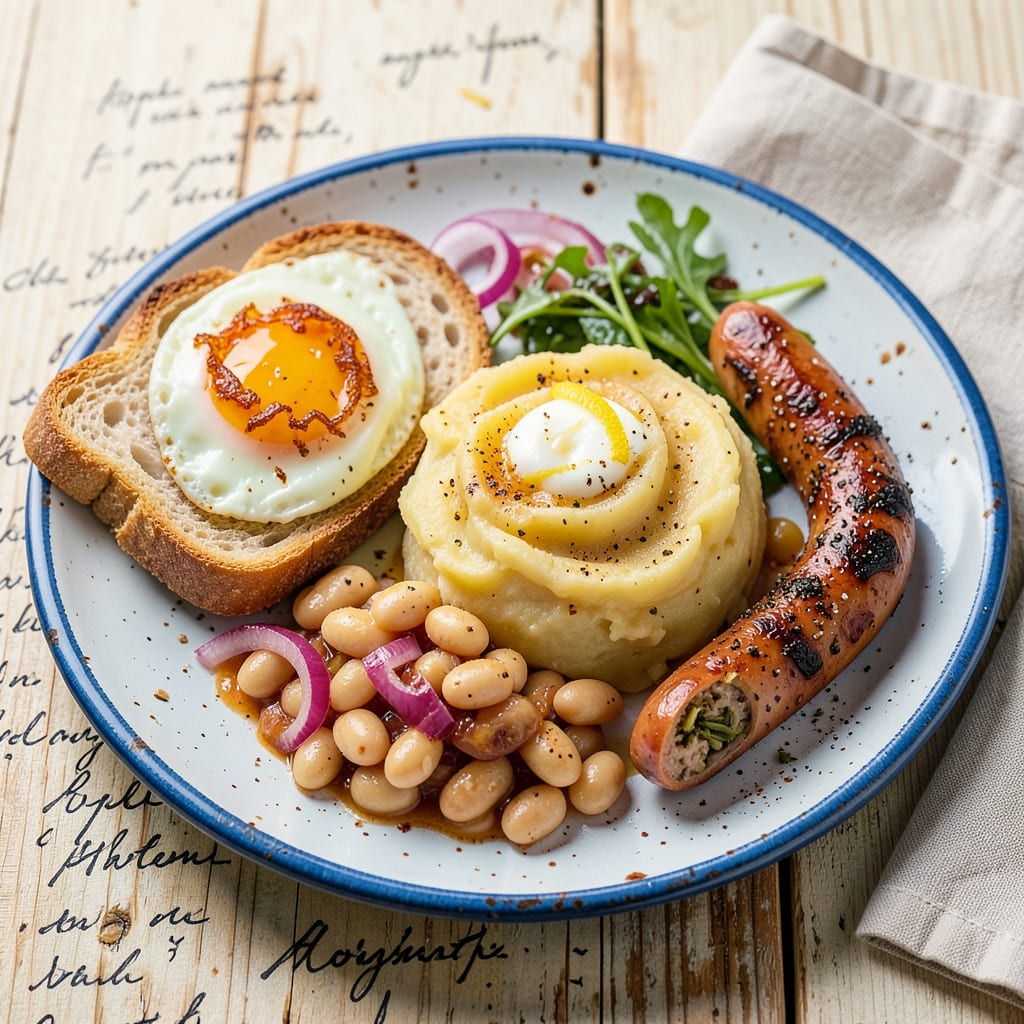
Poor man recipes transform affordable staples like beans, rice, potatoes, and ground meat into filling, flavorful meals. These dishes prioritize nutrition, simplicity, and cost-effectiveness without sacrificing taste or satisfaction.
I’ve found these recipes thrive on smart ingredient layering—think slow-cooked beans absorbing smoky spices or potatoes crisping in rendered fat. 🔥 The magic happens when humble ingredients meet thoughtful techniques, like braising tough cuts until fork-tender or stretching ground meat with grains. What’s brilliant is how these methods often require minimal equipment, making them accessible whether you’re cooking in a tiny apartment or feeding a large family.
Beyond just saving money, these dishes teach resourcefulness. A single bag of dried lentils can become soups, stews, or even meat substitutes across multiple meals. The approach isn’t about deprivation—it’s about maximizing every ingredient’s potential while keeping flavors bold and satisfying. ✨
💡 In This Article
- Why Poor Man Recipes Work for Tight Budgets
- 10 Essential Poor Man Recipe Ingredients to Stock
Why Poor Man Recipes Work for Tight Budgets
These recipes succeed by leveraging what I call the “nutrient density-to-cost ratio.” Take dried beans: a 1-pound bag costs about $1.50 but yields 6 cups cooked, delivering 15g protein and 15g fiber per cup. Compare that to 1 pound of beef at $5.99 with similar protein content.
The economics become obvious when you calculate cost per gram of protein—beans win at $0.01/g versus beef’s $0.08/g. 💛
The secret lies in ingredient synergy. Potatoes act as both filler and flavor carrier when roasted with 1 tablespoon of oil and spices, costing just $0.25 per serving. Rice stretches proteins—1 cup dry becomes 3 cups cooked, turning ½ pound ground meat into 4 servings instead of 2.
Historical peasant dishes like Italian ribollita or Mexican frijoles charros prove this math works globally, using day-old bread or inexpensive cuts like pork shoulder.
Waste reduction plays a huge role too. Vegetable scraps become broth, stale bread becomes croutons or thickeners, and meat bones get simmered for gelatin-rich stocks. My grandmother’s Depression-era trick? Save bacon fat in a jar—it adds umami to beans or greens for pennies per use. These systems think in cycles, not single meals. ✨
Time becomes your ally with these recipes. A 30-minute simmer transforms cheap chicken thighs into fall-off-the-bone tenderness, while overnight soaking cuts lentil cooking time by 50%. Slow cooking breaks down collagen in tough cuts, making chuck roast taste like prime rib at 1/3 the cost.
The flavor development happens through caramelization and Maillard reactions—no expensive ingredients required.
Consider the “flavor multiplier” effect of aromatics. A 50¢ onion, 3 garlic cloves ($0.15), and 1 carrot ($0.20) can build a base that makes any protein taste luxurious. This is why global peasant cuisines rely on sofrito, mirepoix, or holy trinity—they create depth from simple ingredients.
The math shows: 90¢ of vegetables can elevate a $2 cut of meat into a $10-tasting meal. 🔥
Storage strategies maximize savings too. Dried goods last years in airtight containers, while frozen vegetables retain 90% of nutrients at half the fresh cost. Canned tomatoes at $0.89/can provide lycopene and acidity that brighten dishes.
The key is buying in bulk during sales—5 pounds of rice for $3.50 versus $1.50/pound in small bags—and portioning properly to prevent spoilage.
What surprises most people is how these principles create healthier meals. The fiber from beans and whole grains slows digestion, preventing blood sugar spikes. Lean proteins like lentils or canned tuna provide essential amino acids without saturated fats.
A study in the Journal of Nutrition found that budget-conscious Mediterranean diets (rich in these staples) reduced heart disease risk by 30% compared to processed food-heavy diets. 💫

- BBQ Sausage Recipe Oven: Smoky Depth Without the Grill - September 28, 2026
- BBQ Chicken Bowl Recipe Rice: Smoky Sweetness Over Fluffy Grains - September 28, 2026
- Beef Cutlet Recipe Ideas: Crispy Breaded Patties With Bold Seasonings - September 28, 2026