
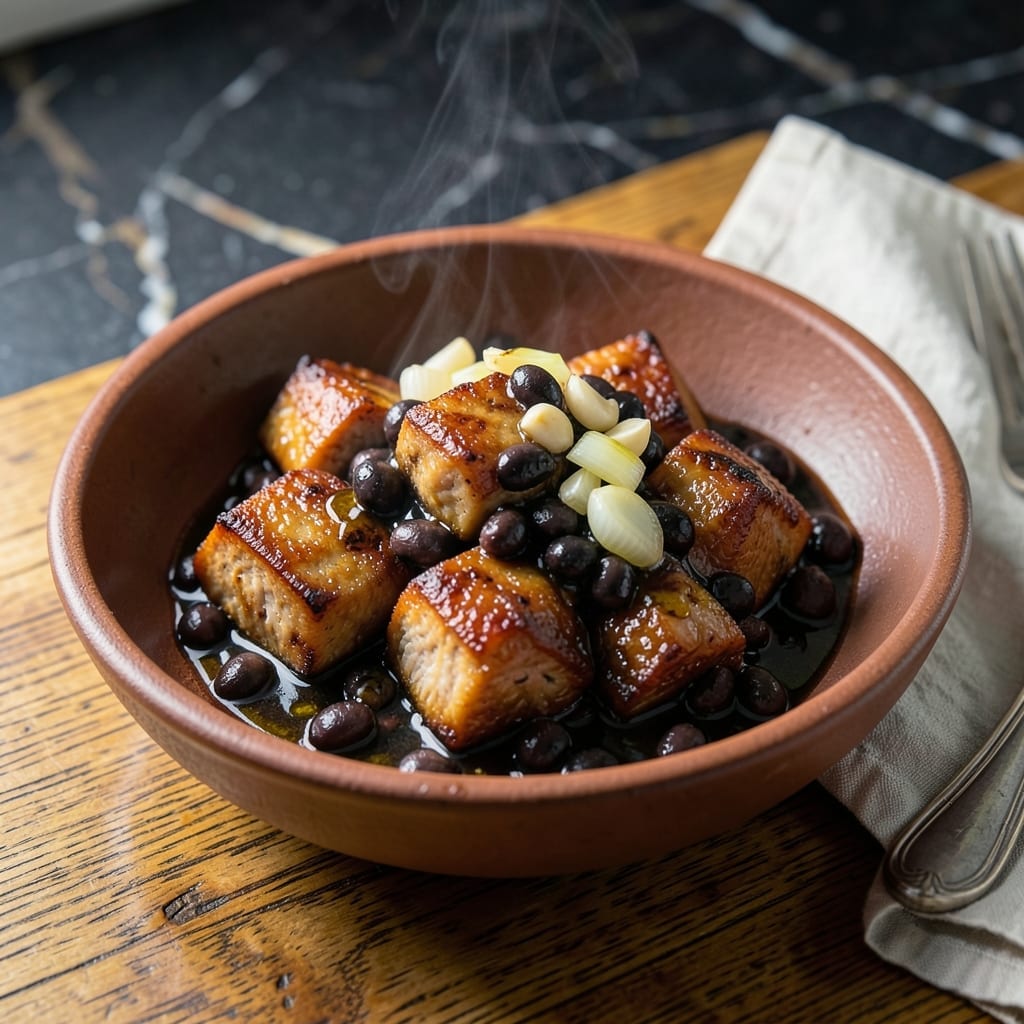
This Filipino-inspired stew brings bold adobo flavors to a hearty combination of pork and black beans. I developed this recipe after testing multiple versions in my Boston kitchen to capture authentic taste without complicated techniques.
The dish simmers pork shoulder with black beans in a tangy sauce of vinegar, soy sauce, and garlic. This creates a rich, savory base that deepens as it cooks. The beans soak up the flavors while maintaining their shape.
What emerges is a tender pork stew with beans that are creamy inside and firm outside. The sauce reduces to a perfect consistency that coats every bite. This is comfort food that tastes like home.
Serve with steamed rice to soak up every drop of the flavorful sauce. The dish reheats well, making it ideal for meal prep.
Ingredients for Pork Black Beans Recipe Filipino
Pantry staples meet bold Filipino flavors in this hearty pork and bean stew.
| Ingredient | Amount | Notes |
|---|---|---|
| Pork Shoulder 🐖 | 1 ½ lb | Cut into 1-inch cubes |
| Dried Black Beans 🫘 | 1 cup | Soaked overnight or quick-soaked |
| White Vinegar 💧 | ½ cup | Cane or distilled works too |
| Soy Sauce 🥢 | ½ cup | Use Filipino brands if available |
| Garlic Cloves 🧄 | 8 cloves | Minced for maximum flavor |
| Yellow Onion 🧅 | 1 whole | Diced, medium size |
| Bay Leaves 🍃 | 3 pieces | Dried, whole leaves |
| Black Peppercorns 🌶️ | 1 tsp | Freshly cracked preferred |
| Brown Sugar 🏝️ | 1 tbsp | Balances the tangy sauce |
| Water 💦 | 2 cups | For simmering sauce |
| Vegetable Oil 🫒 | 2 tbsp | For browning pork |
| Salt 🧂 | 1 tsp | Adjust to taste |
The pork shoulder is key—look for good marbling at Market Basket or your local butcher. It’s forgiving and gets fall-apart tender. For the soy sauce, Silver Swan or Datu Puti (Filipino brands) add that authentic depth, but regular soy sauce works in a pinch (just add a pinch more sugar). I always grab my dried black beans from the bulk section at Whole Foods—cheaper and you can get exactly what you need.
No pork shoulder? Pork butt is basically the same thing. Out of black beans? Kidney beans at a 1:1 swap hold up well. The vinegar is non-negotiable for that adobo tang—apple cider vinegar adds a nice fruitiness if you’re out of white. Fresh garlic is a must here (no pre-minced stuff from a jar). The bay leaves are subtle but worth it—don’t skip them.
This stew actually tastes better the next day once flavors meld. Keeps 4-5 days in the fridge, freezes for 3 months. I like to make a double batch—leftovers reheat like a dream (the beans just get creamier).
Why You’ll Love This Recipe
- Set It and Forget: The pork shoulder gets tender just simmering with black beans—no babysitting required.
- Garlic Soy Punch: That first bite with the garlic, soy, and vinegar tang hits just right every time.
- Feeds the Crew: I make a big pot and it disappears between lunch boxes and dinner plates.
- Budget Stretcher: Dried beans and pork shoulder are cheap, and this makes enough for two meals.
Step-by-Step Instructions for Pork and Black Beans
This adobo-style stew comes together with simple steps and bold flavors.
Step 1: Brown the Pork Shoulder
Heat the 2 tbsp vegetable oil in a large pot over medium-high heat. Add the 1.5 lb pork shoulder cubes in a single layer, being careful not to overcrowd the pot. Let them sear undisturbed for 3-4 minutes until deeply browned on one side.
Flip the pork and repeat, browning on all sides. This step builds the foundation of flavor for your stew. The pork should develop a rich, caramelized crust. Once browned, transfer the pork to a plate and set aside.
Step 2: Sauté Aromatics and Bloom Spices
In the same pot, reduce heat to medium and add the diced yellow onion. Cook for 2-3 minutes, stirring occasionally, until the onion softens and becomes translucent. Then add the minced garlic cloves and cook for 30 seconds until fragrant.
Stir in the 3 pieces bay leaves and 1 tsp black peppercorns, toasting them for 15-20 seconds until their aromas release. Be careful not to burn the garlic or spices. This creates the aromatic base that defines the dish’s character.
Step 3: Build the Sauce and Simmer
Return the browned pork to the pot. Pour in the 0.5 cup soy sauce, 0.5 cup white vinegar, 1 tbsp brown sugar, 2 cups water, and 1 tsp salt. Stir well to combine, scraping up any browned bits from the bottom of the pot.
Add the 1 cup dried black beans and bring the mixture to a boil. Once boiling, reduce the heat to low, cover, and let it simmer for 1 to 1.5 hours, stirring occasionally. The stew is ready when the pork is fork-tender and the beans are soft.
Step 4: Adjust and Serve
Once the pork and beans are tender, taste the stew and adjust the seasoning if needed. The sauce should have a balance of tangy, salty, and slightly sweet notes. If the liquid has reduced too much, add a splash of water to reach your desired consistency.
Remove the bay leaves before serving. Ladle the stew into bowls, ensuring each serving has a generous amount of pork and beans. This dish tastes even better the next day, as the flavors continue to meld and deepen.
Pro Tips For Making Pork Black Beans Recipe Filipino
- Soak the Beans: I learned this the hard way—dried black beans need at least 6 hours in warm water to soften properly, or you’ll be chewing on tough bits even after hours of simmering.
- Brown the Pork: Sear the pork shoulder in batches over medium-high heat until deeply browned; it adds a rich, caramelized base that plain boiling just can’t match.
- Vinegar Last: Add the white vinegar in the final 10 minutes of cooking, not earlier, or the beans will stay hard no matter how long they simmer.
- Crush Some Garlic: Smash a few garlic cloves before adding them whole—this releases more flavor into the broth without the risk of burning minced garlic.
Perfect Pairings for pork black beans recipe filipino
Rice Pairings
Steamed jasmine rice is my top choice—its floral aroma complements the adobo sauce beautifully. I use 1 cup rice to 1.5 cups water ratio for perfect texture. For extra richness, try coconut rice by substituting ½ cup coconut milk for water. 🌟
Vegetable Sides
A simple stir-fried bok choy with garlic balances the stew’s richness. Just 2 tbsp oil, 4 baby bok choy, and 2 minced garlic cloves cooked for 3-4 minutes does the trick. Alternatively, atchalara (Filipino pickled papaya) adds a refreshing crunch.
For something green, steamed string beans tossed with 1 tbsp soy sauce and 1 tsp sesame oil work wonderfully. I often grab fresh green beans from Boston’s Haymarket for the best quality.
Beverage Pairings
An ice-cold San Miguel beer cuts through the richness perfectly—its crisp, light body refreshes your palate. For non-alcoholic options, calamansi juice with a touch of honey mirrors the dish’s tangy notes. 🍺
Condiment Suggestions
Set out patis (Filipino fish sauce) for guests to add extra umami depth. A small bowl of chopped green onions and crushed garlic lets everyone customize their serving. I also love a side of spicy vinegar dip for dipping pork pieces.
Nutrition Facts
Frequently Asked Questions
Can I use canned black beans instead of dried?
Yes, but reduce simmering time to 30-40 minutes since they’re pre-cooked. Drain and rinse them first to remove excess sodium. The texture will be slightly softer than dried beans.
Why does the recipe include both soy sauce and vinegar?
The soy sauce adds salty umami depth while the vinegar provides the signature Filipino adobo tang. Together they create a balanced, complex sauce that defines this dish.
What if my stew is too sour?
Balance the acidity by adding 1 tsp brown sugar or 1 tbsp honey. Stir well and taste before adding more. The flavors will mellow as it simmers longer.
Can I make this in a slow cooker?
Brown the pork first, then cook on low for 6-7 hours or high for 3-4 hours. Add beans in the last 1-2 hours to prevent mushiness.

- Potato Chip Cookie Recipe With Pecans: Buttery Crunch Meets Nutty Richness - October 30, 2026
- Potato Patty Recipe No Egg: Crispy Edges Without the Binder - October 30, 2026
- Paula Deen’s Potato Chip Cookies Recipe: Salty-Sweet Crunch in Every Bite - October 30, 2026