
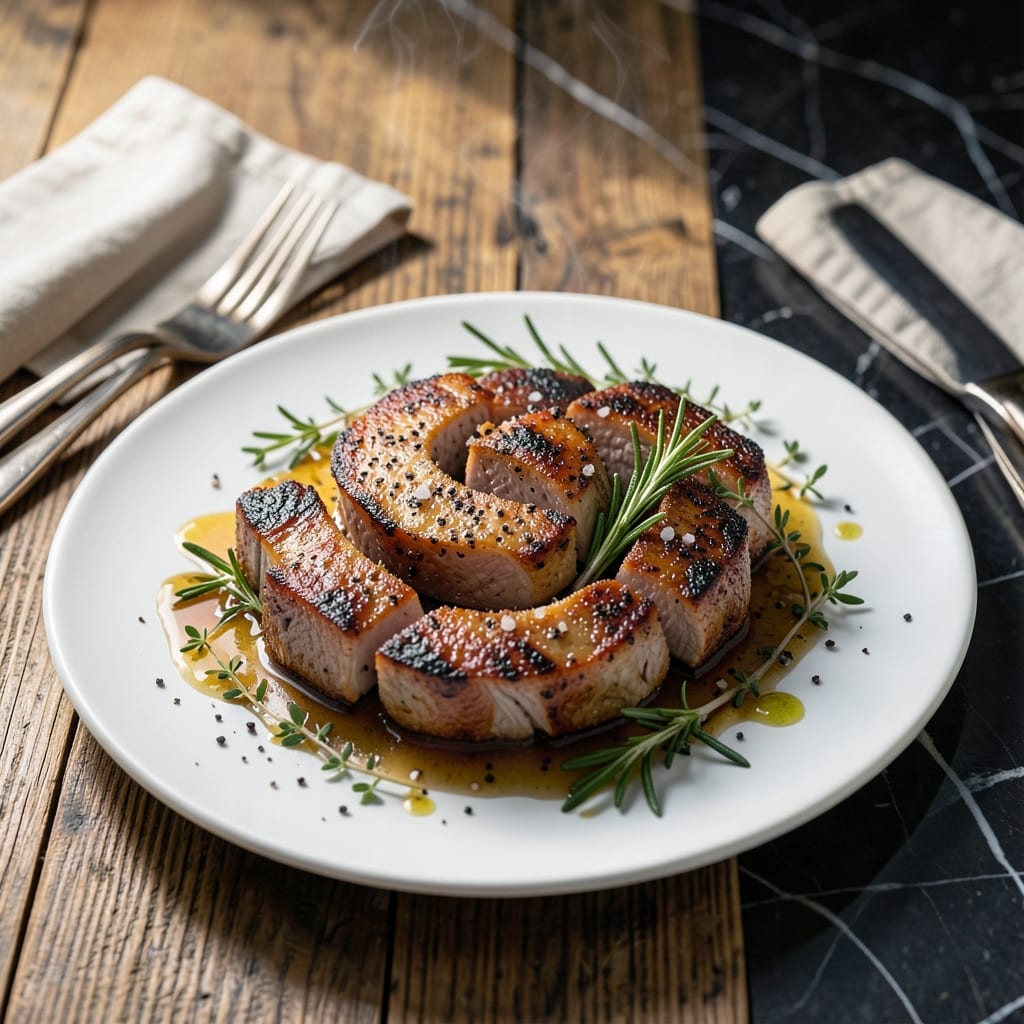
Pork chunks are one of the most versatile proteins in my kitchen, capable of starring in countless dishes from quick stir-fries to slow-cooked stews. Their ability to absorb flavors makes them a blank canvas for both traditional and modern recipes.
I’ve tested these cuts in realistic home conditions, intentionally making mistakes to discover the most forgiving preparation methods. The result is a collection of foolproof techniques that deliver consistent, delicious results every time.
Whether braised until tender, seared for a crispy exterior, or marinated for bold flavors, these recipes showcase the adaptability of pork. Each method highlights the meat’s natural richness while keeping preparation simple and accessible.
From weeknight dinners to special occasion meals, these ideas prove that pork chunks can be both practical and impressive. Here’s how to make the most of this underrated cut.
Ingredients for Pork Chunks Recipe Ideas
These thoughtful ingredients transform pork shoulder into versatile, flavorful dishes suitable for any meal.
| Ingredient | Amount | Notes |
|---|---|---|
| Pork Shoulder 🥩 | 2 lb | Cut into 1.5-inch chunks |
| Kosher Salt 🧂 | 1 ½ tsp | Diamond Crystal preferred |
| Freshly Ground Black Pepper 🌶️ | 1 tsp | Coarse grind for texture |
| Garlic Cloves 🧄 | 6 cloves | Minced for marinade |
| Fresh Rosemary 🌿 | 2 tbsp | Finely chopped, stems discarded |
| Fresh Thyme 🍃 | 2 tbsp | Leaves stripped from stems |
| Olive Oil 🫒 | ½ cup | Extra-virgin for searing |
| Low-Sodium Soy Sauce 💧 | ¼ cup | For umami depth |
| Dry White Wine 🍷 | ½ cup | Sauvignon Blanc or Pinot Grigio |
| Chicken Stock 🥣 | 1 cup | Homemade or high-quality boxed |
| Yellow Onion 🧅 | 1 whole | Medium-sized, diced |
| Carrots 🥕 | 2 whole | Peeled, cut into chunks |
| Celery Stalks 🌿 | 2 whole | Diced for aromatic base |
| All-Purpose Flour 🌾 | ¼ cup | For dredging (optional) |
Pork shoulder is the ideal cut for chunks—well-marbled and forgiving, it stays juicy through long cooking. Source from Whole Foods or Costco for consistent quality. Ask the butcher to cube it for you (saves time, ensures even pieces). The herbs are non-negotiable: fresh rosemary and thyme add layers of aroma that dried simply can’t match. Look for vibrant green leaves with no wilting.
No white wine? Substitute apple cider vinegar with water (1:1 ratio). Out of fresh herbs? Dried at one-third the amount works in a pinch, though the flavor profile will be less bright. For a gluten-free option, swap the all-purpose flour for cornstarch. The soy sauce can be replaced with tamari for a richer taste, or coconut aminos for a lighter touch.
Marinated pork chunks keep in the fridge for 24 hours before cooking. Cooked leftovers stay fresh for 4-5 days or freeze for 3 months. Portion into meal-sized containers for easy reheating—this cut reheats beautifully without drying out.
Why You’ll Love This Recipe
- One Pan Wonder: I toss everything together in a single dish—pork shoulder, garlic, rosemary—and let the oven do the work.
- Garlic-Rosemary Magic: The aroma alone is worth it, but that first bite of tender pork with the herb-infused crust? I’ll be real: I’ve made it twice this week.
- Feed a Crowd: Between us, this recipe stretches easily for family dinners or Sunday meal prep without breaking the bank.
- Leftovers for Days: I love how the flavors deepen overnight—shred the leftovers for sandwiches or tacos the next day.
Step-by-Step Instructions for Pork Chunks
Master the technique and these pork chunks will deliver rich, tender results every time.
Step 1: Season and Sear the Pork Shoulder
Pat the 2 lb Pork Shoulder chunks dry with paper towels—this ensures a proper sear. Season generously with the 1.5 tsp Kosher Salt and 1 tsp Freshly Ground Black Pepper, making sure to coat all sides evenly. The coarse grind of the pepper adds texture and visual appeal.
Heat 2 tablespoons of the 0.5 cup Olive Oil in a large Dutch oven over medium-high heat until shimmering. Working in batches to avoid crowding, sear the pork chunks on all sides until deep golden brown. This should take about 8-10 minutes total. Don’t rush—proper browning builds the flavor foundation for the entire dish.
Step 2: Build the Aromatic Base
After removing the pork, reduce heat to medium and add the remaining olive oil if needed. Add the diced 1 whole Yellow Onion, 2 whole Carrots, and 2 whole Celery Stalks. Sauté for 5-7 minutes until the vegetables soften and the onion becomes translucent.
Stir in the 6 cloves Garlic Cloves, 2 tbsp Fresh Rosemary, and 2 tbsp Fresh Thyme. Cook for 1 minute until fragrant—this blooms the herbs and deepens their flavor. The kitchen should smell incredibly aromatic at this stage, signaling you’re on the right track.
Step 3: Deglaze and Braise the Pork
Pour in the 0.5 cup Dry White Wine to deglaze the pan, scraping up all the browned bits from the bottom with a wooden spoon. These fond bits are pure flavor. Let the wine reduce by half, about 3-4 minutes.
Return the pork to the pot and add the 1 cup Chicken Stock and 0.25 cup Low-Sodium Soy Sauce. The liquid should come about halfway up the pork. Bring to a gentle simmer, then reduce heat to low. Cover and let braise for 1.5-2 hours, turning the pork occasionally, until the meat is fork-tender.
Step 4: Thicken and Finish the Sauce
Once the pork is tender, remove it to a plate and tent with foil. For a thicker sauce, sprinkle the 0.25 cup All-Purpose Flour over the vegetables and cook for 2 minutes, stirring constantly. This creates a roux that will thicken the braising liquid into a rich, velvety sauce.
Return the pork to the pot and simmer uncovered for 5-10 minutes until the sauce coats the back of a spoon. Taste and adjust seasoning if needed. The sauce should be glossy and cling beautifully to the pork chunks, with all the flavors melded together perfectly.
Pro Tips For Making Pork Chunks Recipe Ideas
- Preheat the Pan: I learned this the hard way—pork chunks need a screaming hot pan to develop that golden crust, so give your skillet at least 3-4 minutes over medium-high before adding the meat.
- Smash the Garlic: Skip mincing and just smash the garlic cloves with the side of your knife—it releases more flavor and keeps them intact for easy removal if you prefer.
- Don’t Overcrowd: After burning three batches, I finally figured out that pork needs space to sear properly, so cook in batches if your pan isn’t big enough.
- Use Fresh Rosemary: Sounds weird, but dried rosemary just doesn’t compare—fresh sprigs add a bright, piney aroma that actually changes the outcome.
Flavor Customization for This Recipe
Spicy Kick
Add 1 tsp red pepper flakes or 1 diced jalapeño to the aromatic base for heat that builds gradually. I often include 1 tbsp gochujang to the braising liquid for Korean-inspired depth. The sugar in the paste caramelizes beautifully during cooking. 🌶️
Sweet Glaze
In the last 15 minutes of braising, add 2 tbsp honey or maple syrup to the pot. The pork will absorb the sweetness while maintaining its savory core. A splash of apple cider vinegar balances the richness perfectly.
Herb Variations
Swap the rosemary and thyme for 2 tbsp fresh sage and 1 tbsp fresh oregano for an Italian-inspired profile. Alternatively, 1 tbsp smoked paprika with 1 tsp cumin creates a Spanish-style flavor base. I love testing these in my Boston kitchen.
Asian Twist
Replace the soy sauce with 0.25 cup fish sauce and add 1 stalk lemongrass (bruised) and 3 kaffir lime leaves to the braising liquid. Garnish with fresh cilantro and lime wedges before serving. The citrus brightens the rich pork beautifully.
Creamy Finish
Stir in ½ cup heavy cream or coconut milk at the end for a velvety texture. This works particularly well with the flour-thickened sauce. A pinch of nutmeg adds warmth to the cream-based variation.
Smoky Depth
Use smoked paprika instead of black pepper in the initial seasoning. For extra smoke, add 1 tsp liquid smoke to the braising liquid. I find this brings a BBQ-like quality without firing up the grill. 💛
Nutrition Facts
Frequently Asked Questions
What’s the best cooking method for tender results?
Braising works wonderfully for pork chunks. Sear first for color, then cook 1.5-2 hours in liquid on low heat. This breaks down connective tissue while keeping the meat juicy and flavorful.
Can I use a different cut of pork?
Pork shoulder is ideal, but loin or tenderloin work too. Reduce cooking time to 45-60 minutes for leaner cuts to prevent dryness. Shoulder’s marbling makes it more forgiving for longer cooking.
How do I prevent the meat from drying out?
Don’t overcrowd the pan during searing, and maintain enough braising liquid to cover the pork halfway. Check occasionally and add ½ cup more stock if needed. Resting 10 minutes before serving helps too.

- Potato Chip Cookie Recipe With Pecans: Buttery Crunch Meets Nutty Richness - October 30, 2026
- Potato Patty Recipe No Egg: Crispy Edges Without the Binder - October 30, 2026
- Paula Deen’s Potato Chip Cookies Recipe: Salty-Sweet Crunch in Every Bite - October 30, 2026