
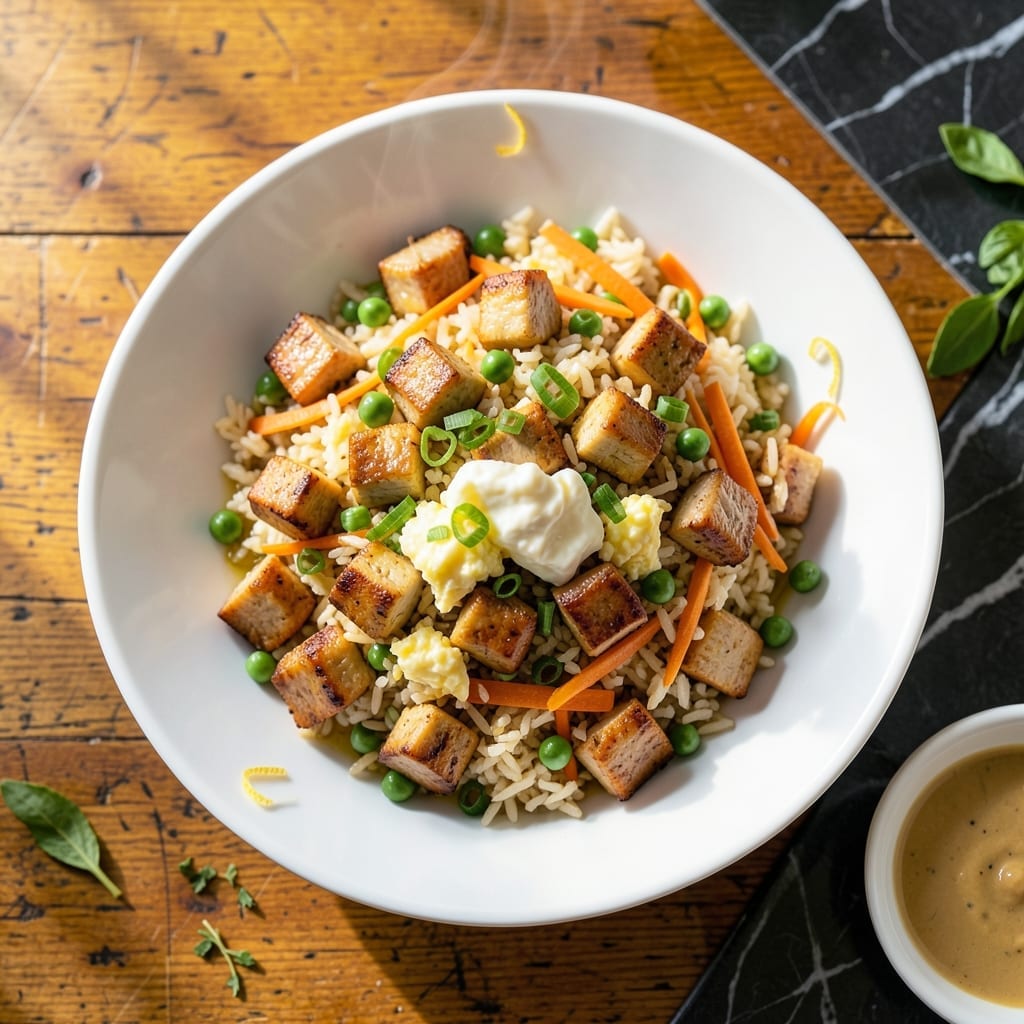
This dish brings classic Chinese takeout flavor to your home kitchen with perfectly balanced savory and umami notes. I’ve tested it repeatedly in my small Boston kitchen to ensure consistent results every time.
The secret lies in using day-old rice and high heat to achieve that signature wok-tossed texture. Each bite delivers tender pork pieces, crisp vegetables, and rice with just the right amount of chew.
What you get is a classic version that stays true to tradition while being completely achievable with standard kitchen equipment. The aroma alone will transport you to your favorite Chinese restaurant.
Ready in under 30 minutes, this becomes a weeknight staple that’s even better than delivery. Here’s how to make it.
Ingredients for Pork Fried Rice Recipe Martha Stewart
Day-old rice, fresh pork, and a handful of veggies create this takeout classic at home.
| Ingredient | Amount | Notes |
|---|---|---|
| Day-Old Cooked White Rice 🍚 | 4 cups | Chilled, preferably overnight |
| Boneless Pork Shoulder 🥩 | ¾ lb | Cut into small even cubes |
| Large Eggs 🥚 | 2 whole | Lightly beaten with pinch of salt |
| Green Onions 🧅 | 4 whole | Thinly sliced, whites and greens separated |
| Carrots 🥕 | 2 whole | Medium, diced into small cubes |
| Frozen Green Peas 🌱 | 1 cup | No need to thaw |
| Garlic Cloves 🧄 | 3 cloves | Minced finely for even distribution |
| Fresh Ginger Root 🌿 | 1 tbsp | Peeled and minced |
| Soy Sauce 💧 | 3 tbsp | Use low-sodium for control |
| Oyster Sauce 🫒 | 1 tbsp | Vegetarian oyster sauce optional |
| Sesame Oil 🫒 | 1 tsp | Toasted, for finishing |
| Neutral Cooking Oil 🫒 | 3 tbsp | Peanut or vegetable oil preferred |
| Salt 🧂 | ½ tsp | Kosher or sea salt |
| White Pepper 🌶️ | ¼ tsp | Ground, for authentic flavor |
The rice is non-negotiable—day-old and cold is what gives you those separate, chewy grains (fresh rice turns mushy). For the pork, shoulder or butt works best—tender and flavorful. I grab mine from Whole Foods or a local Asian market when I want premium cuts. Look for pieces with good marbling; they’ll stay juicy even with high heat. The ginger and garlic? Fresh only (those jars just don’t cut it).
No pork? Chicken thighs or shrimp work great—just adjust the cook time. Out of oyster sauce? Hoisin or extra soy in a pinch. Frozen peas are a freezer staple, but edamame or diced bell peppers add nice color. For a vegetarian twist, swap pork for extra-firm tofu (press it first). The soy sauce is the backbone here—Kikkoman or Pearl River Bridge are my go-tos.
Fried rice is a 30-minute meal start to finish, but the flavors deepen if you let it sit. Keeps 3-4 days in the fridge—reheat in a skillet with a splash of water to revive. Don’t freeze it though; the rice gets gummy. Leftovers? Perfect for packing a lunch (it’s great cold too).
Why You’ll Love This Recipe
- One Pan Wonder: I toss everything in a single wok and it’s done in 20 minutes—no extra dishes, no stress.
- Savory Bite: The pork shoulder caramelizes with the rice and eggs, and that little char on the green onions? Ridiculously good.
- Feeds a Crowd: I make a huge batch Sunday night, then reheat portions all week for lunches that actually taste better the next day.
- Budget Hero: Between us, boneless pork shoulder is cheap, and stretching it with rice and veggies means dinner for four costs less than takeout.
Step-by-Step Instructions for Wok-Tossed Pork Fried Rice
Master the wok technique that delivers perfectly textured rice with rich, savory depth in every bite.
Step 1: Veloute the Pork and Aromatics
Heat 1 tablespoon neutral cooking oil in a wok over high heat until shimmering. Add the 0.75 lb boneless pork shoulder cubes and stir-fry for 3-4 minutes until lightly browned and just cooked through. The pork should sizzle aggressively—this is how you develop flavor.
Push the pork to one side and add the minced 3 cloves garlic cloves and 1 tbsp fresh ginger root to the cleared space. Stir-fry for 30 seconds until fragrant but not browned. Combine with the pork, then add the diced 2 whole carrots and cook for 2 minutes until slightly softened. Remove everything to a plate.
Step 2: Scramble the Eggs for Silky Texture
Return the wok to high heat and add another 1 tablespoon neutral cooking oil. Pour in the 2 whole large eggs and let them set for 10 seconds before gently scrambling with a spatula. You want soft, barely-set curds—this creates the classic fried rice texture.
Cook the eggs for 30-45 seconds until just set but still slightly runny. Remove them to the plate with the pork. The residual heat will finish cooking the eggs while you work on the next step.
Step 3: Stir-Fry the Rice and Vegetables
Add the remaining 1 tablespoon neutral cooking oil to the wok. Add the thinly sliced whites from 4 whole green onions, 1 cup frozen green peas, and the 4 cups day-old cooked white rice, breaking up any clumps with your spatula. Stir-fry for 2-3 minutes until the rice is hot throughout and the peas are thawed.
The key here is high heat and constant motion. You should hear a steady sizzle as the rice makes contact with the wok. If it sticks, let it sit for 5 seconds to develop a slight crust before stirring—this builds the coveted wok hei flavor.
Step 4: Combine and Season for Perfect Balance
Return the pork, eggs, and carrots to the wok. Drizzle the 3 tbsp soy sauce and 1 tbsp oyster sauce over everything. Add the 0.5 tsp salt and 0.25 tsp white pepper. Toss vigorously for 1-2 minutes until all ingredients are evenly distributed and the rice takes on a uniform caramel color.
Taste and adjust seasoning if needed. The rice should have a glossy sheen from the sauces, with each grain distinct yet coated. The pork should be tender, the vegetables vibrant, and the eggs in soft, fluffy bits throughout.
Step 5: Finish with Freshness and Serve
Remove from heat and stir in the green parts from 4 whole green onions and 1 tsp sesame oil. The green onions should retain their bright color and slight crunch, while the sesame oil adds a final layer of aroma. Garnish with additional green onions if desired.
Serve immediately while hot. The ideal bite should have a balance of textures: tender pork, soft eggs, crisp vegetables, and rice that’s slightly chewy with a hint of crispness from the wok. This is classic wok-fried rice at its finest.
Pro Tips For Making Pork Fried Rice Recipe Martha Stewart
- Chill the Rice: Use day-old rice straight from the fridge—it’s drier and fries up fluffier. I learned this the hard way after my first batch turned mushy.
- Slice Pork Thin: Cut the boneless pork shoulder into ¼-inch strips so it cooks fast and stays tender. Anything thicker and you’ll chew on rubbery bits.
- Scramble Eggs First: Push the scrambled eggs to one side of the wok before adding the pork and veggies. Sounds fussy, but it keeps them from disappearing into the rice.
- Crank the Heat: High heat the whole time—no exceptions. After burning one batch at medium, I finally figured out that’s the only way to get that smoky wok flavor at home.
Best Sauces and Condiments for This Recipe
Classic Soy Sauce Base
I always start with low-sodium soy sauce like Kikkoman as the foundation—it adds that essential salty depth without overpowering. Use 1-2 extra tablespoons if you love that bold umami flavor. It’s the backbone of any good fried rice. 🥢
Oyster Sauce Richness
For a thicker, more complex flavor, stir in 1-2 tablespoons oyster sauce at the end. I prefer Lee Kum Kee for its perfect balance of sweet and salty. It coats the rice beautifully and adds that restaurant-quality sheen.
If you’re vegetarian, vegetarian oyster sauce works just as well—Ocean’s Halo is my go-to brand.
Sesame Oil Finish
A drizzle of toasted sesame oil just before serving adds nutty aroma that ties everything together. I use Kadoya brand—just ½-1 teaspoon is enough to make a difference. Stir it in off heat to preserve its delicate flavor.
Chili Heat Boost
For those who like a kick, add 1 teaspoon sriracha or chili oil while stir-frying. I keep Fly By Jing chili crisp in my pantry for this. It adds texture and spice that cuts through the richness. 🔥
Acidic Brightness
A splash of rice vinegar or lime juice at the end brightens all the flavors. I use Marukan rice vinegar—about 1 tablespoon does the trick. It balances the saltiness and adds a subtle tang that makes every bite pop.
Nutrition Facts
Frequently Asked Questions
Why use day-old rice for fried rice?
Day-old rice is drier and firmer, preventing mushiness when stir-fried. Fresh rice contains too much moisture and will turn to paste in the wok.
Can I substitute chicken for pork?
Use 0.75 lb boneless chicken thighs cut into small pieces. Cook for 4-5 minutes until no longer pink. The flavor profile works perfectly.
What if my fried rice is bland?
Boost flavor with an extra 1 tablespoon soy sauce or 1/2 teaspoon salt. A splash of sesame oil at the end also adds depth.

- Potato Candy Recipe 1933: Vintage Peanut Butter Roll Delight - October 30, 2026
- Potato Chip Cookie Recipe With Pecans: Buttery Crunch Meets Nutty Richness - October 30, 2026
- Potato Patty Recipe No Egg: Crispy Edges Without the Binder - October 30, 2026