
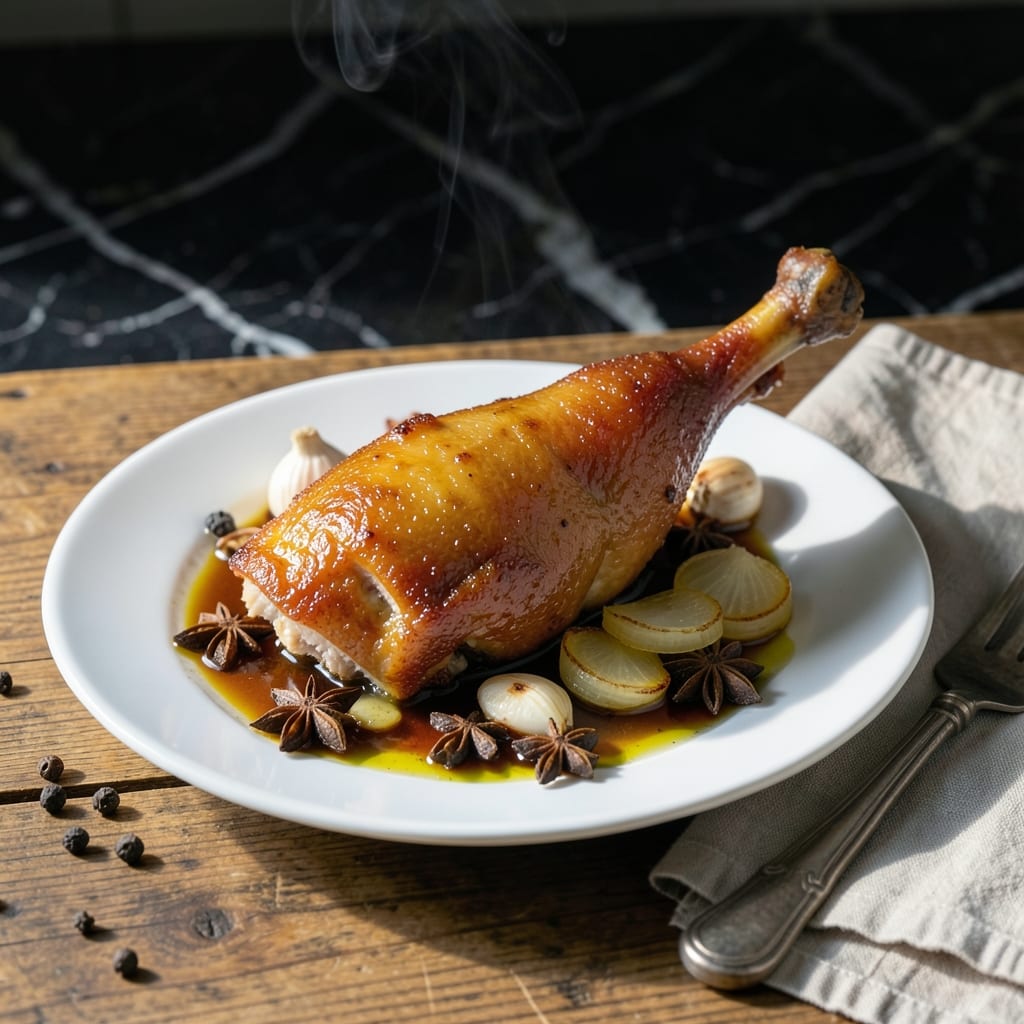
This Filipino pork pata recipe delivers crispy skin and tender, gelatinous meat that falls off the bone. I developed this method after testing multiple approaches to achieve authentic texture and flavor.
The secret lies in the two-stage cooking process: slow boiling to render the fat and soften the meat, followed by high-heat frying or baking for that signature crispy exterior. Traditional Filipino techniques ensure every bite is rich and satisfying.
What sets this dish apart is the balance between the shatteringly crispy skin and the melt-in-your-mouth meat. The aromatics used during boiling infuse the pata with deep, savory notes that elevate each serving.
Perfect for special occasions or weekend feasts, this recipe brings a taste of Filipino tradition to your table with impressive results.
Ingredients for Pork Pata Recipe Filipino
A few quality cuts and aromatics create this Filipino specialty with perfect texture contrast.
| Ingredient | Amount | Notes |
|---|---|---|
| Pork Hock 🍖 | 2 ½ lb | Whole, skin-on, split lengthwise |
| Water 💧 | 8 cups | Enough to fully submerge pork |
| Bay Leaves 🍃 | 3 pieces | Dried, whole leaves |
| Garlic Cloves 🧄 | 8 cloves | Smashed, peeled |
| Yellow Onion 🧅 | 1 whole | Quartered, skin on |
| Black Peppercorns 🌶️ | 1 tbsp | Whole, lightly crushed |
| Salt 🧂 | 2 tbsp | Kosher or sea salt |
| Soy Sauce 🫒 | ½ cup | Filipino-style preferred |
| White Vinegar 🍶 | ¼ cup | For tenderizing meat |
| Star Anise Pods ⭐ | 2 pieces | Whole, dry |
| Vegetable Oil 🫒 | 2 cups | For deep frying |
| Cornstarch 🌾 | ¼ cup | For extra crispiness |
The pork hock is non-negotiable for authentic texture. Asian markets often carry them pre-split, or ask your butcher to cut them lengthwise for even cooking. Look for pieces with thick skin and good marbling—they render the best fat. Bay leaves and star anise are essential for the traditional aromatic base; whole spices release flavor slowly during the long boil without overpowering.
No pork hock? Pork shank is the closest substitute, though the skin-to-meat ratio differs. For a quicker version, pork belly works but lacks the gelatinous quality. Soy sauce can be swapped for fish sauce at half the amount for a saltier depth. If you can’t find star anise, a pinch of five-spice powder mimics its complexity. The vinegar tenderizes—apple cider or rice vinegar both work.
Boiled pork keeps 3 days refrigerated in its broth. For crispiness, fry just before serving. Leftovers reheat well—broth freezes for 3 months. Always bring pork to room temperature before frying to ensure even cooking and prevent tough meat.
Why You’ll Love This Recipe
- Set It and Forget: I just toss the pork hock, garlic, onion, and bay leaves in a pot with water and let it simmer—hardly any active work.
- Garlic and Bay Magic: The combo of slow-cooked garlic cloves and bay leaves turns the broth into something ridiculously rich and aromatic.
- Feeds a Hungry Table: Between us, this is my go-to for family gatherings—everyone gets a hearty portion, and it’s always a hit.
- Budget Stretcher: One pork hock makes multiple meals, and the leftovers taste even better the next day.
Step-by-Step Instructions for Pork Pata
Master these professional techniques to achieve the perfect balance of crispy skin and fall-off-the-bone meat.
Step 1: Boil the Pork Hock with Aromatics
In a large stockpot, combine the 8 cups Water, 2.5 lb Pork Hock, 1 whole Yellow Onion, 8 cloves Garlic Cloves, 3 pieces Bay Leaves, 2 pieces Star Anise Pods, 1 tbsp Black Peppercorns, 2 tbsp Salt, 0.5 cup Soy Sauce, and 0.25 cup White Vinegar.
Bring to a rolling boil over high heat, then reduce to medium-low and simmer for 1.5 to 2 hours until the meat is fork-tender. Skim off any foam that rises to the surface. This step infuses the pork with deep, aromatic flavors while ensuring it remains moist.
Step 2: Drain and Dry Thoroughly
Carefully remove the pork hock from the pot and transfer it to a wire rack set over a baking sheet. Discard the cooking liquid or reserve it for soup if desired. Pat the pork dry with paper towels to remove excess moisture—this is critical for achieving crispy skin later.
Let it air-dry at room temperature for 30 minutes, or refrigerate uncovered for 1 hour for even better results. The surface should feel dry to the touch. Proper drying prevents splattering when frying and ensures an even, golden crust.
Step 3: Coat with Cornstarch for Extra Crispiness
Once the pork hock is completely dry, dust it evenly with the 0.25 cup Cornstarch. Press gently to ensure the cornstarch adheres to all surfaces, especially the skin. This thin layer creates an ultra-crispy exterior while locking in the meat’s natural juices.
Shake off any excess cornstarch to avoid clumping during frying. The pork should have a light, even coating that looks slightly powdery. This step is non-negotiable for achieving that signature Filipino crispiness.
Step 4: Deep-Fry to Golden Perfection
Heat the 2 cups Vegetable Oil in a deep, heavy-bottomed pot to 350°F. Carefully lower the pork hock into the hot oil, ensuring it is fully submerged. Fry for 10-12 minutes, turning occasionally, until the skin turns a deep golden brown and becomes blistered and crispy.
Use a slotted spoon or tongs to remove the pork hock from the oil and drain it on a wire rack or paper towels. The skin should crackle when pressed lightly. For extra crispiness, fry for an additional 2-3 minutes at 375°F just before serving.
Let it rest for 5 minutes before slicing to allow the juices to redistribute. Serve immediately while the skin is still at its crispiest.
Pro Tips For Making Pork Pata Recipe Filipino
- Parboil First: Always parboil the pork hock for 10-15 minutes with a splash of vinegar to remove impurities—this keeps your broth clear and clean-tasting.
- Crush the Garlic: I learned this the hard way—lightly crushing the garlic cloves before adding them releases more flavor without the risk of burning.
- Skip the Shortcut: Resist the urge to pressure cook it all the way; pork pata needs slow simmering for that fall-off-the-bone tenderness, especially the tougher parts.
- Use Extra Bay Leaves: Sounds weird, but it works: double the bay leaves (4-6 instead of 2-3) for a deeper, more aromatic broth that actually changes the outcome.
Wine and Beer Pairings for pork pata recipe filipino
Filipino Beer Pairings
I always reach for San Miguel Beer with this dish—its crisp, light lager profile cuts through the richness of the pork while complementing the savory aromatics. The 4.5% ABV won’t overpower the meal’s delicate flavors. 🍺
Local Craft Options
For craft beer lovers, try The Lost Abbey’s Avanti from San Diego. This Italian-style pilsner has a clean finish that refreshes your palate between bites of crispy skin and tender meat. Serve it ice-cold.
White Wine Choices
An off-dry Riesling from Washington state balances the dish’s saltiness with its subtle sweetness. Look for Chateau Ste. Michelle—their 2021 Columbia Valley vintage pairs beautifully. The acidity cuts through the fat wonderfully.
Red Wine Alternatives
If you prefer red, choose a light-bodied Pinot Noir like Meiomi. Its bright cherry notes won’t compete with the star anise and soy sauce flavors. Chill it slightly to 60°F for best results. 🍷
Non-Alcoholic Pairing
For a non-alcoholic option, I love calamansi juice with a touch of honey. The Filipino citrus echoes the dish’s origins while its tartness cleanses your palate. Serve it over ice for a refreshing contrast.
Nutrition Facts
Frequently Asked Questions
Can I use pork shank instead of hock?
Yes, pork shank works as a substitute though the skin-to-meat ratio will differ. It may require 15-20 minutes extra boiling time due to its denser texture. The flavor remains similar, but the gelatinous quality won’t be as pronounced.
Why does the skin need to dry completely?
Completely dry skin ensures even crisping during frying and prevents dangerous oil splatter. The 30 minutes air-drying or 1 hour refrigeration step creates the perfect surface for cornstarch adhesion.
What if my oil isn’t hot enough?
Oil below 350°F will make the pata absorb too much oil and become greasy. Use a kitchen thermometer and maintain steady heat. The skin should sizzle immediately when submerged.

- Potato Chip Cookie Recipe With Pecans: Buttery Crunch Meets Nutty Richness - October 30, 2026
- Potato Patty Recipe No Egg: Crispy Edges Without the Binder - October 30, 2026
- Paula Deen’s Potato Chip Cookies Recipe: Salty-Sweet Crunch in Every Bite - October 30, 2026