
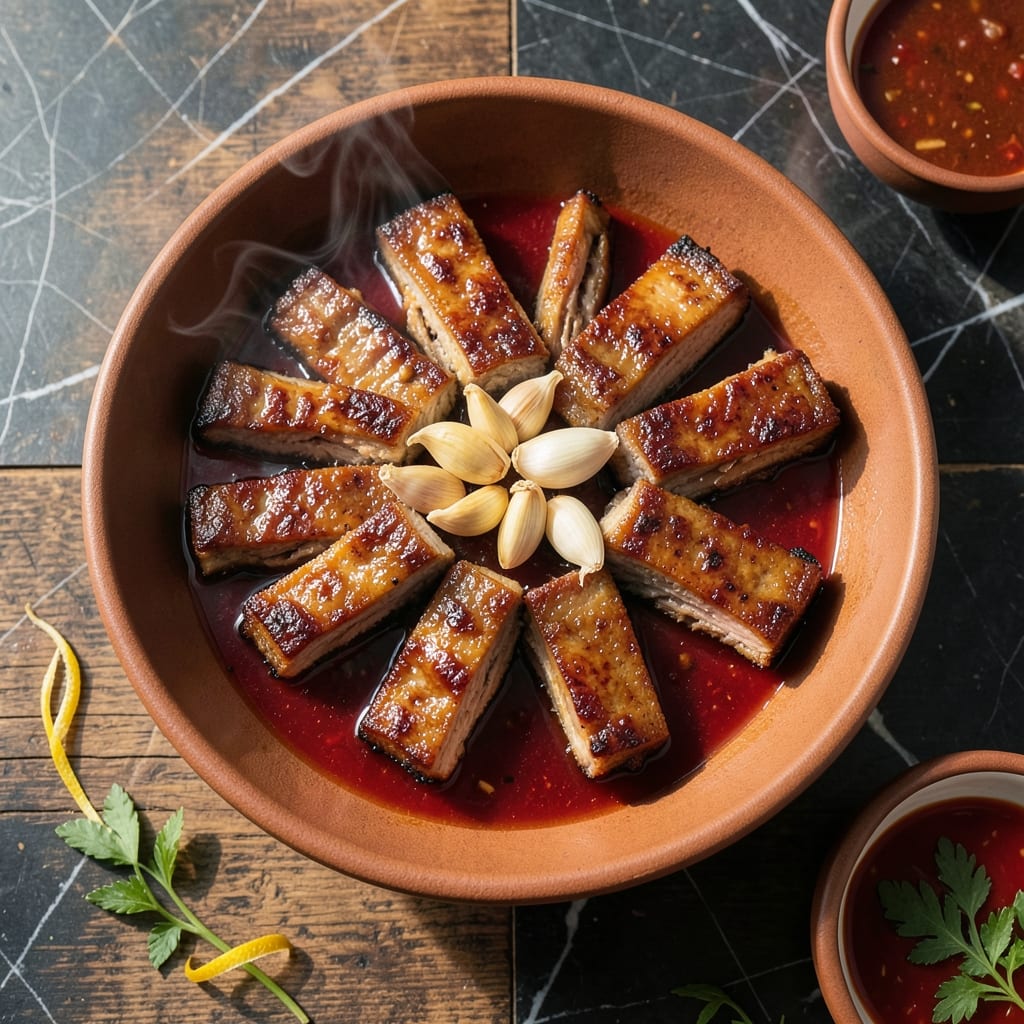
There’s a special satisfaction in achieving tender, fall-off-the-bone ribs without a smoker. This oven method delivers restaurant-quality results with minimal effort.
I developed this technique after years of trial and error, adapting traditional Filipino flavors for the home kitchen. The secret lies in a slow roast that transforms tough cuts into melt-in-your-mouth perfection.
The ribs emerge with a caramelized exterior and juicy interior, infused with the rich, savory notes characteristic of Panlasang Pinoy cooking. Every bite offers the perfect balance of texture and flavor.
Serve with steamed rice to soak up the delicious sauce. This dish proves that authentic taste doesn’t require complicated equipment.
Ingredients for Pork Ribs Oven Recipe Panlasang Pinoy
Pantry staples meet Filipino market finds for these slow-roasted ribs.
| Ingredient | Amount | Notes |
|---|---|---|
| Pork Baby Back Ribs 🥩 | 2 ½ lb | Cut into individual ribs |
| Soy Sauce 🥫 | ¾ cup | Use Filipino brands like Silver Swan |
| Cane Vinegar 🍶 | ¼ cup | Or apple cider vinegar |
| Garlic Cloves 🧄 | 8 cloves | Minced finely |
| Brown Sugar 🍚 | ½ cup | Packed light or dark |
| Banana Ketchup 🍌 | ½ cup | Filipino specialty ingredient |
| Onion 🧅 | 1 whole | Yellow or white, diced |
| Bay Leaves 🌿 | 3 pieces | Dried, whole |
| Black Peppercorns 🌶️ | 1 tsp | Freshly cracked if possible |
| Salt 🧂 | 1 tsp | Diamond Crystal kosher preferred |
| Pineapple Juice 🍍 | ½ cup | For tenderizing and sweetness |
| Calamansi Juice 🍈 | 2 tbsp | Or lime juice substitute |
| Laurel Leaf 🌿 | 2 pieces | Optional for depth |
The ribs are everything here. Baby back ribs give you that perfect meat-to-bone ratio—avoid the huge spare ribs. Hit up an Asian market for the good stuff: Silver Swan soy sauce, banana ketchup (Jufran is my go-to), and calamansi if you can find it. Look for ribs with good marbling—fat equals flavor in this slow roast. Don’t skip the vinegar; it’s what cuts through all that richness.
No banana ketchup? Regular ketchup plus a mashed ripe banana gets you surprisingly close. Out of calamansi? Lime juice at half the amount works. Cane vinegar can be swapped for apple cider vinegar (same tang, slightly different funk). If you’re missing pineapple juice, orange juice with a splash of vinegar mimics the sweet-tart balance. The brown sugar can be light or dark—your call.
Marinate overnight if you’ve got the time (worth it). Cooked ribs keep 4-5 days in the fridge, reheat gently in the oven. The sauce thickens as it cools—perfect for smothering that rice. Freezes beautifully for up to 3 months.
Why You’ll Love This Recipe
- Hands-Off Cooking: I just mix soy sauce, vinegar, garlic, and brown sugar, then let the oven do all the work.
- Sweet-Savory Magic: The brown sugar caramelizes with the soy and vinegar into this sticky, finger-licking glaze on the ribs.
- Feeds My Crowd: One slab of baby back ribs stretches easily for family dinner or a casual get-together with friends.
- Leftovers for Days: Honestly, these taste even better the next day—tender, flavorful, and perfect for quick lunches.
Step-by-Step Instructions for Filipino-Style Oven Ribs
This method delivers tender ribs with that signature sweet-savory Filipino flavor you love.
Step 1: Marinate the Ribs with Bold Flavors
In a large bowl, combine the 2.5 lb Pork Baby Back Ribs with 0.75 cup Soy Sauce, 0.25 cup Cane Vinegar, minced 8 cloves Garlic Cloves, 0.5 cup Brown Sugar, and 0.5 cup Banana Ketchup. I use my hands to massage the marinade into every rib—this ensures even coverage and maximum flavor penetration.
Add the diced 1 whole Onion, 3 pieces Bay Leaves, 1 tsp Black Peppercorns, 1 tsp Salt, 0.5 cup Pineapple Juice, and 2 tbsp Calamansi Juice. The pineapple juice works as a natural tenderizer while adding subtle sweetness. Cover and refrigerate for at least 4 hours, but overnight is ideal for the deepest flavor.
Step 2: Arrange and Prep for Oven Braising
Preheat your oven to 325°F. Remove the ribs from the marinade (reserve the marinade) and arrange them meat-side down in a large baking dish. I like to use a dish just big enough to fit all the ribs snugly—this prevents them from drying out during cooking.
Pour the reserved marinade over the ribs, ensuring they’re mostly submerged. Add the 2 pieces Laurel Leaf for an extra layer of aromatic depth. Cover the dish tightly with aluminum foil. This sealed environment traps steam, which is crucial for breaking down the connective tissues in the ribs.
Step 3: Slow-Braise for Maximum Tenderness
Braise the ribs in the preheated oven for 2 to 2.5 hours. The low-and-slow method is non-negotiable here—it’s what transforms tough ribs into fall-off-the-bone perfection. Halfway through cooking, carefully flip the ribs meat-side up and baste them with the braising liquid.
You’ll know they’re done when the meat shrinks back from the ends of the bones by about ¼ inch and a fork slides in with almost no resistance. The braising liquid should have reduced slightly and taken on a glossy, caramelized appearance from the brown sugar.
Step 4: Finish with a Glossy Glaze
Remove the foil and increase the oven temperature to 400°F. Return the ribs to the oven, uncovered, for 10-15 minutes to allow the sauce to reduce and caramelize slightly. This step creates that beautiful, sticky glaze that coats each rib.
Keep a close eye during this final stage—the sugars in the marinade can burn quickly. Baste the ribs one more time with the thickened sauce before removing them from the oven. The finished ribs should have a deep mahogany color with a glossy, finger-licking sheen.
Pro Tips For Making Pork Ribs Oven Recipe Panlasang Pinoy
- Preheat the Oven: I learned this the hard way—start with a 375°F (190°C) oven to caramelize the brown sugar and soy sauce properly without drying out the ribs.
- Score the Ribs: Make shallow cuts between the bones before marinating so the soy sauce, vinegar, and garlic penetrate deeper, giving every bite that rich, tangy flavor.
- Don’t Skip the Vinegar: After burning a batch once, I realized cane vinegar balances the sweetness of the brown sugar and cuts through the richness of the pork—skip it and the dish tastes flat.
- Baste Twice: Halfway through baking, brush the ribs with the pan juices—this builds layers of sticky, savory-sweet glaze that clings to every rib.
Essential Equipment for pork ribs oven recipe panlasang pinoy
Baking Dish Essentials
For this recipe, I use a 9×13-inch glass baking dish—it’s the perfect size for 2.5 lb of ribs and allows for even cooking. The glass lets me monitor the color of the sauce without opening the oven. Look for one with high sides to prevent spills during basting. 💡
Aluminum Foil Matters
Heavy-duty aluminum foil is non-negotiable for sealing in moisture. I learned this the hard way when regular foil tore during cooking. Press it tightly around the edges of your dish to create a proper seal. This traps the steam that tenderizes the meat.
Measuring Tools
Accurate measurements make a difference with these bold Filipino flavors. I use Pyrex measuring cups for liquids and a digital kitchen scale for the ribs. The marinade ingredients, especially the 0.75 cup soy sauce and 0.5 cup brown sugar, need precise ratios.
Basting Brush
A silicone pastry brush is ideal for applying the sauce during cooking. It handles the thick, sticky marinade better than nylon brushes. I keep one dedicated just for meat to avoid cross-contamination. The heat-resistant silicone won’t melt under 400°F oven temps.
Thermometer Check
While not traditional, I always use my instant-read thermometer to confirm doneness. The ribs are perfect when they reach 195-203°F internally. This takes the guesswork out of the “fork test” and ensures consistent results every time.
Serving Tools
Have tongs and a sharp chef’s knife ready for serving. The tongs help transfer ribs without losing meat, while the knife cuts between bones if needed. I also keep extra sauce warm in a small pot for serving over rice.
Nutrition Facts
Frequently Asked Questions
What if I don’t have banana ketchup?
Regular ketchup plus a mashed ripe banana works as a great substitute. The banana adds the signature sweetness while the ketchup provides the tangy base.
Can I use a different vinegar?
Yes, apple cider vinegar is a perfect stand-in for cane vinegar. It offers the same tangy brightness to balance the rich, sweet flavors in the marinade.
How do I know when the ribs are done?
The meat should shrink back from the bones by ¼ inch and reach 195-203°F internally. A fork should slide in with almost no resistance.
How long can I store leftovers?
Cooked ribs keep for 4-5 days in the fridge. For longer storage, freeze them for up to 3 months. Reheat gently in the oven to maintain tenderness.

- Potato Chip Cookie Recipe With Pecans: Buttery Crunch Meets Nutty Richness - October 30, 2026
- Potato Patty Recipe No Egg: Crispy Edges Without the Binder - October 30, 2026
- Paula Deen’s Potato Chip Cookies Recipe: Salty-Sweet Crunch in Every Bite - October 30, 2026