
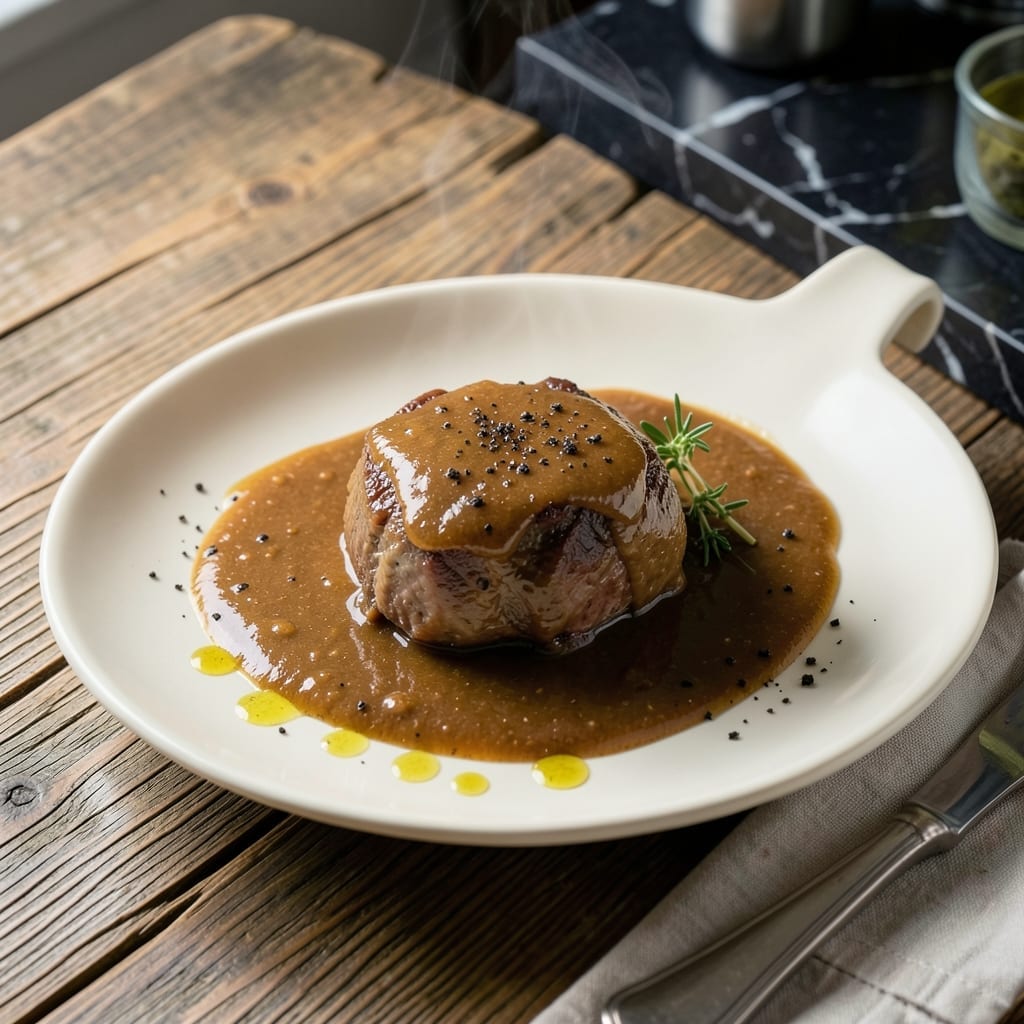
Mastering gravy without drippings is simpler than you think, and this recipe delivers rich, velvety results every time. I developed this method after years of making pork roast without enough pan juices to spare.
The foundation is a flavorful stock base enhanced with pork flavorings. A roux creates the perfect thickened consistency, while a splash of vinegar adds depth to mimic traditional drippings.
You’ll achieve a smooth, savory gravy that pairs beautifully with roasted meats or mashed potatoes. The process takes 20 minutes and uses pantry staples you likely already have.
Store in an airtight container in the fridge for up to 5 days or freeze for longer storage. This gravy reheats beautifully without separating.
Ingredients for Pork Roast Gravy Recipe Without Drippings
Pantry staples transform into a velvety, pork-infused gravy with no drippings needed.
| Ingredient | Amount | Notes |
|---|---|---|
| Pork Stock 🍲 | 2 cups | Low-sodium preferred for control |
| Unsalted Butter 🧈 | ¼ cup | For rich roux base |
| All-Purpose Flour 🌾 | ¼ cup | Creates smooth thickening |
| Pork Bouillon Powder 🥩 | 1 tsp | Boosts meaty depth |
| Apple Cider Vinegar 🍏 | 1 tbsp | Adds tangy brightness |
| Worcestershire Sauce 🫒 | 1 tbsp | Enhances umami complexity |
| Garlic Powder 🧄 | ½ tsp | Balances savory notes |
| Onion Powder 🧅 | ½ tsp | Adds aromatic foundation |
| Black Pepper 🌶️ | ½ tsp | Freshly ground preferred |
| Kosher Salt 🧂 | ½ tsp | Adjust to taste |
The stock is everything here. Better Than Bouillon pork base (mixed with hot water) works in a pinch, but homemade stock gives that deep, clean flavor. I grab mine from Whole Foods if I’m not making it from scratch. The vinegar might seem odd, but that splash of acidity mimics what you’d get from deglazing a real pork pan—apple cider adds a subtle fruitiness that pairs perfectly with pork.
No pork stock? Chicken stock plus an extra teaspoon of bouillon powder gets you close. Want it gluten-free? Swap the flour for cornstarch (same amount, but whisk into cold stock first). Skip the Worcestershire? A dash of soy sauce adds similar depth. The vinegar is non-negotiable though—it’s what makes this taste like it came from actual drippings.
This keeps 5 days in the fridge or 3 months frozen. Reheat gently with a splash of water if it thickens too much. I always make a double batch—it’s that good on mashed potatoes, biscuits, or even as a sandwich dip.
Why You’ll Love This Recipe
- No Drippings Needed: I can make rich gravy any time with just pork stock and bouillon—no roasting required.
- Deep Umami Punch: The apple cider vinegar cuts through the pork stock for that tangy, savory depth I crave.
- Sunday Roast Rescue: Honestly, this saves my dinner when the roast pan is bone dry but I still want gravy.
- Pantry-Staple Hero: Butter, flour, and bouillon mean I’m never more than 15 minutes away from silky, luxurious gravy.
Step-by-Step Instructions for Pork Roast Gravy Without Drippings
Here’s how to build deep flavor and silky texture from scratch.
Step 1: Create the Roux Base
Melt the 0.25 cup Unsalted Butter in a heavy saucepan over medium heat. I prefer a light-colored pan so I can monitor the color change accurately. The butter should foam but not brown—this is your foundation for a smooth, lump-free gravy.
Once melted, whisk in the 0.25 cup All-Purpose Flour all at once. Keep whisking constantly for 2-3 minutes until the mixture turns a light golden color and smells nutty. This cooking process removes the raw flour taste that would otherwise make your gravy taste grainy.
Watch the heat carefully here. If it’s too high, the roux will darken too quickly and could burn. You want a blonde roux for this gravy—just enough color to develop flavor without overpowering the pork notes.
Step 2: Build Flavor Layers
Slowly pour in the 2 cups Pork Stock while whisking vigorously. I add it in a thin stream to prevent lumps from forming. The mixture will thicken immediately as the stock hits the hot roux, then thin out as you continue adding liquid.
Stir in the 1 tsp Pork Bouillon Powder, 0.5 tsp Garlic Powder, 0.5 tsp Onion Powder, 0.5 tsp Kosher Salt, and 0.5 tsp Black Pepper. These dry ingredients dissolve easily in the warm liquid, creating a well-seasoned base that tastes like it’s been simmering for hours.
Bring the mixture to a gentle simmer. You’ll notice it start to thicken as it heats, coating the back of your spoon. This is the roux doing its work, transforming from a thin liquid into a velvety sauce.
Step 3: Add Depth and Balance
Reduce the heat to medium-low and stir in the 1 tbsp Worcestershire Sauce and 1 tbsp Apple Cider Vinegar. The Worcestershire adds a complex umami depth that mimics the richness you’d normally get from meat drippings.
The apple cider vinegar might seem unusual, but it brightens all the flavors without making the gravy taste vinegary. I’ve found this small addition cuts through the richness and makes the pork flavor pop in a way that’s surprisingly authentic.
Simmer for 5-7 minutes, stirring occasionally, until the gravy reaches your desired consistency. It should coat the back of a spoon and drip slowly when you lift it. If it’s too thick, add a splash more stock; if too thin, simmer a bit longer.
Step 4: Finish and Serve
Taste and adjust the seasoning. I often find it needs a touch more salt, but remember the bouillon powder already adds some sodium. The flavors should be balanced—savory with a hint of tang, and rich without being greasy.
For the smoothest texture, I strain the gravy through a fine-mesh sieve. This catches any bits of roux that might have formed, leaving you with a perfectly silky sauce. Press gently on the solids to extract all the flavor.
Serve immediately while hot. The gravy will thicken slightly as it cools, so if you’re making it ahead, keep it warm over very low heat or thin with a little extra stock before serving. This makes enough to generously coat 4 servings of pork roast or mashed potatoes.
Pro Tips For Making Pork Roast Gravy Recipe Without Drippings
- Whisk Constantly: Keep that whisk moving the entire time you add the flour to the butter—about 2-3 minutes. I learned this the hard way after ending up with lumpy gravy that looked like wallpaper paste.
- Use Cold Stock: Pour in cold pork stock instead of warm to create a smoother, more controlled thickening. Warm stock can cause the roux to seize up and turn gloppy.
- Skip the Clumps: Sift your all-purpose flour before mixing it into the butter. Sounds tedious, but it prevents those little white lumps that ruin the texture.
- Balance the Vinegar: Add the apple cider vinegar at the very end and taste as you go—start with 1 teaspoon. Too much too early can make the gravy taste harsh instead of rich.
Dietary Considerations for This pork roast gravy recipe without drippings
Gluten-Free Option
Swap the all-purpose flour for cornstarch using the same amount. Mix the cornstarch with ¼ cup cold water before adding to the warm stock. This slurry method prevents lumps and gives you the same thick consistency. I’ve tested this with Bob’s Red Mill cornstarch and it works perfectly. 💪
Dairy-Free Adaptation
Replace the butter with olive oil or a dairy-free margarine like Earth Balance. The roux will have a slightly different flavor profile but still creates a smooth base. I find the olive oil version adds a subtle fruity note that complements the pork beautifully.
Low-Sodium Version
Use homemade pork stock or low-sodium store-bought and reduce the bouillon powder to ½ tsp. Skip the added kosher salt and adjust at the end. I grab low-sodium stock from New Seasons Market when I’m in a pinch. This keeps the flavor rich without excess salt. 🌱
Vegan Alternative
Use vegetable stock instead of pork stock and mushroom-based bouillon for depth. The Worcestershire sauce should be vegan (Annie’s brand works). The vinegar and umami-rich ingredients still create a satisfying, meaty flavor that pairs well with plant-based roasts.
Allergen Notes
This recipe is naturally free of nuts, eggs, and soy if you use soy-free Worcestershire sauce. For wheat allergies, the cornstarch substitution works perfectly. Always check labels on your stock and bouillon to ensure they’re free of your specific allergens.
Nutrition Facts
Frequently Asked Questions
What can I substitute for pork stock?
Use chicken stock with an extra 1 tsp bouillon powder for similar depth. For a vegetarian version, mushroom stock works well to mimic the meaty flavor.
Why add vinegar to the gravy?
The apple cider vinegar brightens flavors and mimics the natural acidity found in traditional meat drippings. It balances richness without tasting sour.
How do I fix lumps in my gravy?
Strain through a fine-mesh sieve or whisk vigorously while heating. For prevention, slowly add stock to the roux while whisking constantly.
Can I make this ahead of time?
Yes! Store in an airtight container for up to 5 days in the fridge. Reheat gently with a splash of water if it thickens too much.

- Potato Patty Recipe No Egg: Crispy Edges Without the Binder - October 30, 2026
- Paula Deen’s Potato Chip Cookies Recipe: Salty-Sweet Crunch in Every Bite - October 30, 2026
- Potato Gnocchi Recipe Ideas: Pillowy Soft Dumplings With Rustic Charm - October 30, 2026