
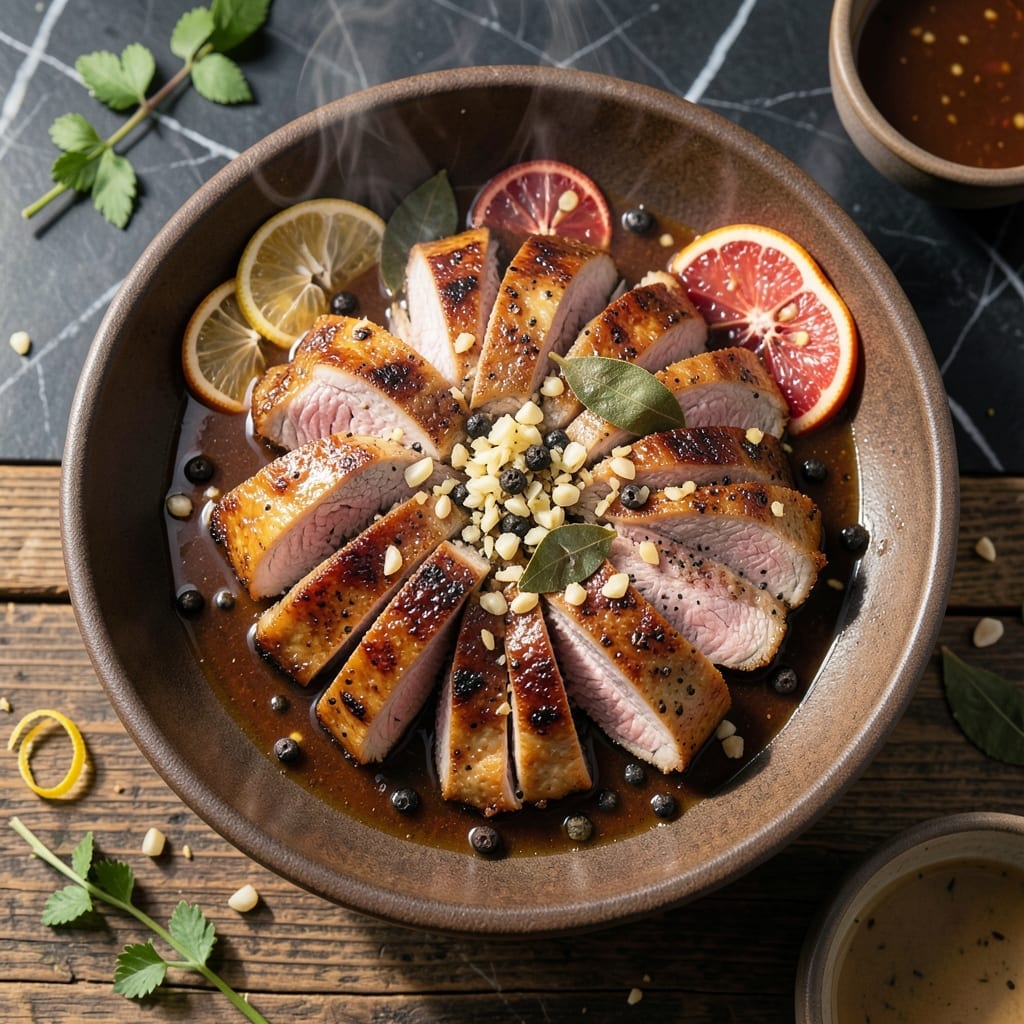
Pork Tenderloin Recipe Panlasang Pinoy: Filipino-Style Savory Roast

Pork Tenderloin Recipe Panlasang Pinoy: Filipino-Style Savory Roast

This Filipino-style pork tenderloin delivers tender, flavorful results with a perfect balance of savory and slightly sweet notes. The marinade combines classic soy sauce, calamansi, and garlic for an authentic taste that’s both comforting and impressive.

I’ve refined this method to ensure the meat stays juicy while developing a caramelized crust. A short marinating time and high-heat searing lock in moisture, making it ideal for a weeknight dinner or special occasions.

The dish comes together quickly with simple ingredients, yet the depth of flavor rivals any restaurant version. The aroma alone will have everyone gathered around the table before it’s even done.

Serve it with steamed rice and a side of atchara for a complete, satisfying meal. This is Filipino home cooking at its best.

👨‍🍳
Difficulty
Medium
🥩
Diet
Meat
⏱️
Total Time
30 min
🔥
Calories
Med Cal

Ingredients for Pork Tenderloin Recipe Panlasang Pinoy

Eleven simple ingredients transform into this Filipino-style pork tenderloin with restaurant-quality depth.

Ingredient Amount Notes
Pork Tenderloin 🥩 1 ½ lb Trimmed of silver skin
Soy Sauce 🫒 ½ cup Filipino brand preferred
Calamansi Juice 🍋 ¼ cup Freshly squeezed or bottled
Garlic Cloves 🧄 8 cloves Minced for marinade
Brown Sugar 🧈 2 tbsp Packed, for caramelization
Black Peppercorns 🌶️ 1 tsp Freshly cracked preferred
Bay Leaves 🍃 2 whole Dried, for marinade
Onion 🧅 1 whole Yellow, thinly sliced
Vegetable Oil 🛢️ 2 tbsp High smoke point for searing
Water 💧 ¼ cup For marinade balance
Salt 🧂 1 tsp Kosher or sea salt

The pork tenderloin should be fresh and pale pink with minimal fat. Whole Foods or Filipino markets often carry quality cuts. For soy sauce, Silver Swan or Datu Puti are authentic Filipino brands that deliver the right balance of salt and umami. Calamansi can be tricky—Asian grocery stores usually stock it fresh or bottled. If unavailable, a mix of lime and orange juice works in a pinch.

No calamansi? Use equal parts lime and orange juice. Out of brown sugar? Coconut sugar at the same amount adds a deeper caramel note. If you prefer a stronger garlic punch, use 10 cloves instead of 8. For a gluten-free version, swap soy sauce for tamari or coconut aminos. The bay leaves can be fresh if you have access to them.

Marinate the pork for at least 2 hours for optimal flavor penetration. Leftovers keep in the fridge for 3-4 days or freeze for up to 3 months. Reheat gently to avoid drying out the meat. The marinade can also be prepped a day ahead—just combine everything except the pork.

❤️

Why You’ll Love This Recipe

  • One Pan Wonder: I just toss the tenderloin with soy sauce, calamansi, and garlic, then let the oven do the work.
  • Sweet-Savory Magic: The brown sugar caramelizes with the soy and calamansi for that sticky, tangy glaze I can’t resist.
  • Feeds the Crowd: This tenderloin stretches for family dinners or potlucks without breaking the bank.
  • Leftovers? Yes Please: It tastes even better the next day—sliced thin over rice or stuffed in a sandwich.

Step-by-Step Instructions for Filipino-Style Savory Pork Tenderloin

Here’s the method. Tested, reliable, and designed to deliver unmatched tenderness with bold Filipino flavors.

Step 1: Prepare the Pork Tenderloin Marinade

In a large bowl, combine the 0.5 cup soy sauce, 0.25 cup calamansi juice, minced 8 cloves garlic cloves, 2 tbsp brown sugar, 1 tsp black peppercorns, 2 whole bay leaves, and 0.25 cup water. Stir until the brown sugar dissolves completely.

Add the 1.5 lb pork tenderloin to the marinade, ensuring it is fully submerged. Cover and refrigerate for at least 2 hours or, ideally, overnight. This extended marinating time allows the acids and enzymes to break down the meat fibers, ensuring maximum tenderness and flavor penetration.

Step 2: Sear the Pork Tenderloin for Depth of Flavor

Remove the pork tenderloin from the marinade, reserving the marinade for later use. Pat the meat dry with paper towels to ensure a proper sear. Heat the 2 tbsp vegetable oil in a large, oven-safe skillet over medium-high heat until shimmering.

Sear the pork tenderloin on all sides for 2-3 minutes per side until deeply browned. The goal is to develop a rich, caramelized crust while locking in the juices. Avoid moving the meat too soon; wait until it releases naturally from the pan to achieve an even sear.

Step 3: Braise the Pork Tenderloin to Perfection

Reduce the heat to medium-low and pour the reserved marinade into the skillet. Add the thinly sliced 1 whole onion and 1 tsp salt, distributing them evenly around the pork. The liquid should come about halfway up the meat.

Cover the skillet and let it braise for 25-30 minutes, turning the pork tenderloin occasionally to ensure even cooking. The pork is done when an instant-read thermometer inserted into the thickest part registers 145°F and the meat feels tender when pierced with a fork.

Step 4: Rest and Serve for Optimal Tenderness

Transfer the pork tenderloin to a cutting board, tent loosely with foil, and let it rest for 10-15 minutes. This resting period allows the juices to redistribute throughout the meat, ensuring every slice is moist and flavorful.

Slice the pork tenderloin against the grain into ½-inch thick medallions. Spoon the reduced braising liquid and onions over the top to enhance the richness of the dish. Serve immediately with steamed rice or your preferred side dish to soak up the savory sauce.

👨‍🍳

Pro Tips For Making Pork Tenderloin Recipe Panlasang Pinoy

  • Sear First, Simmer Later: Start with a hot pan to brown the pork tenderloin well—this locks in flavor before adding the soy-calamansi marinade. I learned this the hard way after my first few attempts turned out pale and bland.
  • Pound the Meat: Lightly flatten the tenderloin with a rolling pin or knife handle to even thickness—this guarantees it cooks through without drying out the thinner parts.
  • Balance the Calamansi: Use fresh calamansi juice, but taste it first—some can be extremely sour. I now mix it with a teaspoon of brown sugar before adding to the marinade to mellow the sharpness.
  • Rest Before Slicing: Let the pork rest for at least 5 minutes under foil after cooking—this keeps the juices from running all over the cutting board when you slice it. Sounds simple, but it actually changes the outcome.

Regional Styles of This Recipe

Visayan Adobo Style

In the Visayas region, I add ½ cup coconut vinegar to the marinade for a tangier twist. The acidity tenderizes the meat further while giving it that signature Visayan sourness. I also include 1 tbsp crushed peppercorns for extra heat. 🗺️

Bicol Express Fusion

For a Bicol-inspired version, I stir in ½ cup coconut milk and 2 tbsp shrimp paste to the braising liquid. This creates a creamy, umami-rich sauce that pairs beautifully with the pork’s natural sweetness. The aroma is absolutely irresistible.

Tagalog Classic

This is the version most similar to the original recipe, but I often add 1 tsp ground black pepper to the marinade for a stronger bite. Some families also include 1 tbsp fish sauce for an extra layer of umami. It’s the perfect balance of savory and slightly sweet.

Pampanga Sweet Glaze

In Pampanga, I’ve seen this dish finished with a glaze made from ¼ cup brown sugar and 2 tbsp soy sauce reduced in a pan. The glaze is brushed onto the seared pork before serving, giving it a glossy, caramelized finish. The sweetness is next-level.

Ilocos Vinegar Dip

In Ilocos, the pork is often served with a dipping sauce made from ½ cup cane vinegar, 1 minced garlic clove, and 1 tsp salt. This sharp, tangy dip cuts through the richness and adds a refreshing contrast. I always keep some on hand. 💡

Nutrition Facts

Servings 4
Amount Per Serving
Calories 320kcal
% Daily Value
Total Fat 12g15%
Saturated Fat 2g10%
Cholesterol 95mg32%
Sodium 1100mg48%
Total Carbohydrate 12g4%
Dietary Fiber 1g4%
Sugars 8g
Protein 38g76%
Percent Daily Values are based on a 2,000 calorie diet. Your daily values may be higher or lower depending on your calorie needs.

Frequently Asked Questions

1

Can I use a different vinegar if calamansi isn’t available?

Yes! Use a mix of lime and orange juice in equal parts for the closest flavor. Cane vinegar works too, though it’s tangier. Avoid white vinegar—it’s too harsh for this dish.

2

Why is resting the pork important?

Resting for 10-15 minutes lets juices redistribute, ensuring moist, tender slices. Skipping this step can leave meat dry, as juices will spill out when cut.

3

How do I prevent the pork from drying out?

Avoid overcooking—pull it at 145°F. Also, don’t skip the braising step; the liquid keeps it juicy. Sear quickly on medium-high heat to lock in moisture.

4

Can I make this in a slow cooker?

Yes! Sear first, then cook on low for 4-5 hours with the marinade. Check internal temp to avoid overcooking. The texture will be softer but still flavorful.

★★★★★4.8(4 reviews)
Allison Carter

Pork Tenderloin Recipe Panlasang Pinoy: Filipino-Style Savory Roast

Pork Tenderloin Recipe Panlasang Pinoy: Filipino-Style Savory Roast

This Filipino-style pork tenderloin delivers tender, flavorful results with a perfect balance of savory and slightly sweet notes. The marinade combines classic soy sauce, calamansi, and garlic for an authentic taste that’s both comforting and impressive.

I’ve refined this method to ensure the meat stays juicy while developing a caramelized crust. A short marinating time and high-heat searing lock in moisture, making it ideal for a weeknight dinner or special occasions.

The dish comes together quickly with simple ingredients, yet the depth of flavor rivals any restaurant version. The aroma alone will have everyone gathered around the table before it’s even done.

Serve it with steamed rice and a side of atchara for a complete, satisfying meal. This is Filipino home cooking at its best.

👨‍🍳
Difficulty
Medium
🥩
Diet
Meat
⏱️
Total Time
30 min
🔥
Calories
Med Cal

Ingredients for Pork Tenderloin Recipe Panlasang Pinoy

Eleven simple ingredients transform into this Filipino-style pork tenderloin with restaurant-quality depth.

Ingredient Amount Notes
Pork Tenderloin 🥩 1 ½ lb Trimmed of silver skin
Soy Sauce 🫒 ½ cup Filipino brand preferred
Calamansi Juice 🍋 ¼ cup Freshly squeezed or bottled
Garlic Cloves 🧄 8 cloves Minced for marinade
Brown Sugar 🧈 2 tbsp Packed, for caramelization
Black Peppercorns 🌶️ 1 tsp Freshly cracked preferred
Bay Leaves 🍃 2 whole Dried, for marinade
Onion 🧅 1 whole Yellow, thinly sliced
Vegetable Oil 🛢️ 2 tbsp High smoke point for searing
Water 💧 ¼ cup For marinade balance
Salt 🧂 1 tsp Kosher or sea salt

The pork tenderloin should be fresh and pale pink with minimal fat. Whole Foods or Filipino markets often carry quality cuts. For soy sauce, Silver Swan or Datu Puti are authentic Filipino brands that deliver the right balance of salt and umami. Calamansi can be tricky—Asian grocery stores usually stock it fresh or bottled. If unavailable, a mix of lime and orange juice works in a pinch.

No calamansi? Use equal parts lime and orange juice. Out of brown sugar? Coconut sugar at the same amount adds a deeper caramel note. If you prefer a stronger garlic punch, use 10 cloves instead of 8. For a gluten-free version, swap soy sauce for tamari or coconut aminos. The bay leaves can be fresh if you have access to them.

Marinate the pork for at least 2 hours for optimal flavor penetration. Leftovers keep in the fridge for 3-4 days or freeze for up to 3 months. Reheat gently to avoid drying out the meat. The marinade can also be prepped a day ahead—just combine everything except the pork.

❤️

Why You’ll Love This Recipe

  • One Pan Wonder: I just toss the tenderloin with soy sauce, calamansi, and garlic, then let the oven do the work.
  • Sweet-Savory Magic: The brown sugar caramelizes with the soy and calamansi for that sticky, tangy glaze I can’t resist.
  • Feeds the Crowd: This tenderloin stretches for family dinners or potlucks without breaking the bank.
  • Leftovers? Yes Please: It tastes even better the next day—sliced thin over rice or stuffed in a sandwich.

Step-by-Step Instructions for Filipino-Style Savory Pork Tenderloin

Here’s the method. Tested, reliable, and designed to deliver unmatched tenderness with bold Filipino flavors.

Step 1: Prepare the Pork Tenderloin Marinade

In a large bowl, combine the 0.5 cup soy sauce, 0.25 cup calamansi juice, minced 8 cloves garlic cloves, 2 tbsp brown sugar, 1 tsp black peppercorns, 2 whole bay leaves, and 0.25 cup water. Stir until the brown sugar dissolves completely.

Add the 1.5 lb pork tenderloin to the marinade, ensuring it is fully submerged. Cover and refrigerate for at least 2 hours or, ideally, overnight. This extended marinating time allows the acids and enzymes to break down the meat fibers, ensuring maximum tenderness and flavor penetration.

Step 2: Sear the Pork Tenderloin for Depth of Flavor

Remove the pork tenderloin from the marinade, reserving the marinade for later use. Pat the meat dry with paper towels to ensure a proper sear. Heat the 2 tbsp vegetable oil in a large, oven-safe skillet over medium-high heat until shimmering.

Sear the pork tenderloin on all sides for 2-3 minutes per side until deeply browned. The goal is to develop a rich, caramelized crust while locking in the juices. Avoid moving the meat too soon; wait until it releases naturally from the pan to achieve an even sear.

Step 3: Braise the Pork Tenderloin to Perfection

Reduce the heat to medium-low and pour the reserved marinade into the skillet. Add the thinly sliced 1 whole onion and 1 tsp salt, distributing them evenly around the pork. The liquid should come about halfway up the meat.

Cover the skillet and let it braise for 25-30 minutes, turning the pork tenderloin occasionally to ensure even cooking. The pork is done when an instant-read thermometer inserted into the thickest part registers 145°F and the meat feels tender when pierced with a fork.

Step 4: Rest and Serve for Optimal Tenderness

Transfer the pork tenderloin to a cutting board, tent loosely with foil, and let it rest for 10-15 minutes. This resting period allows the juices to redistribute throughout the meat, ensuring every slice is moist and flavorful.

Slice the pork tenderloin against the grain into ½-inch thick medallions. Spoon the reduced braising liquid and onions over the top to enhance the richness of the dish. Serve immediately with steamed rice or your preferred side dish to soak up the savory sauce.

👨‍🍳

Pro Tips For Making Pork Tenderloin Recipe Panlasang Pinoy

  • Sear First, Simmer Later: Start with a hot pan to brown the pork tenderloin well—this locks in flavor before adding the soy-calamansi marinade. I learned this the hard way after my first few attempts turned out pale and bland.
  • Pound the Meat: Lightly flatten the tenderloin with a rolling pin or knife handle to even thickness—this guarantees it cooks through without drying out the thinner parts.
  • Balance the Calamansi: Use fresh calamansi juice, but taste it first—some can be extremely sour. I now mix it with a teaspoon of brown sugar before adding to the marinade to mellow the sharpness.
  • Rest Before Slicing: Let the pork rest for at least 5 minutes under foil after cooking—this keeps the juices from running all over the cutting board when you slice it. Sounds simple, but it actually changes the outcome.

Regional Styles of This Recipe

Visayan Adobo Style

In the Visayas region, I add ½ cup coconut vinegar to the marinade for a tangier twist. The acidity tenderizes the meat further while giving it that signature Visayan sourness. I also include 1 tbsp crushed peppercorns for extra heat. 🗺️

Bicol Express Fusion

For a Bicol-inspired version, I stir in ½ cup coconut milk and 2 tbsp shrimp paste to the braising liquid. This creates a creamy, umami-rich sauce that pairs beautifully with the pork’s natural sweetness. The aroma is absolutely irresistible.

Tagalog Classic

This is the version most similar to the original recipe, but I often add 1 tsp ground black pepper to the marinade for a stronger bite. Some families also include 1 tbsp fish sauce for an extra layer of umami. It’s the perfect balance of savory and slightly sweet.

Pampanga Sweet Glaze

In Pampanga, I’ve seen this dish finished with a glaze made from ¼ cup brown sugar and 2 tbsp soy sauce reduced in a pan. The glaze is brushed onto the seared pork before serving, giving it a glossy, caramelized finish. The sweetness is next-level.

Ilocos Vinegar Dip

In Ilocos, the pork is often served with a dipping sauce made from ½ cup cane vinegar, 1 minced garlic clove, and 1 tsp salt. This sharp, tangy dip cuts through the richness and adds a refreshing contrast. I always keep some on hand. 💡

Nutrition Facts

Servings 4
Amount Per Serving
Calories 320kcal
% Daily Value
Total Fat 12g15%
Saturated Fat 2g10%
Cholesterol 95mg32%
Sodium 1100mg48%
Total Carbohydrate 12g4%
Dietary Fiber 1g4%
Sugars 8g
Protein 38g76%
Percent Daily Values are based on a 2,000 calorie diet. Your daily values may be higher or lower depending on your calorie needs.

Frequently Asked Questions

1

Can I use a different vinegar if calamansi isn’t available?

Yes! Use a mix of lime and orange juice in equal parts for the closest flavor. Cane vinegar works too, though it’s tangier. Avoid white vinegar—it’s too harsh for this dish.

2

Why is resting the pork important?

Resting for 10-15 minutes lets juices redistribute, ensuring moist, tender slices. Skipping this step can leave meat dry, as juices will spill out when cut.

3

How do I prevent the pork from drying out?

Avoid overcooking—pull it at 145°F. Also, don’t skip the braising step; the liquid keeps it juicy. Sear quickly on medium-high heat to lock in moisture.

4

Can I make this in a slow cooker?

Yes! Sear first, then cook on low for 4-5 hours with the marinade. Check internal temp to avoid overcooking. The texture will be softer but still flavorful.

★★★★★4.8(4 reviews)
Allison Carter