
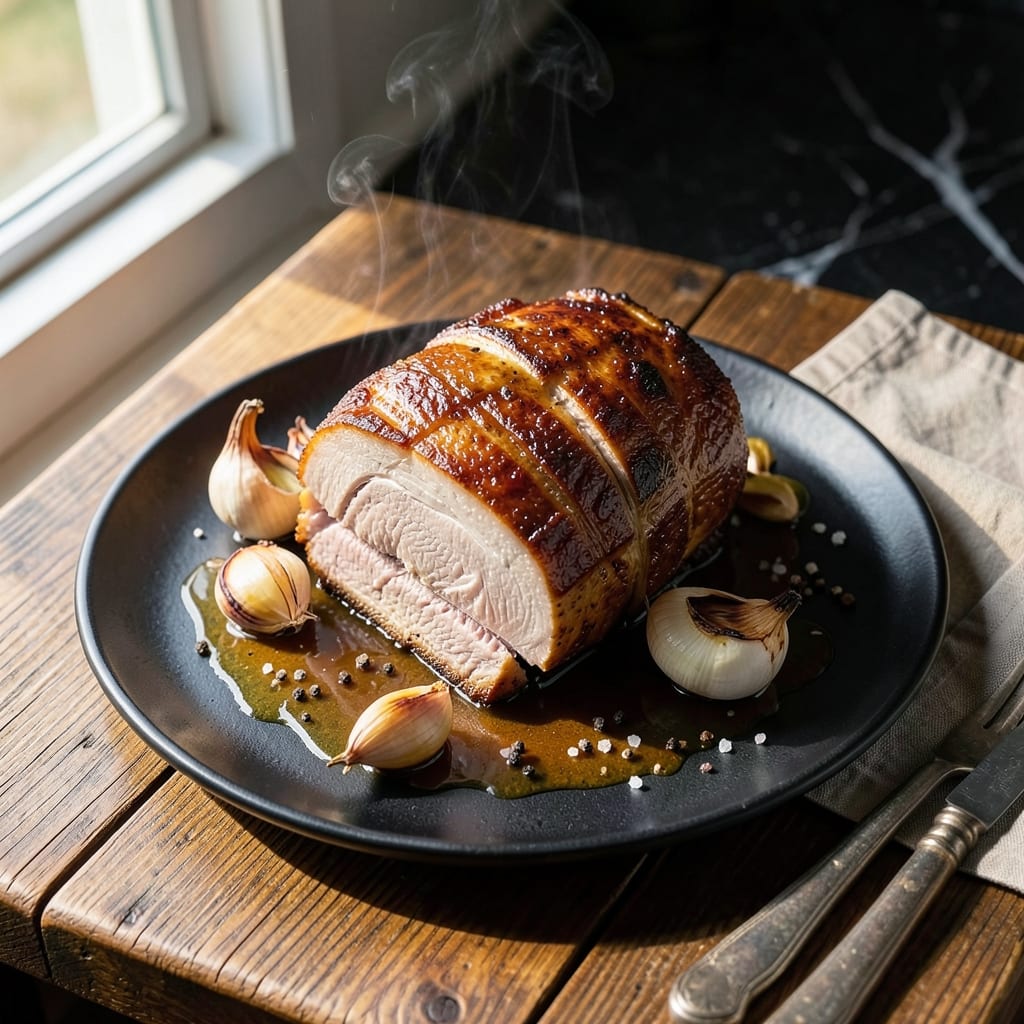
I discovered this method during a chilly Portland weekend, seeking to elevate a simple pork roast with minimal effort. The apple cider vinegar adds a subtle tang that tenderizes the meat while enhancing its natural richness.
Slow-cooking at a low temperature ensures the pork stays juicy and tender, allowing the vinegar to mellow into a complex depth of flavor. A few aromatic ingredients complement the vinegar without overpowering it.
What emerges is a fall-apart tender roast with a glaze that balances sweet and tangy notes. The vinegar cuts through the pork’s richness, creating a dish that feels both comforting and refined.
Perfect for Sunday dinners or special occasions, this recipe delivers restaurant-quality results with hands-off simplicity.
Ingredients for Pork Roast Recipe Apple Cider Vinegar
Pork shoulder, vinegar, and aromatics transform into a tender, restaurant-quality roast with minimal effort.
| Ingredient | Amount | Notes |
|---|---|---|
| Pork Shoulder Roast 🐖 | 3 lb | Bone-in preferred for flavor |
| Apple Cider Vinegar 🍏 | ¾ cup | Raw, unfiltered for best flavor |
| Brown Sugar 🍚 | ¼ cup | Light or dark, packed |
| Kosher Salt 🧂 | 1 ½ tsp | Diamond Crystal preferred |
| Freshly Ground Black Pepper 🌶️ | 1 tsp | Coarse grind for texture |
| Garlic Cloves 🧄 | 6 cloves | Smashed, not minced |
| Yellow Onion 🧅 | 1 whole | Thickly sliced for slow cooking |
| Fresh Rosemary Sprigs 🌿 | 3 pieces | Woody stems removed |
| Fresh Thyme Sprigs 🍃 | 4 pieces | Leaves stripped from stems |
| Dijon Mustard 🟡 | 2 tbsp | Whole-grain for texture |
| Olive Oil 🫒 | 2 tbsp | Extra-virgin for richness |
| Low-Sodium Chicken Broth 🥣 | 1 cup | Or substitute vegetable broth |
| Bay Leaves 🌿 | 2 pieces | Dried, whole leaves |
The pork shoulder is non-negotiable for this dish—bone-in, well-marbled cuts from Whole Foods or a trusted butcher yield the best results. Avoid lean cuts like tenderloin, as they dry out during slow cooking. Apple cider vinegar should be raw and unfiltered (look for the ‘mother’ in the bottle) for maximum depth. Bragg is a reliable brand. Fresh herbs are ideal, but dried can work in a pinch (use one-third the amount).
No apple cider vinegar? White wine vinegar with a teaspoon of sugar mimics the sweetness, though the flavor will be sharper. Brown sugar substitutes include maple syrup or honey, but adjust quantities to taste. For the broth, homemade stock elevates the dish, but store-bought (like Better Than Bouillon) works fine. Out of fresh herbs? Dried rosemary and thyme are acceptable, but reduce the quantity by two-thirds.
This roast tastes even better the next day. Store leftovers in an airtight container in the fridge for up to 4 days, or freeze for 3 months. Reheat gently in a covered dish with a splash of broth to maintain moisture. The vinegar mellows over time, deepening the flavor profile.
Why You’ll Love This Recipe
- Set It and Forget: I toss the pork shoulder with apple cider vinegar, brown sugar, salt, and pepper, then let the oven do the work.
- Sweet-Tangy Magic: The vinegar cuts through the richness while the brown sugar caramelizes into a sticky glaze.
- Feeds the Weekend: I make this Saturday morning and we graze on it for sandwiches and tacos through Monday.
- Budget Hero: A pork shoulder is cheap, and this recipe stretches it into multiple meals without tasting like leftovers.
Step-by-Step Instructions for Pork Roast With Apple Cider Vinegar
This method ensures tender meat with a tangy, caramelized exterior every time.
Step 1: Sear and Season the Pork Shoulder
Pat the 3 lb Pork Shoulder Roast dry with paper towels, then season generously with the 1.5 tsp Kosher Salt and 1 tsp Freshly Ground Black Pepper. This creates a flavorful crust and helps the meat retain moisture during cooking.
Heat the 2 tbsp Olive Oil in a Dutch oven over medium-high heat. When the oil shimmers, add the pork shoulder and sear for 4-5 minutes per side until deeply browned. This step develops the Maillard reaction, creating complex flavors that define the finished dish.
Step 2: Build the Aromatic Base
Remove the pork and set aside. In the same pot, add the 1 whole Yellow Onion (thickly sliced), 6 cloves Garlic Cloves (smashed), 3 pieces Fresh Rosemary Sprigs, and 4 pieces Fresh Thyme Sprigs. Sauté for 3-4 minutes until the onions soften and release their sweetness.
Add the 2 tbsp Dijon Mustard and stir for 1 minute to bloom its flavors. The mustard’s acidity balances the richness of the pork while adding depth to the braising liquid. Watch for the mixture to become fragrant—this signals the aromatics are ready.
Step 3: Deglaze and Braise the Pork
Pour in the 0.75 cup Apple Cider Vinegar, scraping the browned bits from the bottom of the pot. These fond particles dissolve into the liquid, infusing it with concentrated pork flavor. Add the 0.25 cup Brown Sugar, 1 cup Low-Sodium Chicken Broth, and 2 pieces Bay Leaves, stirring until the sugar dissolves.
Return the pork to the pot, ensuring it’s mostly submerged in the liquid. Bring to a simmer, then reduce heat to low. Cover and cook for 2.5 to 3 hours, turning the pork occasionally, until it’s fork-tender and the liquid has reduced to a syrupy consistency.
Step 4: Reduce and Serve
Once the pork is tender, remove it from the pot and set aside to rest. Simmer the braising liquid uncovered over medium heat for 10-15 minutes until it thickens into a glossy sauce that coats the back of a spoon.
Slice or shred the pork and return it to the pot to coat in the reduced sauce. The apple cider vinegar’s tanginess should now be mellowed into a rich, balanced glaze. Serve immediately, ensuring each portion includes some of the aromatic onions and herbs for maximum flavor impact.
Pro Tips For Making Pork Roast Recipe Apple Cider Vinegar
- Sear the Pork First: I learned this the hard way—skipping the sear leaves the roast pale and bland. Get your pan screaming hot and brown that pork shoulder well on all sides before adding liquids.
- Use Real Cider Vinegar: Skip the distilled stuff; raw, unfiltered apple cider vinegar adds depth and tang that brightens the whole dish.
- Don’t Rush the Rest: After pulling it from the oven, tent the pork loosely with foil and let it rest 15 minutes—any less and the juices spill out onto the cutting board.
- Add Sugar Late: Stir the brown sugar into the vinegar mixture only after the pork is seared; adding it earlier can cause burning and a bitter taste.
Wine and Beer Pairings for pork roast recipe apple cider vinegar
White Wine Pairings
An off-dry Riesling from Washington State pairs beautifully with this dish. Its slight sweetness balances the tangy vinegar while its crisp acidity cuts through the pork’s richness. I love Chateau Ste. Michelle for its consistent quality and approachable price point. 🍷
Red Wine Options
A medium-bodied Pinot Noir from Oregon’s Willamette Valley complements the pork’s savory depth. The Domaine Drouhin offers earthy notes that harmonize with the rosemary and thyme. Serve slightly chilled for best results.
Craft Beer Selections
For beer lovers, a brown ale like Deschutes Brewing’s Mirror Pond brings caramel notes that echo the brown sugar in the recipe. The malt sweetness plays off the vinegar’s tang while the moderate hop bitterness cleanses the palate. 🍺
Cider Pairings
A dry hard cider from Portland’s Portland Cider Company offers a local twist. The Sorta Sweet variety has just enough residual sugar to stand up to the vinegar in the dish without being cloying.
Non-Alcoholic Option
For a non-alcoholic pairing, try sparkling apple cider from Martinelli’s. Its effervescence and natural sweetness mirror the dish’s flavors while providing a refreshing contrast to the rich pork.
Nutrition Facts
Frequently Asked Questions
Can I use a different cut of pork?
Pork shoulder works best for its marbling, but pork butt is a good substitute. Avoid lean cuts like tenderloin as they dry out during long cooking.
Why does the vinegar taste harsh at first?
The vinegar mellows significantly during the 2.5-3 hour braise. Its sharpness transforms into a balanced tang that complements the pork’s richness.
How do I prevent the sauce from being too thin?
Uncover and simmer the braising liquid for 10-15 minutes after removing the pork. This reduces it to a glossy, spoon-coating consistency.
Can I make this in a slow cooker?
Yes! Sear the pork first, then cook on low for 8 hours. Add the vinegar mixture and herbs as directed.

- Potato Patty Recipe No Egg: Crispy Edges Without the Binder - October 30, 2026
- Paula Deen’s Potato Chip Cookies Recipe: Salty-Sweet Crunch in Every Bite - October 30, 2026
- Potato Gnocchi Recipe Ideas: Pillowy Soft Dumplings With Rustic Charm - October 30, 2026