
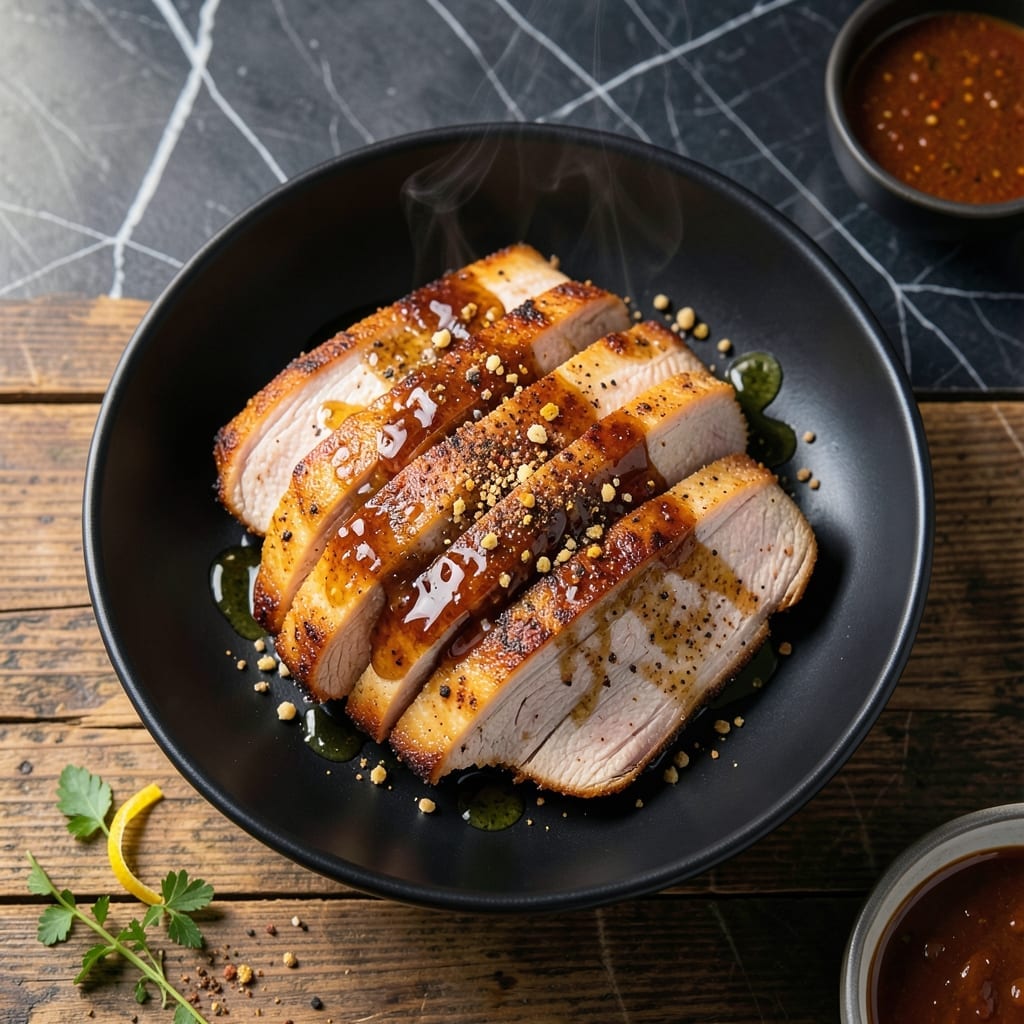
This oven-baked pork roll delivers golden crisp edges and savory juiciness without the stovetop fuss. A proven method for consistent results every time.
I developed this technique testing multiple batches in my small Boston kitchen, focusing on even cooking and maximum caramelization. The oven does most of the work while you prepare the rest of the meal.
The result is pork with a shatteringly crisp exterior giving way to tender, flavorful meat inside. No flipping required, no uneven cooking, just reliable perfection.
Serve with eggs for breakfast or alongside roasted vegetables for dinner. This dish adapts to any meal occasion.
Ingredients for Pork Roll Recipe Oven
Pantry staples plus pork roll. That’s all you need for this oven-baked beauty.
| Ingredient | Amount | Notes |
|---|---|---|
| Pork Roll 🥓 | 1 lb | Thinly sliced, about 1/8 inch thick |
| Olive Oil 🫒 | 2 tbsp | Extra-virgin for richness |
| Kosher Salt 🧂 | 1 tsp | Diamond Crystal preferred |
| Black Pepper 🌶️ | ½ tsp | Freshly ground for best flavor |
| Garlic Powder 🧄 | 1 tsp | Not garlic salt |
| Smoked Paprika 🌶️ | ½ tsp | For depth and color |
| Dried Thyme 🌿 | ½ tsp | Crushed between fingers |
| Dried Rosemary 🌿 | ½ tsp | Crushed between fingers |
| Brown Sugar 🧈 | 1 tbsp | Light or dark variety |
| Dijon Mustard 🟡 | 1 tbsp | Smooth, not whole grain |
| Maple Syrup 🍁 | 1 tbsp | Pure, not pancake syrup |
| Fresh Parsley 🌿 | ¼ cup | Chopped, for garnish |
The pork roll is the star here—look for Taylor Ham brand at East Coast grocers (or any regional pork roll if you’re elsewhere). It’s pre-cooked, so you’re just crisping it up. Thin slices (about 1/8 inch) give you maximum edge-to-center ratio for that shatteringly crisp texture. I grab mine at Stop & Shop in Boston, but any butcher or specialty shop will have it.
No smoked paprika? Swap in regular paprika plus a pinch of cayenne for heat. Out of Dijon? Whole grain mustard at half the amount works fine. Brown sugar can be replaced with coconut sugar or maple sugar if you’re avoiding refined sugar. The herbs are flexible too—dried sage or oregano would be great in place of the thyme or rosemary.
Pork roll keeps for 2-3 weeks unopened in the fridge, 1 week once opened. The spice mix can sit in your cabinet for 6 months—just keep it airtight. Leftovers reheat in a dry skillet to revive the crispiness.
Why You’ll Love This Recipe
- One Pan Wonder: I just toss the pork roll with olive oil and spices, pop it in the oven, and let it do the work.
- Garlicky Crisp: The garlic powder and black pepper give it that savory kick with every bite.
- Weeknight Hero: Honestly, it’s my go-to for quick dinners or even a hearty breakfast.
- Budget Stretcher: A few slices go a long way, and it’s way cheaper than fancy cuts.
Step-by-Step Instructions for Golden Crisp Pork Roll
Here’s the method I use for crispy edges and juicy centers every time.
Step 1: Season the Pork Roll with Dry Rub
Pat the pork roll slices dry with paper towels to remove excess moisture. This helps the seasoning adhere better and promotes even browning in the oven.
In a small bowl, combine the kosher salt, black pepper, garlic powder, smoked paprika, dried thyme, and dried rosemary. Rub this mixture evenly over both sides of each pork roll slice. I always crush the dried herbs between my fingers first to release their aromatic oils.
Step 2: Prepare the Sweet and Tangy Glaze
In a separate bowl, whisk together the brown sugar, Dijon mustard, and maple syrup until smooth. The brown sugar adds caramelized sweetness, while the Dijon mustard cuts through the richness with a sharp tang.
This glaze will create that beautiful sticky coating on the pork roll. Make sure it’s well combined, with no visible streaks of mustard or maple syrup.
Step 3: Sear and Glaze in the Oven
Preheat your oven to 400°F. Heat the olive oil in a large oven-safe skillet over medium-high heat. Add the seasoned pork roll slices and sear for 2-3 minutes per side until golden brown. This initial sear builds a flavorful crust.
Brush the glaze generously over each slice, coating them completely. Transfer the skillet to the preheated oven and bake for 10-12 minutes until the pork roll reaches an internal temperature of 145°F and the edges are crisp.
Step 4: Rest and Garnish Before Serving
Remove the skillet from the oven and let the pork roll rest for 3-5 minutes. This allows the juices to redistribute, ensuring each bite is succulent.
Sprinkle the chopped fresh parsley over the top just before serving. The bright, fresh flavor of the parsley balances the rich, savory-sweet profile of the pork roll. Serve immediately while the edges are still crisp.
Pro Tips For Making Pork Roll Recipe Oven
- Preheat the Pan: Get that oven screaming hot—425°F minimum. I learned this the hard way after pulling out pale, sad pork roll from a lukewarm oven.
- Score the Roll: Cut shallow slits in a diamond pattern on the fat cap before seasoning. It lets the olive oil and spices penetrate and gives you that crispy edge everyone fights over.
- Skip the Overcrowding: Give each piece at least an inch of space on the tray. Steaming from packed pans turns your pork roll into a soggy disappointment instead of a caramelized masterpiece.
- Rest Before Slicing: Let it sit 5-10 minutes after pulling it out—yes, even if you’re starving. I used to slice right away and watched all the juices pool on the cutting board instead of staying in the meat.
Troubleshooting This Dish
Uneven Browning
If some slices are browning faster than others, rotate your pan halfway through baking. I also ensure there’s space between slices so they crisp rather than steam. In my small Boston kitchen, I use the middle rack for most even heat distribution. 🔥
Glaze Burning
If your glaze starts darkening too quickly, tent the pan with aluminum foil during the last 5 minutes of baking. The sugar in the brown sugar and maple syrup can caramelize quickly at 400°F, so keep an eye on it.
Dry Pork Roll
Overcooking is the usual culprit. Pull your pork roll at exactly 145°F internal temperature—it will carry over to 150°F while resting. I learned this the hard way during my early tests, and now I use a ThermoWorks instant-read thermometer for precision.
Soggy Edges
This happens if there’s too much moisture in the pan. Pat the pork roll very dry before seasoning, and make sure your skillet is hot before adding the slices. I also avoid crowding the pan—cook in batches if needed.
Glaze Too Thick
If your glaze is difficult to spread, thin it with 1-2 tsp water or a splash of apple cider vinegar. The vinegar adds a nice brightness that complements the pork. Stir well before brushing onto the slices.
Herbs Not Sticking
Crush the dried thyme and rosemary between your fingers before mixing with other spices. This releases their oils and helps them adhere. I also press the seasoning gently into the meat with my hands for better coverage. ✨
Nutrition Facts
Frequently Asked Questions
What oven temperature works best?
400°F delivers perfect caramelization without drying out the meat. This temperature crisps the edges while keeping the center juicy.
Can I skip the searing step?
Searing builds a flavorful crust, but you can bake directly at 400°F for 15-18 minutes. The texture will be slightly less crisp.
How do I prevent the glaze from burning?
Tent with foil during the last 5 minutes of baking. The sugars in the glaze caramelize quickly at high heat.
What’s the ideal internal temperature?
Pull it at 145°F—it will rise to 150°F while resting. This ensures juicy meat without overcooking.

- Potato Chip Cookie Recipe With Pecans: Buttery Crunch Meets Nutty Richness - October 30, 2026
- Potato Patty Recipe No Egg: Crispy Edges Without the Binder - October 30, 2026
- Paula Deen’s Potato Chip Cookies Recipe: Salty-Sweet Crunch in Every Bite - October 30, 2026