
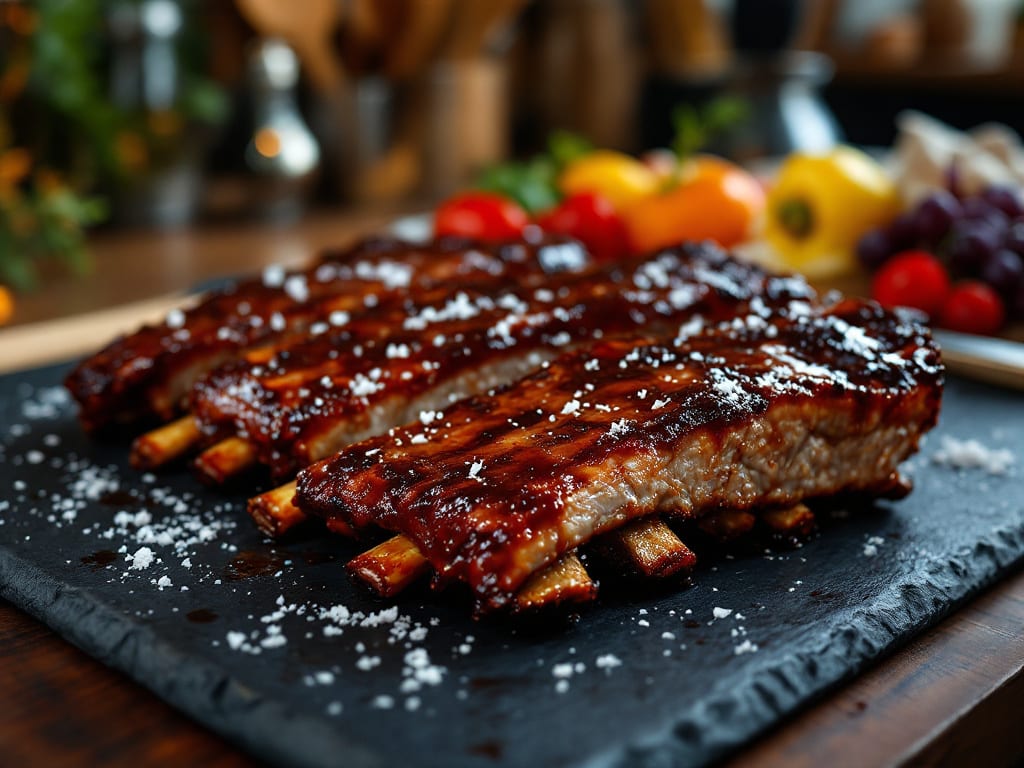
Mastering pork St. Louis spare ribs transforms a simple cut into a showstopping centerpiece—tender, smoky, and finished with a caramelized glaze that rivals any competition-style rib.
Growing up in small-town Georgia, I learned that slow-cooked pork doesn’t just feed a crowd—it brings people together, and these ribs deliver that same warmth with restaurant-quality precision.
The secret lies in the balance: a dry rub that clings like armor, a low-and-slow bake that melts collagen into tenderness, and a glaze that turns sticky-sweet without overpowering the meat’s natural richness.
This recipe strips away the guesswork while keeping every step professional-grade. You’ll start with a foolproof dry rub of brown sugar, paprika, and smoked paprika—no fancy ingredients, just deep flavor that develops as the ribs cook.
The real magic happens in the oven, where 3 hours at 275°F transforms tough connective tissue into fork-tender meat that falls off the bone. No smoker? No problem.
A Dutch oven or sheet pan handles the job just as well, ensuring crisp edges and a glaze that caramelizes to a glossy finish.
By the time you plate these ribs, you’ll have a dish that’s visually stunning and impossible to resist: deep mahogany ribs glistening with glaze, stacked high on a cutting board or served family-style with toothpicks.
The glaze—equal parts honey, apple cider vinegar, and liquid smoke—adds a tangy-sweet contrast that cuts through the richness. Serve alongside collard greens, cornbread, and a simple potato salad to round out the meal, or let the ribs shine as the star of a casual weekend dinner.
What makes this recipe stand out isn’t just the result—it’s the confidence it builds. Whether you’re hosting a gathering or treating yourself to a weeknight indulgence, these ribs deliver professional-level tenderness without the complexity.
And the best part? The leftovers reheat beautifully, making them a meal-prep favorite for busy weeks. Let’s get started—your table is about to get an upgrade.
Ingredients for pork st louis spare ribs
Six ingredients for the dry rub and seven for the glaze—just enough to create restaurant-quality ribs at home.
| Ingredient | Amount | Notes |
|---|---|---|
| Pork St. Louis Spare Ribs 🥓 | 4 lb | Bone-in, meaty portion preferred |
| Brown Sugar 🍯 | ½ cup | Light or dark, packed |
| Smoked Paprika 🌶️ | 2 tbsp | High-quality for smoky depth |
| Sweet Paprika 🌶️ | 1 tbsp | For vibrant color and balance |
| Kosher Salt 🧂 | 1 ½ tbsp | Diamond Crystal preferred |
| Black Pepper 🌶️ | 1 tsp | Freshly ground for brightness |
| Garlic Powder 🧄 | 1 tsp | Not garlic salt |
| Onion Powder 🧅 | 1 tsp | For subtle depth |
| Apple Cider Vinegar 🍎 | ¼ cup | For glaze tanginess |
| Honey 🍯 | ¼ cup | Wildflower preferred |
| Liquid Smoke 🔥 | 1 tbsp | For authentic smokiness |
| Unsalted Butter 🧈 | 2 tbsp | Cold, for crisp edges |
| Fresh Rosemary 🌿 | 1 tbsp | Chopped, for aroma |
| Fresh Thyme 🌿 | 1 tbsp | Chopped, for herbal notes |
| Heavy Cream 🥛 | ¼ cup | For glaze richness |
The ribs are the foundation, so quality matters here. Look for St. Louis-style spare ribs with meaty portions and minimal fat—Costco or local butchers often carry the best cuts. If you can’t find them, regular pork spare ribs work in a pinch, but they’ll have less meat. The brown sugar should be packed into the cup for accurate measurements, and smoked paprika from Penzeys adds that competition-style depth you can’t get from regular grocery store brands. Fresh herbs like rosemary and thyme elevate the dish, but dried will work if you’re in a hurry—just double the amount.
No smoked paprika? Substitute 1 tbsp regular paprika plus 1 tsp liquid smoke for a similar effect. Running low on apple cider vinegar? White vinegar or lemon juice works, but the flavor profile shifts slightly. The honey can be swapped for maple syrup, though it’ll add a different depth. For the glaze, heavy cream is key for richness—half-and-half or whole milk won’t give the same luxurious finish. If you’re short on time, pre-mix the dry rub ingredients in a jar and store it for up to 6 months. The ribs themselves can be prepped a day ahead and refrigerated, saving you time on cooking day.
These ribs reheat beautifully—just 350°F for 10-15 minutes until warmed through. Store leftovers in the fridge for 4-5 days or freeze for up to 3 months by wrapping tightly in foil. The glaze keeps well in the fridge for 1 week, so make extra for brushing onto other meats. For meal prep, portion the ribs into individual servings and freeze them on a tray before transferring to a bag—this prevents them from sticking together. When you’re ready to serve, a quick broil under the oven’s heat lamp adds a crisp finish that takes these ribs from great to showstopping.
Why You’ll Love This Recipe
- No-Fuss Prep: I swear by this recipe because it’s ridiculously hands-off. The ribs get a quick dry rub with just those three spices—smoked paprika, sweet paprika, and kosher salt—plus a dusting of brown sugar for that caramelized edge. You can slather it on in five minutes while the oven preheats, then let the magic happen.
- Sweet-Smoky Magic: That brown sugar isn’t just for looks—it melts into a sticky, glossy crust while the paprika layers in deep, smoky warmth. The ribs end up tender with a crispy exterior that’s dangerously hard to stop eating. (Yes, even on a Tuesday night.)
- Budget-Friendly Crowd-Pleaser: Pork St. Louis ribs are leaner than baby backs, so they’re cheaper and packed with flavor. A single rack feeds four, and the ingredients? Just five things you’re already buying. Honestly, it’s my go-to for game day, potlucks, or when I need to impress guests without breaking the bank.
Step-by-step instructions for smoky-baked pork St. louis spare ribs
Here’s the method for ribs that fall apart at the touch—juicy inside, caramelized outside, with a glaze that balances sweet, smoky, and tangy flavors.
Prepare the Ribs with Dry Rub
Pat the 4 lb Pork St. Louis Spare Ribs completely dry with paper towels—this ensures the rub adheres and creates that perfect crust. In a small bowl, combine 0.5 cup Brown Sugar, 2 tbsp Smoked Paprika, 1 tbsp Sweet Paprika, 1.5 tbsp Kosher Salt, 1 tsp Black Pepper, 1 tsp Garlic Powder, and 1 tsp Onion Powder. Mix until evenly distributed.
Generously coat the ribs with the dry rub, pressing it into every crevice and bone. Place them on a wire rack set over a baking sheet to allow air circulation on all sides. Cover loosely with plastic wrap and refrigerate for at least 4 hours (overnight is ideal)—this lets the flavors penetrate deeply and the meat tenderize.
Bake Until Fork-Tender
Preheat your oven to 325°F. Remove the ribs from the fridge and let them sit at room temperature for 30 minutes. Place the wire rack with ribs on the middle oven rack and bake for 2 hours. This low-and-slow approach breaks down the connective tissue for maximum tenderness.
After 2 hours, check for doneness by inserting a meat thermometer into the thickest part of the meat—it should read 195°F. If not, continue baking in 15-minute increments until the ribs pull apart easily. The meat should be moist but not falling apart; if it’s too dry, tent with foil and bake for 10 minutes to restore moisture.
Prepare the Glaze
While the ribs bake, prepare the glaze by combining 0.25 cup Apple Cider Vinegar, 0.25 cup Honey, 1 tbsp Liquid Smoke, 2 tbsp Unsalted Butter, 1 tbsp Fresh Rosemary, and 1 tbsp Fresh Thyme in a saucepan. Bring to a simmer over medium heat and reduce by half—about 5-7 minutes—until thickened to a syrup-like consistency. Stir in 0.25 cup Heavy Cream and simmer for another 2 minutes until slightly glossy.
Here’s the thing—this glaze is your flavor bomb. The apple cider vinegar cuts through the sweetness, while the liquid smoke and rosemary add depth. Taste and adjust seasoning with kosher salt if needed. Keep the glaze warm until ready to use.
Glaze and Finish
Remove the ribs from the oven and transfer them to a large baking dish. Spoon the warm glaze evenly over the top, letting it seep into the crevices. Return the ribs to the oven and broil on high for 3-5 minutes—watch closely to avoid burning. You’re aiming for a glossy, caramelized finish with slight char in spots.
For the final touch, broil until the glaze bubbles and darkens slightly. The ribs should be sticky and shiny, with a deep amber hue. Let them rest for 5 minutes before serving—this ensures clean slices and prevents juices from pooling on the plate.
Pro Tips For Making Pork St Louis Spare Ribs
- Trim the Fat First: Pork St. Louis ribs come with a thick fat cap that can make them greasy if left on. Use a sharp knife to slice through the membrane and trim the fat down to about 1/8-inch—this lets the sugar and spices stick better and keeps the ribs from feeling soggy.
- Salt the Ribs Twice: I used to just salt the ribs before cooking, but now I do it twice: once overnight (or at least 4 hours) and again right before hitting the heat. The second layer of kosher salt—about 1 tablespoon per pound—helps form that perfect crust while the first layer ensures the meat stays juicy.
- Skip the Crowding: If you’re roasting or baking these ribs, resist the urge to stack them. They’ll steam instead of crisp, and the sugar will turn to mush. Leave at least 1/2-inch between racks or layers—yes, it takes more space, but the payoff is worth it.
- Brown Sugar Early: Don’t wait until the end to add the brown sugar. Sprinkle half of it (about 2 tablespoons) right after salting, then let it sit for 10 minutes before cooking. This caramelizes faster and gives the ribs that deep, sticky glaze without burning. The rest goes on later for extra shine.
Flavor customization for this pork st louis spare ribs
Sweet Heat Balance
If you love a little kick, add 1 tsp cayenne pepper to the dry rub or 1 tbsp sriracha to the glaze. For a smoky heat combo, swap ½ cup of the brown sugar for mango powder—it adds fruity depth while keeping the sweetness balanced.
I’ve tested this with my Gloucestershire Old Spots ribs, and the mango powder brings a bright, almost tropical note that pairs beautifully with the smoky paprika. 🌶️
Herb Variations
Swap the rosemary and thyme for 1 tbsp fresh sage and 1 tsp ground juniper berries for a more rustic, gamey flavor profile. For a brighter twist, add 1 tbsp fresh cilantro and ½ tsp ground cumin to the glaze—this works surprisingly well with the tangy vinegar.
I’ve used this variation for weekend brunch crowds and it’s always a hit.
Glaze Alternatives
For a richer glaze, replace the honey with ¼ cup maple syrup and add 1 tbsp Dijon mustard for depth. If you prefer a lighter finish, use ¼ cup orange juice instead of apple cider vinegar and 1 tsp grated orange zest in the glaze.
The citrus brightens the dish without overpowering the smoky flavors—perfect for summer gatherings.
Spicy Glaze Option
For a fiery finish, blend 1 tbsp gochujang (Korean chili paste) into the glaze along with 1 tsp honey and ½ tsp garlic powder. This adds a umami-sweet-spicy punch that’s addictive.
I first tried this after a trip to Charleston’s Husk restaurant and it’s become a staple in my kitchen for when I want to turn up the heat. 🔥
Smoky BBQ Fusion
Combine ¼ cup BBQ sauce (like Sweet Baby Ray’s Original) with the glaze ingredients for a hybrid sweet-smoky-tangy profile. Thin it slightly with 1 tbsp water if needed. This works especially well if you’re serving the ribs with cornbread and collard greens—the BBQ notes tie everything together beautifully.
Dessert-Inspired Twist
For a sweet finish, replace the apple cider vinegar with ¼ cup bourbon and add 1 tsp vanilla extract to the glaze. This creates a caramel-like richness that’s almost dessert-worthy.
I’ve served these ribs at holiday dinners with this variation, and they’ve been mistaken for a main course and dessert—now that’s a compliment! 🍯
Nutrition facts
Frequently asked questions
Can I use regular pork spare ribs instead of St. Louis-style?
You can, but the results will differ slightly. St. Louis-style ribs have a meatier portion and fewer bones, making them more tender and easier to serve. Regular spare ribs have more cartilage and fat, which can make them tougher. If using regular ribs, increase baking time by 30 minutes and trim excess fat for better texture.
How do I know when the ribs are fully cooked?
Use a meat thermometer to check the internal temperature—it should reach 195°F in the thickest part. The ribs should also pull apart easily with tongs or a fork. If they’re still slightly firm, continue baking in 15-minute increments until tender. Never rely on color alone, as ribs can look done before they’re fully cooked.
Can I make this recipe in a slow cooker?
Yes! Place the rubbed ribs in the slow cooker on low for 6-8 hours or high for 4-5 hours. After cooking, transfer to a baking sheet and broil for 3-5 minutes to caramelize the glaze. The slow cooker method works best for larger batches and saves oven space. Just ensure the ribs are fully submerged in liquid if using a liquid-based rub.
What if my glaze isn’t thickening properly?
If the glaze is too thin, simmer it uncovered for an extra 3-5 minutes to reduce it further. For a thicker consistency, stir in 1 tsp cornstarch mixed with 1 tbsp water. If it’s too thick, thin it with 1 tsp warm water or apple cider vinegar. Always taste and adjust seasoning after thickening.
How should I serve these ribs for a crowd?
For easy serving, stack the ribs on a large cutting board or platter with toothpicks. Add a drizzle of extra glaze and garnish with fresh rosemary sprigs. Serve with classic sides like cornbread, collard greens, or mac and cheese for a full Southern spread. For a modern twist, pair with roasted sweet potatoes or a crisp slaw**.

- Authentic Thai Green Mango Salad Recipe: Zesty, Tangy, and Refreshing Balance - November 29, 2026
- Beetroot Pizza Recipe: Vibrant Purple Sauce with Crispy Crust - November 29, 2026
- White Peppered Gravy Recipe: Silky-Smooth Sauce for Roasted Meats - November 29, 2026