
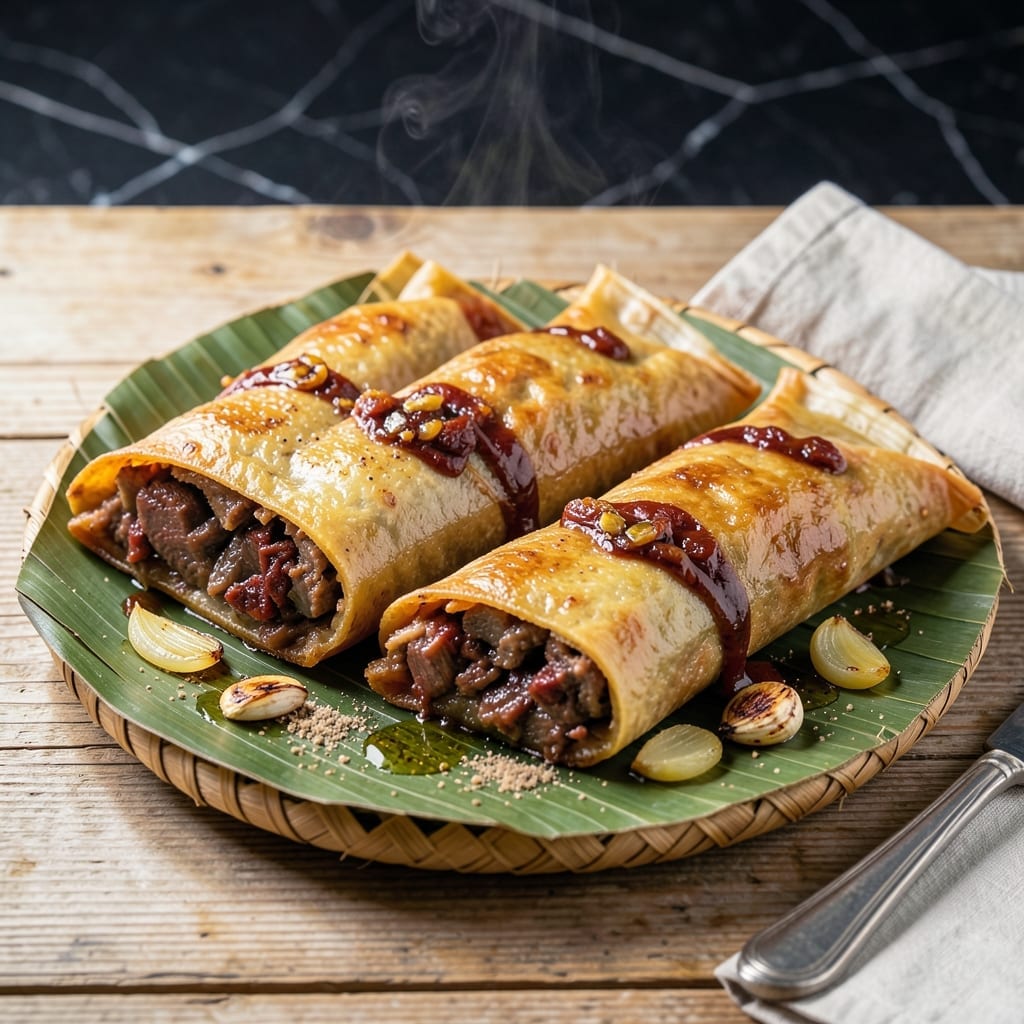
This recipe brings traditional Mexican flavors to your kitchen with a perfect balance of spiced pork and tender masa.
I developed this method through years of testing to capture the authentic taste and texture of street-side tamales. The key is slow-cooking the filling and steaming the dough just right.
You’ll taste the rich, aromatic pork wrapped in soft, slightly sweet masa that holds together beautifully. Each bite delivers the comfort of a dish passed down through generations.
The process takes time but rewards you with tamales that rival any you’d find south of the border. The results speak for themselves.
Ingredients for Pork Tamale Recipe Authentic Mexican
Pantry staples plus a few specialty items. Authentic flavor starts here with these ingredients.
| Ingredient | Amount | Notes |
|---|---|---|
| Pork Shoulder 🐖 | 2 lb | Boneless, cut into chunks |
| Dried Guajillo Chiles 🌶️ | 6 whole | Stems and seeds removed |
| Dried Ancho Chiles 🌶️ | 3 whole | Stems and seeds removed |
| Garlic Cloves 🧄 | 6 cloves | Peeled and smashed |
| Yellow Onion 🧅 | 1 whole | Quartered, skin on |
| Ground Cumin 🌿 | 1 tbsp | Freshly toasted preferred |
| Dried Oregano 🍃 | 1 tbsp | Mexican oregano if available |
| Bay Leaves 🍃 | 2 whole | Dried, for cooking pork |
| Kosher Salt 🧂 | 1 tbsp | Plus more to taste |
| Masa Harina 🌾 | 4 cups | Corn flour for tamales |
| Vegetable Shortening 🧈 | 1 ½ cups | Or lard for authenticity |
| Chicken Broth 💧 | 2 cups | Warm, for masa dough |
| Baking Powder 🧂 | 2 tsp | For masa fluffiness |
| Dried Corn Husks 🌽 | 1 package | Soaked in warm water |
The pork shoulder is non-negotiable for that tender, fall-apart texture—Costco or Sam’s Club have great prices on big cuts. Dried chiles are the soul of the filling. Mexican markets or well-stocked grocery stores (like HEB or Kroger) will have guajillo and ancho. Look for plump, shiny chiles without cracks. If they smell dusty, they’re past their prime. The masa harina? Maseca is the gold standard for tamales. Grab it in the Latin foods aisle.
No pork shoulder? Pork butt works just as well. Short on chiles? New Mexico red chiles can sub for guajillo in a pinch. Out of masa harina? Don’t even think about cornmeal—it’s not the same. The shortening can be swapped for lard if you want that traditional taste (and texture). Vegetable broth works if you’re out of chicken, but the flavor won’t be as rich. Fresh masa? Skip the baking powder—it’s already in there.
Tamales freeze like a dream. Cook the filling, assemble, and freeze uncooked for up to 3 months. Soak the husks overnight if you’re prepping ahead. The dough can sit covered for 1 hour before using. Once steamed, they’ll keep in the fridge for 5 days—reheat in a steamer or microwave with a damp towel.
Why You’ll Love This Recipe
- I’ll be real: the tamales taste even better the next day, and they freeze beautifully for quick meals.
- Minimal Hands-On Time: I just toss the pork with the rehydrated guajillo and ancho chiles, garlic, and onion then let it slow cook—no constant stirring.
- Smoky, Rich Depth: The dried chiles and pork shoulder create this deep, smoky-sweet flavor that’s honestly restaurant-quality.
- Feeds a Hungry Crowd: Between us, I make a double batch for parties and everyone always goes back for seconds.
Step-by-Step Instructions for Pork Tamales
Here’s the authentic method that delivers perfectly tender meat wrapped in fluffy masa every time.
Step 1: Prepare the Pork Filling
Start by adding the 2 lb Pork Shoulder to a large pot with the 6 whole Dried Guajillo Chiles, 3 whole Dried Ancho Chiles, 6 cloves Garlic Cloves, 1 whole Yellow Onion, 1 tbsp Ground Cumin, 1 tbsp Dried Oregano, 2 whole Bay Leaves, and 1 tbsp Kosher Salt. Cover with water and bring to a boil.
Reduce heat to maintain a gentle simmer and cook for 2-3 hours until the pork is fork-tender and shreds easily. I check for doneness by piercing a chunk—the meat should fall apart with no resistance. Skim any foam that rises to the surface during cooking.
Once cooked, remove the pork from the broth and shred it using two forks. Reserve 2 cups of the cooking liquid to use in the masa dough. This infuses the filling with deep, authentic flavor.
Step 2: Soak the Corn Husks
While the pork cooks, place the 1 package Dried Corn Husks in a large bowl and cover completely with warm water. I use a plate to weigh them down so they stay submerged. Soak for at least 1 hour until the husks become pliable and soft.
Drain the husks and rinse briefly under cool water to remove any debris. Pat them dry with a clean towel—they should be flexible but not dripping. This step prevents them from tearing when you spread the masa.
If any husks are too small or torn, set them aside to use as ties for the tamales. You’ll need about 24-30 usable husks for this recipe.
Step 3: Make the Masa Dough
In a large bowl, beat the 1.5 cups Vegetable Shortening with an electric mixer until light and fluffy, about 2 minutes. This incorporates air, which helps create that perfect fluffy texture in the finished tamales.
Gradually add the 4 cups Masa Harina, 2 tsp Baking Powder, and 1 tbsp Kosher Salt to the shortening, mixing on low until combined. Then slowly pour in the reserved 2 cups Chicken Broth from the pork cooking liquid, mixing until a soft, spreadable dough forms.
The dough should have the consistency of thick hummus. Test it by dropping a small amount in a glass of water—if it floats, it’s ready. If it sinks, beat in a bit more broth until it passes the float test.
Step 4: Assemble and Steam the Tamales
Lay a soaked corn husk flat on your work surface. Spread about ¼ cup of masa dough in the center, leaving a 1-inch border at the top and bottom. The dough should be about ¼-inch thick—not too thin or the filling will tear through.
Place 1-2 tablespoons of the shredded pork down the center of the masa. Fold one long side of the husk over the filling, then fold the other side to enclose it completely. Fold the bottom up and leave the top open.
Stand the tamales upright in a steamer basket, open-end up. Cover with a damp towel and steam over boiling water for 1 hour to 1 hour 15 minutes until the masa pulls away from the husk and feels firm. Check the water level halfway through and add more if needed.
Step 5: Rest and Serve
Remove the tamales from the steamer and let them rest for 10 minutes before serving. This brief rest allows the masa to set fully and makes them easier to handle. The husks should peel away cleanly, revealing perfectly cooked tamales underneath.
Serve warm with your favorite salsa or guacamole. The pork should be tender and flavorful, while the masa should be light, airy, and slightly moist. Store any leftovers in the refrigerator for up to 5 days or freeze for longer storage.
Pro Tips For Making Pork Tamale Recipe Authentic Mexican
- Toast the Chiles: Dry-toast the guajillo and ancho chiles for 10-15 seconds per side in a hot skillet until fragrant—I learned this the hard way after my first batch tasted flat because I skipped it.
- Shred While Hot: Pull the pork shoulder apart straight out of the pot, when it’s still steaming, so it absorbs the braising liquid better than when it’s cooled.
- Strain the Sauce: After blending the rehydrated chiles with garlic and onion, press the mixture through a fine-mesh sieve to remove skins—your tamale filling will be velvety, not gritty.
- Use Lard in Masa: Sounds old-school, but my grandmother swore by it: beat 1/2 cup lard into the masa until fluffy for tamales that are light, not dense.
Best Sauces and Condiments for This pork tamale recipe authentic mexican
Classic Red Salsa
A bright salsa roja cuts through the richness perfectly. I blend 4 ripe tomatoes, 1 onion, 2 garlic cloves, and 2 guajillo chiles from the filling. Add ½ tsp salt and a squeeze of lime for that authentic finish. 🌶️
Green Tomatillo Salsa
Salsa verde adds a tangy contrast that complements the pork beautifully. Roast 1 lb tomatillos, 1 onion, and 2 jalapeños until charred, then blend with ¼ cup cilantro and 1 tbsp lime juice. The acidity balances the tamales’ richness.
Creamy Guacamole
My go-to pairing is fresh guacamole with 3 ripe avocados, ½ cup diced onion, and 1 minced jalapeño. Mash with 2 tbsp lime juice and ¼ cup chopped cilantro. The creamy texture contrasts the tamale’s fluffy masa wonderfully.
Pickled Red Onions
Quick-pickle thinly sliced 1 red onion in ½ cup lime juice, ½ cup water, and 1 tbsp salt for 30 minutes. These add a bright, crunchy element that cuts through the dish’s richness. I always keep a jar in my fridge for tamales. 💡
Spicy Crema
Mix 1 cup Mexican crema (or sour cream) with 2 tbsp lime juice and 1 tbsp chipotle in adobo. This smoky, creamy drizzle elevates each bite. The heat level is adjustable—add more chipotle for extra spice.
Fresh Pico de Gallo
Combine 4 diced tomatoes, ½ diced onion, 1 jalapeño, and ¼ cup cilantro. Toss with 2 tbsp lime juice and 1 tsp salt. The freshness lightens the dish, making every mouthful feel balanced and vibrant.
Nutrition Facts
Frequently Asked Questions
How long should I soak the corn husks?
Soak them for at least 1 hour in warm water. Use a plate to keep them submerged. They’re ready when pliable and soft, not brittle.
Can I make tamales without a steamer?
Yes! Use a large pot with a heatproof rack or inverted bowl inside. Add 2 inches of water, bring to a boil, then place tamales upright on the rack. Cover with a damp towel and lid.
Why did my masa turn out dense?
Likely underbeaten shortening or not enough liquid. Beat the shortening until fluffy, then ensure the dough passes the float test in water. It should be light and spreadable, not dry.
How do I store leftover tamales?
Refrigerate for up to 5 days or freeze for 3 months. Reheat by steaming for 15-20 minutes until warmed through. Never microwave without a damp towel.

- Potato Patty Recipe No Egg: Crispy Edges Without the Binder - October 30, 2026
- Paula Deen’s Potato Chip Cookies Recipe: Salty-Sweet Crunch in Every Bite - October 30, 2026
- Potato Gnocchi Recipe Ideas: Pillowy Soft Dumplings With Rustic Charm - October 30, 2026