
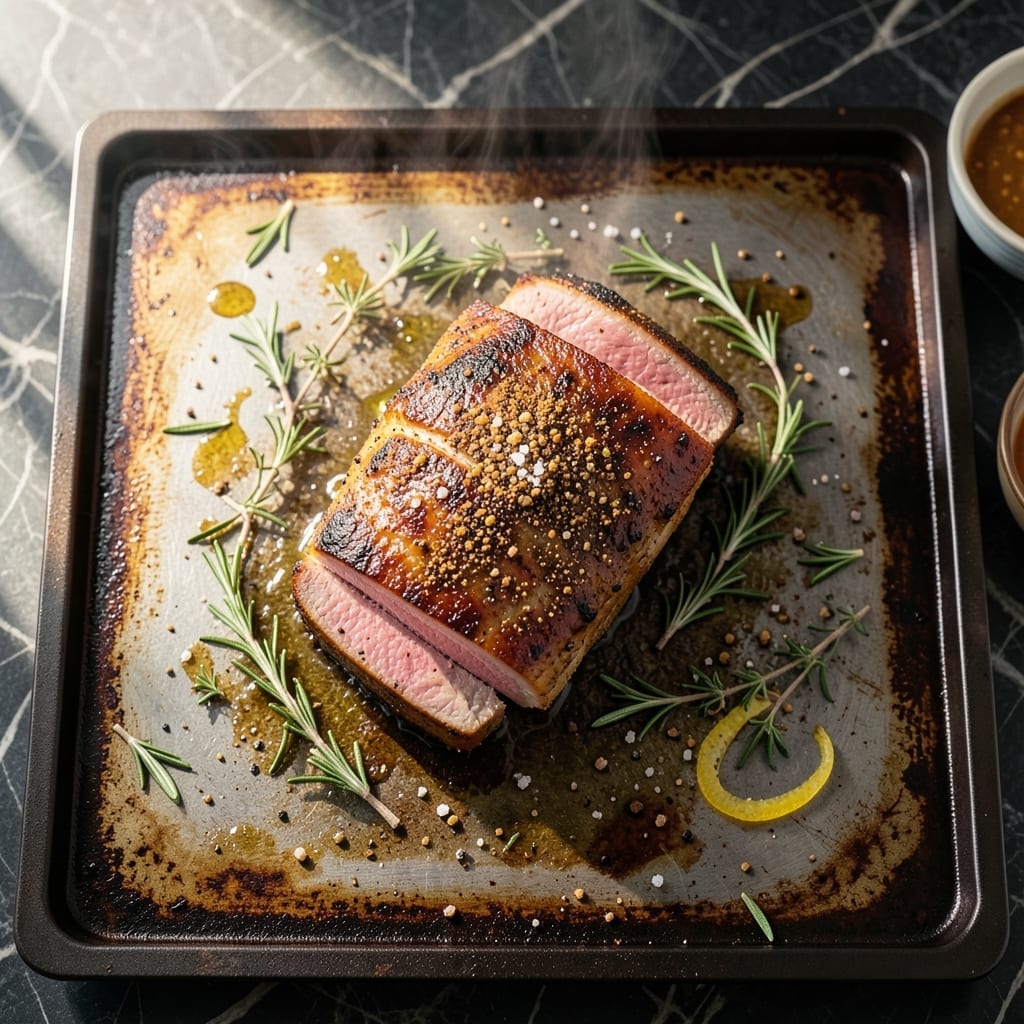
This recipe delivers tender, juicy pork tenderloin with a smoky char that only a Blackstone griddle can provide. I developed this method after countless weekend cookouts, perfecting the balance between crust and moisture.
The key is high heat and precise timing. Sear the tenderloin first to lock in juices, then finish at a lower temperature to ensure even cooking without drying out. That Blackstone surface creates a restaurant-quality crust that’s hard to beat.
What you get is pork so tender it nearly falls apart, with a flavorful crust and juices that run clear when sliced. The griddle’s even heat distribution means no hot spots, just perfectly cooked meat every time.
Serve with grilled vegetables or a fresh salad. This technique works for weeknight dinners or weekend gatherings.
Ingredients for Pork Tenderloin Recipe on Blackstone Griddle
These few quality ingredients transform pork tenderloin into a restaurant-worthy dish on your griddle.
| Ingredient | Amount | Notes |
|---|---|---|
| Pork Tenderloin 🥩 | 1 ½ lb | Trimmed of excess fat |
| Olive Oil 🫒 | 2 tbsp | Divided for searing and brushing |
| Kosher Salt 🧂 | 1 ½ tsp | Diamond Crystal preferred |
| Freshly Ground Black Pepper 🌶️ | 1 tsp | Coarse grind for texture |
| Garlic Powder 🧄 | 1 tsp | Not garlic salt |
| Smoked Paprika 🌶️ | 1 tsp | For depth and color |
| Dried Thyme 🍃 | ½ tsp | Crushed between fingers |
| Dried Rosemary 🌿 | ½ tsp | Crushed between fingers |
| Brown Sugar 🍚 | 1 tbsp | Light or dark variety |
| Dijon Mustard 🟡 | 1 tbsp | Smooth, not whole grain |
| Apple Cider Vinegar 🍏 | 1 tbsp | For acidity balance |
| Butter 🧈 | 2 tbsp | Unsalted, for basting |
The pork tenderloin quality is non-negotiable. Opt for USDA Choice or Prime from a reputable butcher or Whole Foods—avoid pre-marinated cuts, as they often contain excess moisture that interferes with searing. Look for even color and minimal fat. The seasoning blend here is designed to enhance, not overpower, the natural pork flavor. Diamond Crystal kosher salt is the professional standard for its clean taste and consistent grain size.
No smoked paprika? Regular paprika plus a pinch of chipotle powder works. Fresh herbs can substitute for dried—use triple the amount and add them during the final basting. The brown sugar caramelizes beautifully on the griddle; honey or maple syrup are acceptable alternatives. For a crust variation, swap Dijon for whole-grain mustard. The vinegar can be white wine or red wine vinegar if that’s what’s on hand.
Pork tenderloin cooks quickly—use it within 2-3 days of purchase or freeze for up to 6 months. The dry rub can be pre-mixed and stored in an airtight container for 1 month. Once cooked, rest the meat before slicing to retain those promised juices.
Why You’ll Love This Recipe
- One Pan Wonder: I love how the Blackstone griddle keeps everything contained—just season, sear, and serve with zero extra dishes.
- Smoky Garlic Bite: The garlic powder creates this deep, savory crust that pairs perfectly with the tenderloin’s natural juices.
- Feeds a Crowd: A single pork tenderloin stretches for family dinners or meal prep, and leftovers taste even better the next day.
- 20-Minute Magic: Honestly, it’s faster than oven-roasting and the high heat locks in flavor without drying it out.
Step-by-Step Instructions for Pork Tenderloin on Blackstone Griddle
Master these steps for perfectly charred, juicy pork with a smoky crust.
Step 1: Create the Dry Rub and Season the Pork
Combine the 1.5 tsp Kosher Salt, 1 tsp Freshly Ground Black Pepper, 1 tsp Garlic Powder, 1 tsp Smoked Paprika, 0.5 tsp Dried Thyme, 0.5 tsp Dried Rosemary, and 1 tbsp Brown Sugar in a small bowl. I crush the dried herbs between my fingers to release their essential oils.
Pat the 1.5 lb Pork Tenderloin completely dry with paper towels—this ensures the rub adheres properly and promotes even browning. Rub the seasoning mixture all over the pork, pressing firmly to create a uniform crust. Let it sit at room temperature for 20-30 minutes while you preheat the griddle.
Step 2: Sear the Pork on the Preheated Griddle
Preheat your Blackstone griddle over medium-high heat until it reaches 400°F. The surface should be very hot—a drop of water should sizzle and evaporate instantly. Add 1 tbsp Olive Oil and spread it evenly across the cooking surface.
Place the pork tenderloin on the griddle. Sear for 4-5 minutes per side until a deep, golden-brown crust forms. Resist the urge to move it—let it develop that perfect char. The griddle’s even heat distribution ensures a consistent sear without hot spots.
Step 3: Baste with Flavorful Liquid
In a small bowl, whisk together the remaining 1 tbsp Olive Oil, 1 tbsp Dijon Mustard, and 1 tbsp Apple Cider Vinegar. This mixture adds tangy depth to the pork’s rich flavor.
After flipping the pork for the second time, add the 2 tbsp Butter to the griddle. As it melts, use a basting spoon to continuously pour the butter and mustard-vinegar mixture over the pork. This basting technique keeps the meat moist and builds layers of flavor. Cook until the internal temperature reaches 145°F.
Step 4: Rest and Slice for Serving
Transfer the pork to a cutting board and tent loosely with foil. Let it rest for 10 minutes—this crucial step allows the juices to redistribute throughout the meat, ensuring every slice stays moist and tender.
Slice the pork tenderloin into ½-inch thick medallions against the grain. The result should be a beautiful, caramelized crust with a pink, juicy center. Serve immediately while hot, with any remaining pan juices spooned over the top for extra flavor.
Pro Tips For Making Pork Tenderloin Recipe On Blackstone Griddle
- Preheat the Griddle: Get that Blackstone screaming hot—at least 400°F—before the pork hits the surface. I learned this the hard way after my first few attempts stuck and tore.
- Pat the Pork Dry: Use paper towels to remove every bit of moisture from the tenderloin. Sounds weird, but it works: dry meat sears better and picks up the salt and pepper evenly.
- Skip Overcrowding: Leave space between pieces or cook in batches if needed. Steer clear of packing the griddle—steam is the enemy of a good crust.
- Rest Before Slicing: Tent the pork with foil and give it a solid 5-10 minutes after cooking. My grandmother swore by this, and she was right: it keeps the juices from running all over the cutting board.
Wine and Beer Pairings for These Flavors
Light Red Wines
I love pairing this dish with a Pinot Noir from Oregon—its bright acidity and red fruit notes complement the smoky char without overwhelming the pork. A Burgundy Pinot works beautifully too. These wines enhance the pork’s natural sweetness. 🍷
Medium-Bodied Reds
A Chianti Classico with its cherry and earthy notes stands up to the griddle’s charred flavors. I also enjoy a Sangiovese from Tuscany. The tannins are soft enough to pair well with the tender pork.
White Wine Option
For white wine lovers, try a Viognier from California—its stone fruit and floral notes balance the smoky crust. A lightly oaked Chardonnay also works if you prefer a richer white. The buttery notes mirror the basting butter in the recipe.
Craft Beer Pairings
An Amber Ale brings caramel and toasted malt flavors that pair perfectly with the grilled pork. I recommend New Belgium Fat Tire—its balanced sweetness complements the brown sugar in the rub. 🍺
Dark Beer Option
A Porter or Stout with coffee and chocolate notes can be a surprising match. The roasted flavors echo the char from the griddle. Try Guinness for a classic pairing.
Non-Alcoholic
For a non-alcoholic option, sparkling apple cider with its crisp sweetness works beautifully. The bubbles cleanse your palate between each juicy bite of pork.
Nutrition Facts
Frequently Asked Questions
What’s the ideal griddle temperature?
Preheat to 400°F for searing. This creates a perfect crust while locking in juices. The even heat ensures consistent cooking across the entire surface.
Can I use a marinade instead of dry rub?
Yes, but pat the meat very dry first. Excess moisture prevents proper searing. A marinade adds flavor but may soften the crust compared to a dry rub.
How do I know when it’s done?
Use a meat thermometer—145°F internal temperature is safe. The pork will be slightly pink inside but perfectly tender. Let it rest 10 minutes before slicing.
What if my pork is tough?
Overcooking is the most common cause. Pull it off at 145°F and rest it properly. Also, ensure you’re using a fresh, quality cut from a trusted source.

- Potato Patty Recipe No Egg: Crispy Edges Without the Binder - October 30, 2026
- Paula Deen’s Potato Chip Cookies Recipe: Salty-Sweet Crunch in Every Bite - October 30, 2026
- Potato Gnocchi Recipe Ideas: Pillowy Soft Dumplings With Rustic Charm - October 30, 2026