
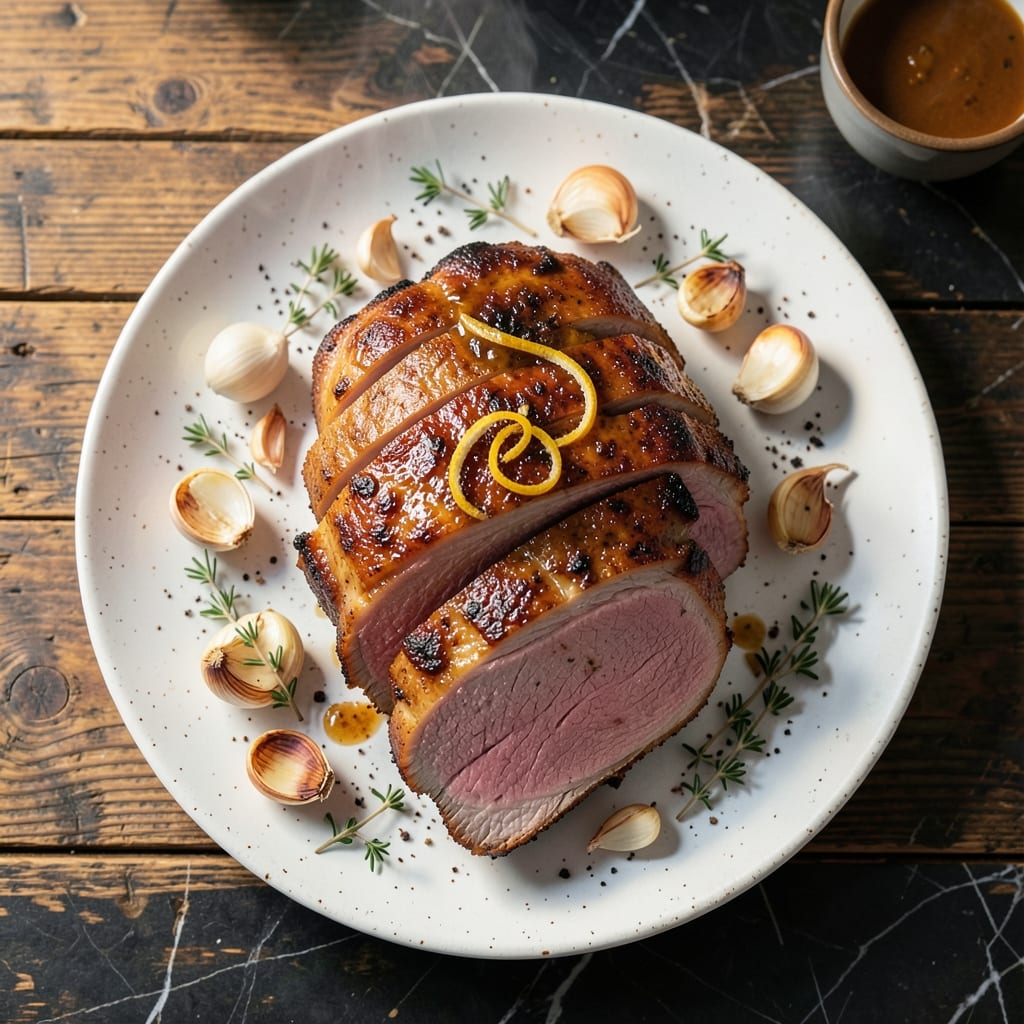
High-heat roasting transforms pork tenderloin into a juicy, flavorful centerpiece with minimal effort. This method guarantees a tender result every time.
At 425°F, the exterior develops a golden crust while the inside stays perfectly moist. A simple seasoning blend enhances the natural pork flavor without overpowering it.
The key is precise timing—about 20-25 minutes for a 1-pound tenderloin. Letting it rest afterwards ensures the juices redistribute for the best texture.
This approach delivers restaurant-quality results with just a few basic ingredients and one pan. The perfect main course for any occasion.
Ingredients for Pork Tenderloin Recipe Oven 425
High-heat roasting requires minimal ingredients for maximum flavor and perfect texture every time.
| Ingredient | Amount | Notes |
|---|---|---|
| Pork Tenderloin 🥩 | 1 ½ lb | Trimmed of excess fat |
| Olive Oil 🫒 | 2 tbsp | Extra-virgin preferred |
| Kosher Salt 🧂 | 1 ½ tsp | Diamond Crystal recommended |
| Black Pepper 🌶️ | 1 tsp | Freshly ground preferred |
| Garlic Powder 🧄 | 1 tsp | Not garlic salt |
| Dried Thyme 🌿 | 1 tsp | Rubbed between fingers |
| Dried Rosemary 🍃 | 1 tsp | Crushed for release |
| Paprika 🌶️ | ½ tsp | Smoked or sweet variety |
| Dijon Mustard 🟡 | 1 tbsp | For crust formation |
| Brown Sugar 🟤 | 1 tbsp | Light or dark acceptable |
| Fresh Garlic Cloves 🧄 | 3 cloves | Minced finely |
The pork tenderloin quality is paramount. Look for a uniform shape and pink color at your butcher or Whole Foods meat counter. Avoid pieces with excessive fat or dark spots. Organic or pasture-raised offers superior flavor and tenderness. Most are pre-trimmed, but check for any remaining silver skin—this can toughen during cooking.
No brown sugar? Honey or maple syrup works at equal amounts, though the crust will be slightly different. Out of Dijon? Whole-grain mustard provides similar tang. Fresh rosemary or thyme can replace dried at three times the quantity. The olive oil can be any neutral oil, but extra-virgin adds depth to the crust.
Store raw pork in the coldest part of your refrigerator for up to 3 days. Cooked tenderloin keeps 4-5 days refrigerated or freezes beautifully for 3 months. Always bring to room temperature before cooking for even doneness.
Why You’ll Love This Recipe
- Minimal Effort: I just rub the tenderloin with oil, salt, pepper, and garlic powder—no marinating, no fuss.
- That Garlic Crust: The high heat turns the garlic powder into this golden, crispy layer that’s ridiculous with every bite.
- Weeknight Hero: Between us, this is my Tuesday night lifesaver when I need dinner fast but still impressive.
- Leftovers Win: Cold slices taste spot-on in a sandwich the next day—if there are any left.
Step-by-Step Instructions for Pork Tenderloin
Here is the method to achieve perfectly tender, juicy pork with a flavorful crust every time.
Step 1: Prepare and Season the Pork Tenderloin
Pat the 1.5 lb Pork Tenderloin completely dry with paper towels to ensure maximum browning. Trim any excess fat or silver skin, as these can prevent even cooking and create chewy spots.
In a small bowl, combine the 1.5 tsp Kosher Salt, 1 tsp Black Pepper, 1 tsp Garlic Powder, 1 tsp Dried Thyme, 1 tsp Dried Rosemary, and 0.5 tsp Paprika. Rub the spice mixture evenly over all sides of the pork. This creates a flavorful base layer that enhances the natural taste of the meat.
Step 2: Create the Mustard and Brown Sugar Crust
In a separate small bowl, mix the 1 tbsp Dijon Mustard and 1 tbsp Brown Sugar until smooth. The mustard adds a tangy depth while the brown sugar promotes caramelization for a beautiful crust.
Finely mince the 3 cloves Fresh Garlic Cloves and stir them into the mustard mixture. Brush this combination evenly over the surface of the seasoned pork, ensuring full coverage. The garlic infuses the crust with aromatic complexity.
Step 3: Sear the Pork Tenderloin
Heat the 2 tbsp Olive Oil in a large oven-safe skillet over medium-high heat until shimmering. Add the pork and sear on all sides for 2-3 minutes per side until golden brown. This initial searing locks in juices and builds a flavorful fond in the pan.
Watch for the edges to turn a deep amber color and the surface to develop a slight crust. This visual cue indicates proper Maillard browning, which contributes to the pork’s rich flavor profile.
Step 4: Roast at High Temperature
Transfer the skillet with the pork to a preheated 425°F oven. Roast for 15-20 minutes or until the internal temperature reaches 145°F in the thickest part of the tenderloin. The high-heat cooking ensures a tender interior while developing a caramelized exterior.
The mustard-sugar crust will darken and create a glossy finish. Avoid overcooking, as pork tenderloin can become dry beyond 145°F. The meat should still have a slight bounce when pressed.
Step 5: Rest and Slice
Remove the pork from the oven and transfer it to a cutting board. Tent loosely with foil and let rest for 10 minutes. This allows the juices to redistribute throughout the meat, ensuring every slice remains moist and flavorful.
Slice the pork into 1-inch thick medallions against the grain for maximum tenderness. The resting period is non-negotiable for achieving the promised juicy result.
Pro Tips For Making Pork Tenderloin Recipe Oven 425
- Pat It Dry: Always blot the tenderloin with paper towels before seasoning—I learned this the hard way after wondering why my crust never browned properly. Wet meat steams instead of searing, even in a hot oven.
- Salt 30 Minutes Early: Sprinkle the kosher salt on the pork and let it sit uncovered on the counter for 30 minutes before roasting. Sounds weird, but it works: the salt draws out moisture then reabsorbs it, guaranteeing juicier meat.
- Pull at 140°F: Resist the urge to wait for 145°F—take it out at 140°F and tent with foil for 5-10 minutes. The temp will climb to perfect doneness while it rests, and you’ll avoid the dry, overcooked pork I served my in-laws once.
- Use a Wire Rack: Place the tenderloin on a wire rack over your baking sheet—about 2 inches of air gap under the meat. This isn’t the prettiest method, but it’s the tastiest, ensuring even browning and no soggy bottom.
Serving Suggestions for pork tenderloin recipe oven 425
Plating Elegance
Slice the pork into 1-inch medallions and fan them across a warm platter. Drizzle any pan juices over the top for extra shine. I love adding fresh rosemary sprigs between the slices for a pop of color and aroma. 💫
Sauce Pairings
A simple apple-cider reduction complements the savory crust beautifully. Simmer 1 cup cider with 2 tbsp apple cider vinegar until syrupy. Alternatively, serve with whole-grain mustard cream sauce for a creamy contrast.
Side Dish Ideas
Garlic mashed potatoes soak up the delicious juices perfectly. For a lighter option, try roasted Brussels sprouts with balsamic glaze. Both pair wonderfully with the high-heat roasted flavors.
Garnishing Touches
Sprinkle with chopped fresh parsley for a bright finish. A pinch of flaky sea salt on each medallion enhances the crust’s caramelization. I always keep Maldon salt on hand for this purpose.
Family-Style Service
For casual gatherings, serve the whole tenderloin on a wooden board with a sharp knife. Let guests slice their own portions. The mustard-brown sugar crust looks impressive and encourages sharing. 🔥
Bread Companion
Offer crusty bread or dinner rolls to mop up every last bit of flavor. A warm baguette from a local bakery works particularly well with the savory pan juices.
Nutrition Facts
Frequently Asked Questions
Why use such a high oven temperature?
The 425°F heat creates a flavorful crust quickly while keeping the inside juicy. It shortens cooking time, preventing the lean meat from drying out.
How do I prevent the crust from burning?
Watch the oven closely after 15 minutes. If browning too fast, tent with foil. The sugar in the crust caramelizes quickly at high heat.
Can I use a different cut of pork?
Tenderloin works best due to its uniform shape and tenderness. Other cuts like loin may require adjusted timing and temperature.
What if my tenderloin is larger than 1.5 pounds?
Add 5 minutes per additional 1/2 pound. Always check internal temp with a meat thermometer for accuracy.

- Potato Patty Recipe No Egg: Crispy Edges Without the Binder - October 30, 2026
- Paula Deen’s Potato Chip Cookies Recipe: Salty-Sweet Crunch in Every Bite - October 30, 2026
- Potato Gnocchi Recipe Ideas: Pillowy Soft Dumplings With Rustic Charm - October 30, 2026