
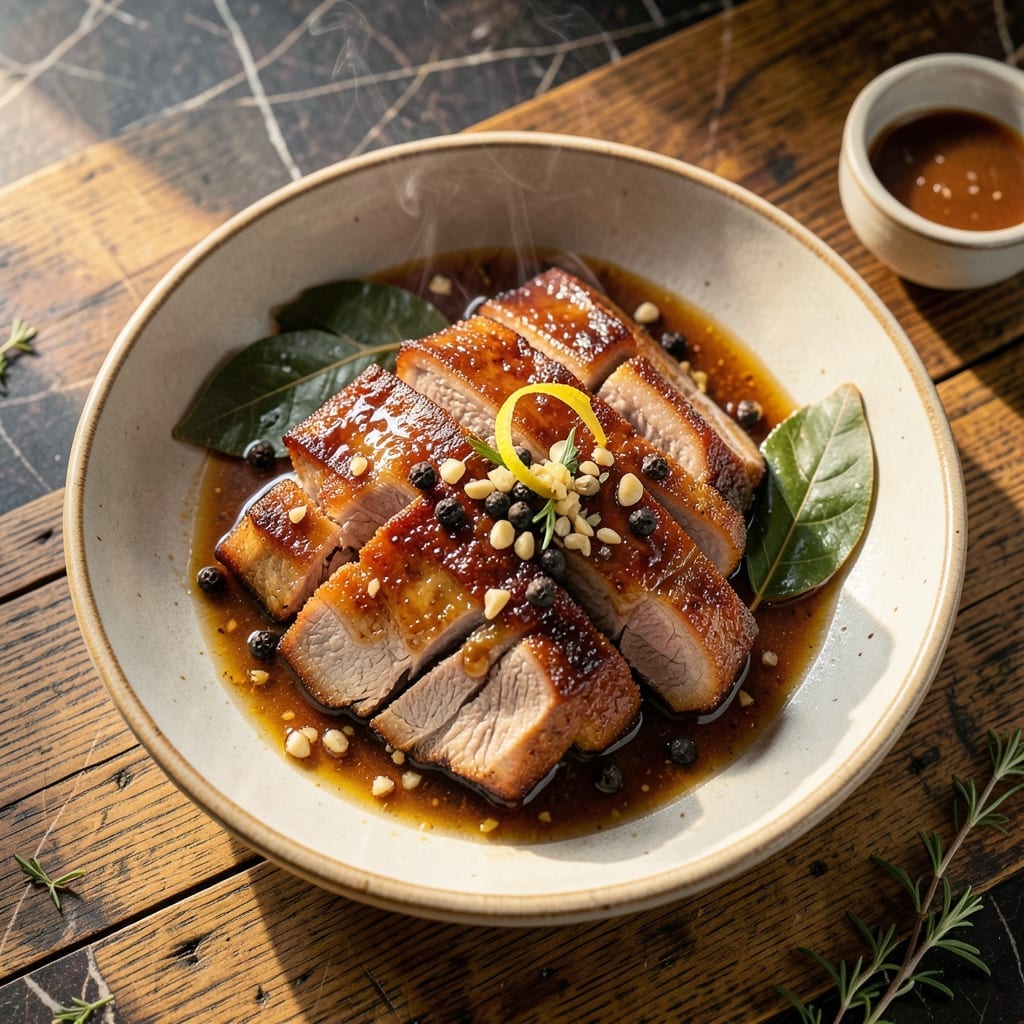
This Filipino-style pork tocino delivers a perfect balance of sweet and garlicky flavors, enhanced by a touch of pineapple juice. The marinade transforms simple pork slices into tender, caramelized perfection that’s impossible to resist.
I developed this recipe after testing multiple versions, and the pineapple juice adds natural tenderness while keeping the meat moist. The garlic and soy sauce create a savory base, while the brown sugar caramelizes beautifully during cooking.
The result is juicy, flavorful pork with a glossy sheen that’s ready in 30 minutes. Serve it with steamed rice and a side of atchara for a complete, authentic Filipino breakfast or dinner.
This dish proves that a few quality ingredients and a foolproof method can create restaurant-worthy results at home.
Ingredients for Pork Tocino Recipe Pineapple Juice
A few quality ingredients transform into this tender, caramelized Filipino-style pork tocino with pineapple juice.
| Ingredient | Amount | Notes |
|---|---|---|
| Pork Shoulder 🐖 | 1 ½ lb | Thinly sliced, about 1/4-inch thick |
| Pineapple Juice 🍍 | ¾ cup | Unsweetened, canned or fresh |
| Soy Sauce 🫒 | ½ cup | Regular or light, not low-sodium |
| Brown Sugar 🍚 | ½ cup | Light or dark, packed |
| Garlic Cloves 🧄 | 8 cloves | Peeled and minced |
| White Vinegar 💧 | 2 tbsp | Or apple cider vinegar |
| Black Peppercorns 🌶️ | 1 tsp | Freshly cracked preferred |
| Bay Leaves 🍃 | 2 whole | Dried, for marinade |
| Ground Black Pepper 🌶️ | ½ tsp | For seasoning meat |
| Salt 🧂 | 1 tsp | Kosher or sea salt |
| Cooking Oil 🫒 | 2 tbsp | Neutral flavor like vegetable or canola |
| Water 💧 | ¼ cup | For adjusting marinade consistency |
The pork shoulder is non-negotiable here. Look for well-marbled cuts at your butcher or Whole Foods—this fat renders down, keeping the meat juicy. Thin slicing (about 1/4-inch) ensures even marinating and cooking. For the pineapple juice, Dole or Del Monte canned varieties work perfectly, but fresh-squeezed adds a brighter note. The brown sugar’s caramelization is key, so resist the urge to swap it out.
No pork shoulder? Pork belly at a 1:1 ratio delivers even richer flavor, though it’s less lean. Substituting soy sauce? Coconut aminos at the same amount work for a gluten-free version. Fresh garlic is ideal, but jarred minced garlic saves time without sacrificing too much. The vinegar balances sweetness—rice vinegar at half the quantity offers a milder tang. Skip the bay leaves if you must, but they add depth.
Marinate the pork for at least 4 hours (overnight is best) for maximum tenderness. Leftovers keep 3-4 days refrigerated or 2 months frozen. Reheat gently to avoid drying out—add a splash of water or pineapple juice if needed.
Why You’ll Love This Recipe
- One Pan Wonder: I just toss the pork shoulder in pineapple juice, soy sauce, and brown sugar, then let it marinate—no fancy steps.
- Sweet & Tangy Bite: The brown sugar caramelizes while the pineapple juice keeps it juicy, and the garlic? Pure flavor magic.
- Breakfast to Dinner: Honestly, I make a big batch for morning silog plates and use leftovers for fried rice at night.
- Budget Stretch: Pork shoulder is cheap, and this recipe turns it into something way fancier than the cost suggests.
Step-by-Step Instructions for Pork Tocino With Pineapple Juice
Master this technique for perfectly sweet, garlicky pork tocino with a caramelized exterior.
Step 1: Prepare and Marinate the Pork
Slice the 1.5 lb pork shoulder into ¼-inch thick strips. In a large bowl, combine the 0.75 cup pineapple juice, 0.5 cup soy sauce, 0.5 cup brown sugar, 8 cloves garlic cloves, 2 tbsp white vinegar, 1 tsp black peppercorns, 2 whole bay leaves, 1 tsp salt, and 0.25 cup water.
Add the pork slices to the marinade, ensuring each piece is fully coated. Cover and refrigerate for at least 4 hours, preferably overnight. The longer it marinates, the more tender and flavorful the meat becomes. The brown sugar and pineapple juice create a sweet, tangy base that defines this dish.
Step 2: Cook the Pork in Batches
Remove the pork from the marinade, reserving the liquid. Pat the slices dry with paper towels to promote browning. Heat 1 tbsp cooking oil in a large skillet over medium-high heat. Add half the pork in a single layer, being careful not to overcrowd the pan.
Cook for 4-5 minutes per side until the edges are deep golden brown and caramelized. The brown sugar in the marinade will create a glossy, sticky glaze as it cooks down. Transfer the cooked pork to a plate and repeat with the remaining 1 tbsp cooking oil and pork slices.
Step 3: Reduce the Marinade into a Glaze
Pour the reserved marinade into the same skillet and bring to a boil over medium-high heat. Reduce the heat to medium and let it simmer for 8-10 minutes until the liquid thickens into a syrupy glaze. Stir occasionally to prevent burning, especially as the brown sugar caramelizes.
The glaze should coat the back of a spoon and have a deep amber color. The pineapple juice and soy sauce will reduce into a rich, savory-sweet sauce that clings perfectly to the pork. Discard the bay leaves and black peppercorns before using the glaze.
Step 4: Glaze and Serve
Return all the cooked pork to the skillet with the reduced glaze. Toss to coat each piece evenly in the thick, sticky sauce. Cook for an additional 2-3 minutes over medium heat, allowing the pork to absorb the glaze fully.
Sprinkle with 0.5 tsp ground black pepper for a subtle heat that balances the sweetness. Serve immediately with steamed rice, ensuring each portion has plenty of the caramelized sauce. The pork should be tender with a slightly crisp exterior from the caramelization.
Pro Tips For Making Pork Tocino Recipe Pineapple Juice
- Marinate overnight: I learned this the hard way—pork shoulder needs at least 8 hours in the pineapple juice, soy sauce, and brown sugar mix to absorb the flavors deeply. Anything less and you’re just tasting the surface.
- Slice evenly: Cut the pork shoulder into 1/4-inch thick slices before marinating. Sounds tedious, but it guarantees every piece cooks at the same rate and soaks up the marinade uniformly.
- Simmer, don’t boil: After searing, keep the heat low so the marinade reduces gently into a glaze. Boiling it hard turns the sugar bitter and the pork tough—I ruined a batch before figuring this out.
- Use fresh pineapple juice: Bottled juice works, but fresh pineapple juice adds a brighter, more vibrant sweetness that pairs better with the soy and garlic. It’s the one upgrade that actually changes the outcome.
Common Mistakes When Making pork tocino recipe pineapple juice
Skipping the Marinating Time
I know it’s tempting to rush, but marinating for less than 4 hours means missing out on maximum tenderness and flavor penetration. The pineapple juice needs time to break down proteins, while the garlic and soy sauce work their magic into every bite.
Overcrowding the Pan
Cooking all the pork at once in a crowded pan creates steam instead of caramelization. I cook in 2 batches with 1 tbsp cooking oil each time, giving each piece space to develop that perfect golden-brown crust. Patience pays off here.
Using High Heat
Cranking the heat to high burns the brown sugar before the pork cooks through. Stick to medium-high heat for even cooking and caramelization. The pineapple juice in the marinade can scorch quickly if the temperature is too aggressive.
Skipping the Glaze Reduction
Pouring raw marinade over cooked pork is a food safety risk and misses the flavor depth. I always boil the reserved marinade for 8-10 minutes until it thickens into a syrupy glaze. This step transforms the sauce from thin to rich and clingy.
Not Patting Dry
Wet pork won’t brown properly, so I always pat the slices dry with paper towels after marinating. This simple step ensures the brown sugar caramelizes instead of steaming the meat. It’s a small effort with big results. 💡
Ignoring the Bay Leaves
Those 2 bay leaves in the marinade add subtle depth, but they’re not meant to be eaten. I fish them out before reducing the glaze to avoid any bitter surprises. It’s an easy step that keeps the dish smooth and enjoyable.
Nutrition Facts
Frequently Asked Questions
Can I use fresh pineapple instead of juice?
Yes, blend fresh pineapple chunks into a smooth liquid and strain to use as a substitute. Use the same 0.75 cup measurement for best results.
How long can I store the marinade?
Prepare the marinade fresh each time for optimal flavor. If storing, keep refrigerated in an airtight container for up to 2 days before adding pork. The garlic and pineapple juice lose potency over time.
What if my glaze is too thin?
Simmer the marinade for an additional 2-3 minutes over medium heat. The brown sugar will continue to reduce and thicken. Avoid high heat, which can cause burning.
Can I bake this instead of pan-frying?
Yes, bake at 375°F for 20-25 minutes, turning halfway. For best caramelization, broil for 2-3 minutes at the end. The texture will differ slightly from pan-searing.

- Potato Patty Recipe No Egg: Crispy Edges Without the Binder - October 30, 2026
- Paula Deen’s Potato Chip Cookies Recipe: Salty-Sweet Crunch in Every Bite - October 30, 2026
- Potato Gnocchi Recipe Ideas: Pillowy Soft Dumplings With Rustic Charm - October 30, 2026