
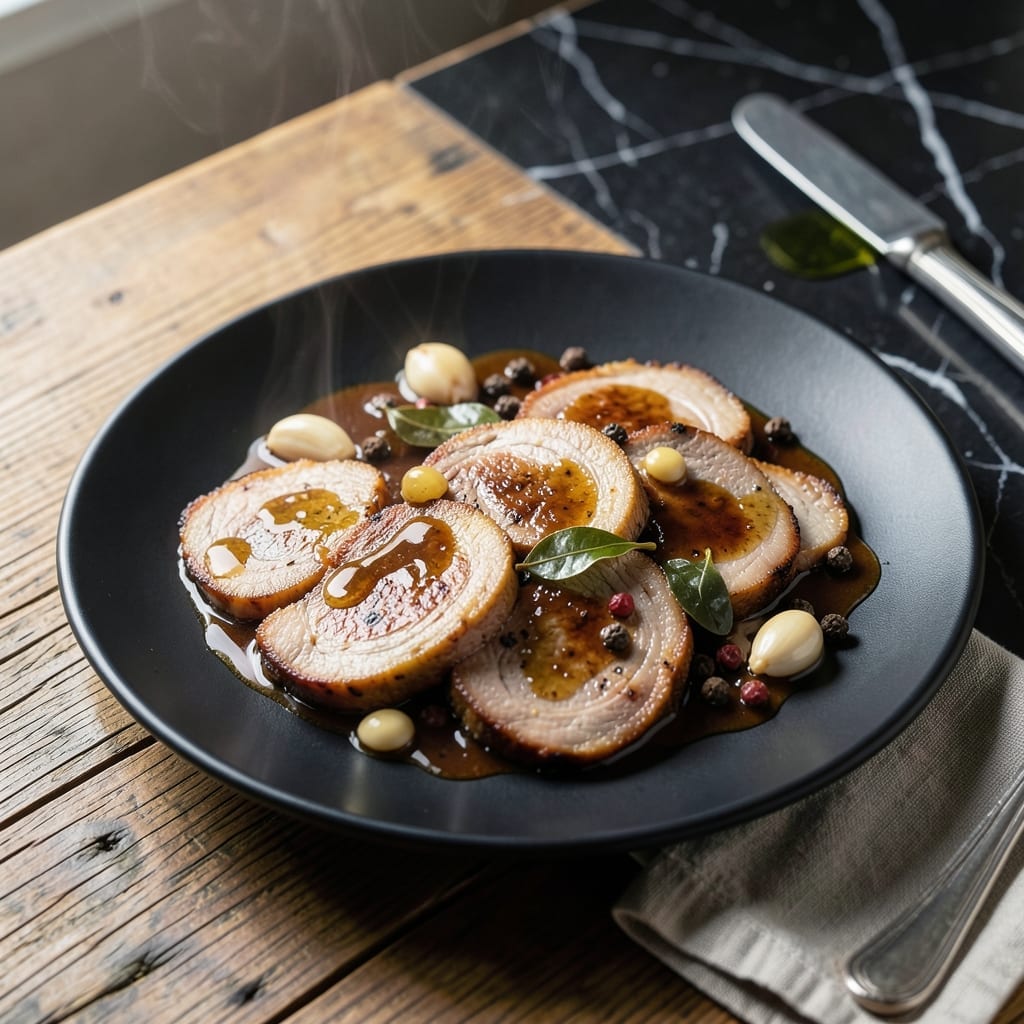
This Filipino-style braised pork tongue delivers tender results through a traditional slow-cooking method that transforms the meat into a melt-in-your-mouth delicacy. The process involves careful preparation and patience to achieve the signature texture.
I developed this recipe after discovering how proper cleaning and boiling creates the perfect foundation for braising. The tongue is first simmered until tender, then finished in a rich, aromatic sauce that infuses every bite with flavor.
The final dish features meat so soft it falls apart at the touch of a fork, coated in a savory sauce that’s both comforting and deeply satisfying. This method honors the classic Panlasang Pinoy approach while ensuring consistent quality.
Perfect for special occasions or when you want to impress with a dish that showcases both technique and tradition. The results speak for themselves.
Ingredients for Pork Tongue Recipe Panlasang Pinoy
Traditional Filipino ingredients create this melt-in-your-mouth braised pork tongue with rich, aromatic depth.
| Ingredient | Amount | Notes |
|---|---|---|
| Pork Tongue 🍖 | 2 lb | Fresh, cleaned thoroughly before cooking |
| White Vinegar 🫗 | 1 cup | For initial cleaning and tenderizing |
| Water 💧 | 8 cups | For simmering and boiling |
| Bay Leaves 🍃 | 2 whole | Dried, for aromatic broth |
| Whole Peppercorns 🌶️ | 1 tsp | Lightly crushed for depth |
| Garlic Cloves 🧄 | 6 cloves | Peeled and smashed for broth |
| Yellow Onion 🧅 | 1 whole | Quartered for simmering |
| Soy Sauce 🫗 | ½ cup | Filipino brand preferred for authenticity |
| Calamansi Juice 🍋 | ¼ cup | Freshly squeezed, or lime substitute |
| Brown Sugar 🧈 | 2 tbsp | Packed, for balancing acidity |
| Tomato Sauce 🍅 | 1 cup | Thick, for rich sauce base |
| Carrots 🥕 | 2 whole | Peeled and chopped for braise |
| Potatoes 🥔 | 2 whole | Peeled and quartered for texture |
| Salt 🧂 | 1 tsp | Kosher or sea salt preferred |
| Black Pepper 🌶️ | ½ tsp | Freshly ground for finishing |
The pork tongue must be fresh and high-quality—source from a trusted butcher or specialty Asian market. Look for firm texture and pink color without strong odor. Filipino soy sauce like Silver Swan or Datu Puti delivers authentic flavor. Bay leaves should be whole and fragrant; discard any that are brittle or faded.
No calamansi? Lime or lemon juice works at a 1:1 ratio. Brown sugar can be swapped with coconut sugar for depth. If tomato sauce isn’t available, tomato paste thinned with water is suitable. For a lighter sauce, reduce soy sauce by half and supplement with fish sauce (ensure vegetarian if needed).
Store raw pork tongue in the fridge for up to 2 days or freeze for 3 months. The braised dish keeps in the fridge for 4-5 days and freezes well for 3 months. Reheat gently to preserve texture.
Why You’ll Love This Recipe
- One Pot Wonder: I just toss the pork tongue, vinegar, water, and spices in a pot and let it simmer—hardly any active work.
- Tangy and Rich: The white vinegar cuts through the richness of the pork tongue, while bay leaves and peppercorns add that deep, aromatic kick.
- Feeds the Family: Honestly, it’s a hit with both kids and adults, and I love serving it over rice for a hearty meal.
- Budget Stretch: A single pork tongue goes a long way, and the leftovers taste even better the next day.
Step-by-Step Instructions for Filipino-Style Braised Pork Tongue
Master this technique and you’ll achieve fall-apart tenderness with rich, tangy depth in every bite.
Step 1: Clean and Parboil the Pork Tongue
Begin by thoroughly scrubbing the 2 lb Pork Tongue under cold running water to remove any residue. In a large pot, combine the tongue with 8 cups Water and 1 cup White Vinegar. Bring to a rolling boil over high heat, then reduce to a simmer for 30-40 minutes.
This initial parboil removes impurities and softens the meat, ensuring a clean base for the braise. You’ll notice foam rising to the surface during the first 10 minutes—skim this off with a spoon for a clearer broth. The tongue should appear slightly firmer but more pliable when done.
Step 2: Build the Aromatic Braising Liquid
Drain the parboiled tongue and return it to the pot. Add 1 whole Yellow Onion (quartered), 6 cloves Garlic Cloves (smashed), 2 whole Bay Leaves, 1 tsp Whole Peppercorns (lightly crushed), 0.5 cup Soy Sauce, 0.25 cup Calamansi Juice, 2 tbsp Brown Sugar, and 1 cup Tomato Sauce.
Pour in enough fresh water to cover the tongue by 1 inch. Bring to a boil, then reduce to a gentle simmer. The liquid should smell deeply aromatic, with the tang of calamansi and richness of soy sauce balancing the natural sweetness of the brown sugar.
Step 3: Braise Until Fork-Tender
Cover the pot and simmer for 2 to 2.5 hours, turning the tongue occasionally to ensure even cooking. The liquid should reduce slightly, thickening into a glossy, flavorful sauce. Check for doneness by piercing the thickest part with a fork—it should slide in with no resistance.
During the last 30 minutes, add the 2 whole Carrots (peeled and chopped) and 2 whole Potatoes (peeled and quartered). These will absorb the braising liquid, adding heartiness to the dish while ensuring the sauce clings beautifully to every component.
Step 4: Season and Reduce the Sauce
Once the tongue is tender, carefully remove it and the vegetables, then strain the braising liquid into a saucepan. Simmer the liquid over medium heat for 10-15 minutes until it reduces by a third, intensifying the flavors. Stir in 1 tsp Salt and 0.5 tsp Black Pepper to taste.
Return the tongue and vegetables to the pot, coating them thoroughly in the reduced sauce. Let them sit off heat for 10 minutes to absorb the final layer of flavor. The sauce should be thick enough to coat the back of a spoon, with a balance of tangy, sweet, and umami notes.
Step 5: Slice and Serve
Slice the tongue crosswise into ½-inch thick pieces. Arrange on a platter with the carrots and potatoes, then spoon the remaining sauce generously over the top. The meat should be so tender it nearly flakes apart, with the sauce clinging to each slice.
Serve immediately with steamed rice to soak up the rich, complex sauce. The dish should deliver a harmony of textures—silky meat, soft vegetables, and a velvety sauce that ties everything together.
Pro Tips For Making Pork Tongue Recipe Panlasang Pinoy
- Parboil First: Always simmer the tongue in water with a splash of vinegar for 10-15 minutes before the main cook—this removes the slimy texture and any lingering gamey taste.
- Score the Tongue: Make shallow crisscross cuts on the surface before boiling so the flavors penetrate deeper and the meat stays tender.
- Skip the Salt Early: I learned this the hard way—vinegar and pork tongue reduce differently, so season with salt only in the last 20 minutes to avoid over-salting.
- Use Fresh Peppercorns: Whole peppercorns lose their punch fast, so lightly crush 1 teaspoon of fresh ones per pound of tongue for that sharp, aromatic bite the recipe needs.
Flavor Customization for These Flavors
Sweet and Tangy
Boost the brown sugar to 3 tbsp for a sweeter profile that balances the acidity. I often add 2 tbsp pineapple juice for natural sweetness. The sauce will caramelize slightly during reduction, creating a glossy finish. 💛
Extra Umami Depth
Add 1 tbsp oyster sauce or fish sauce to the braising liquid for deeper savory notes. For vegetarian options, mushroom sauce works beautifully. This enhancement makes the dish even more addictive.
Spicy Kick
Include 1-2 siling labuyo (Filipino bird’s eye chili) or ½ tsp chili flakes during braising. The heat complements the rich sauce without overpowering. I prefer fresh chilies for authentic flavor.
Creamy Finish
Stir in ¼ cup coconut milk at the end for a velvety texture. This adds richness while maintaining the dish’s traditional character. The coconut flavor is subtle but noticeable.
Alternatively, a dollop of plain yogurt on each serving adds a cool contrast to the warm, savory sauce.
Herbal Notes
Toss in 3-4 sprigs fresh thyme or 1 stalk lemongrass (bruised) during braising. These herbs add aromatic complexity that pairs wonderfully with the pork. Remove before serving. ✨
Nutrition Facts
Frequently Asked Questions
Do I need to peel the tongue before cooking?
Yes, after parboiling, the outer skin should easily peel off. Use a sharp knife to help remove it, then rinse again before braising. This ensures a clean texture in the final dish.
Can I substitute calamansi with regular lemon?
Use ¼ cup lemon juice as a direct substitute. The flavor profile will be slightly different but still delicious. Lime juice works equally well.
How do I know when it’s fully cooked?
Pierce the thickest part with a fork—it should slide in with no resistance. The meat will be fork-tender after 2-2.5 hours of braising.
What if my sauce is too thin?
Simmer it uncovered for an additional 10-15 minutes to reduce. For faster results, mix 1 tbsp cornstarch with water and stir in.

- Potato Patty Recipe No Egg: Crispy Edges Without the Binder - October 30, 2026
- Paula Deen’s Potato Chip Cookies Recipe: Salty-Sweet Crunch in Every Bite - October 30, 2026
- Potato Gnocchi Recipe Ideas: Pillowy Soft Dumplings With Rustic Charm - October 30, 2026