
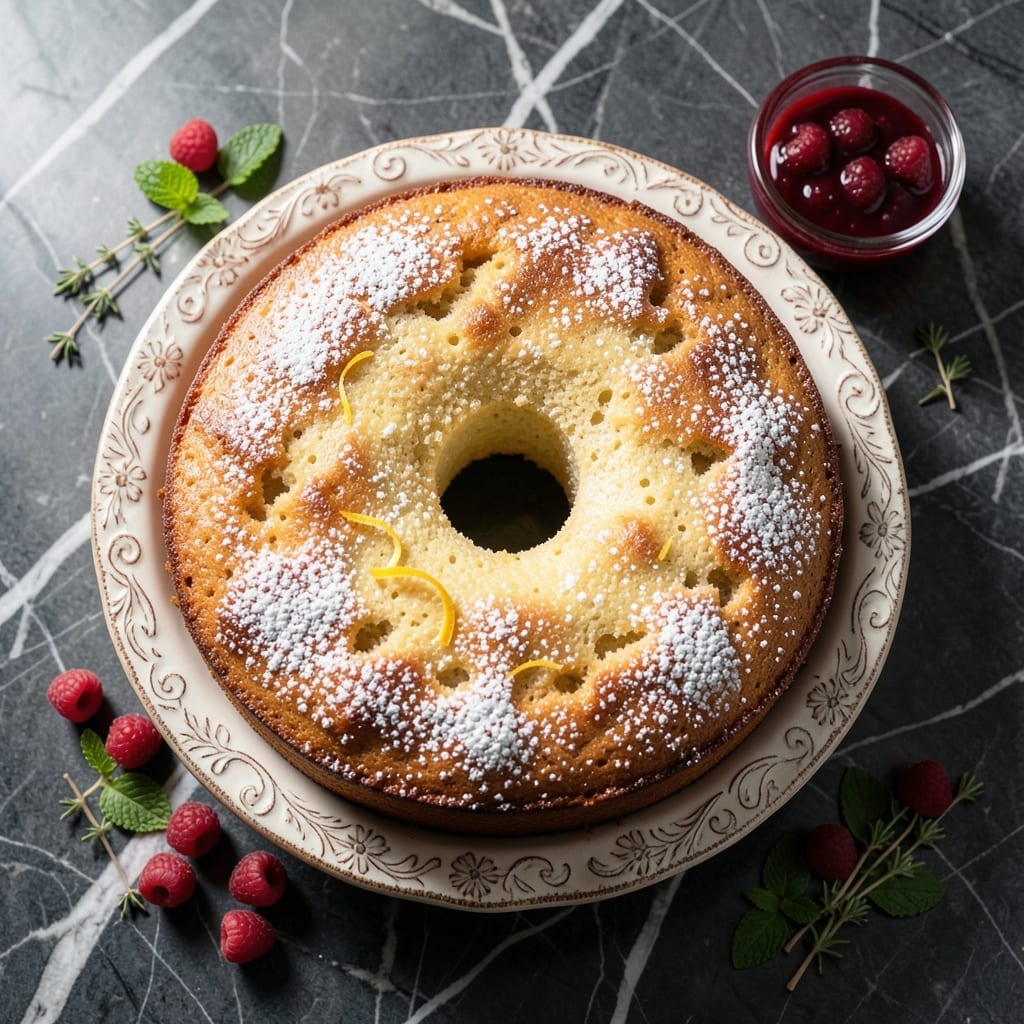
This classic pound cake delivers the perfect balance of dense texture and buttery richness that defines the tradition. I learned the importance of precise measurements from my grandmother, whose recipes always started with equal parts of four simple ingredients.
The beauty lies in its simplicity—no special equipment, just a mixing bowl and a reliable oven. The slow baking process ensures a tight crumb and golden crust that makes this cake a timeless favorite.
What emerges is a cake with a velvety interior and a slightly crisp exterior, ideal for serving plain or with fresh berries. The flavor deepens after a day, making it even more irresistible.
This recipe stays true to the original method while delivering consistent results every time. The process is straightforward, but the outcome feels special.
Ingredients for Pound Cake Recipe from Scratch
Just eight ingredients stand between you and a classic, buttery masterpiece with perfect crumb.
| Ingredient | Amount | Notes |
|---|---|---|
| All-Purpose Flour 🌾 | 2 cups | Sifted before measuring |
| Unsalted Butter 🧈 | 1 cup | Room temperature, softened |
| Granulated Sugar 🍚 | 2 cups | Fine white granulated |
| Large Eggs 🥚 | 6 whole | Room temperature preferred |
| Pure Vanilla Extract 🌿 | 2 tsp | Not imitation vanilla |
| Baking Powder 🧂 | ½ tsp | Ensures proper rise |
| Salt 🧂 | ½ tsp | Fine table salt |
| Whole Milk 🥛 | ¼ cup | Full-fat for richness |
The butter is non-negotiable here—use high-quality unsalted (I swear by Plugrá or Kerrygold). Room temperature means soft enough to leave an indent when pressed, but not melted. The flour should be all-purpose, and yes, sift it first (the good stuff, not self-rising). Eggs at room temp blend more evenly into the batter, so pull them out an hour before baking.
No vanilla extract? Vanilla bean paste adds speckles and intense flavor. Out of milk? Heavy cream thinned with water works in a pinch. For a citrus twist, add 1 tbsp lemon zest—brightens the richness. The baking powder must be fresh (test by dropping a bit in hot water; if it fizzes, it’s good). Substituting salted butter? Reduce the added salt by half.
This cake keeps beautifully at room temperature, wrapped tightly, for 5 days. For longer storage, freeze slices for up to 3 months. The flavor actually improves after 24 hours—if you can wait that long (worth the extra minute).
Why You’ll Love This Recipe
- One Bowl Magic: I just dump everything in one bowl—flour, butter, sugar, eggs, vanilla—and mix. No fancy steps, no extra dishes.
- Buttery Vanilla Perfection: The real butter and vanilla make it rich and fragrant, like a bakery cake but better.
- Endless Possibilities: I serve it plain, dusted with powdered sugar, or topped with berries and whipped cream. Works for brunch or midnight snacks.
- Keeps Like a Dream: Honestly, it tastes even better the next day. Stays moist for a full week if it lasts that long.
Step-by-Step Instructions for Pound Cake
This method ensures a dense, rich cake with a tender crumb and golden crust.
Step 1: Cream Butter and Sugar to Lightness
In a large mixing bowl, beat the 1 cup Unsalted Butter and 2 cups Granulated Sugar together on medium-high speed until the mixture becomes light and fluffy. This process should take 4-5 minutes—you’ll notice the color lighten significantly and the texture become airy.
I always scrape down the sides of the bowl halfway through to ensure even mixing. The butter must be at room temperature; if it’s too cold, it won’t cream properly, and if it’s too soft, the mixture will look greasy rather than fluffy. This step creates the foundation for the cake’s fine texture.
Step 2: Incorporate Eggs One at a Time
Add the 6 whole Large Eggs to the butter mixture one at a time, beating well after each addition. I wait about 30 seconds between each egg, allowing it to fully emulsify before adding the next. This prevents the batter from curdling and ensures a smooth, homogeneous mixture.
Be sure to use room temperature eggs—they incorporate more evenly into the fat, creating a stable emulsion. After all eggs are added, beat for an additional 2 minutes until the mixture is pale and ribbony. You’ll see the batter cling to the beaters when lifted, forming thick ribbons that slowly dissolve back into the mixture.
Step 3: Alternate Dry Ingredients and Milk
In a separate bowl, whisk together the 2 cups All-Purpose Flour, 0.5 tsp Baking Powder, and 0.5 tsp Salt. With the mixer on low speed, add about one-third of the flour mixture to the butter-egg mixture. Mix just until the flour is incorporated—overmixing develops gluten, which makes the cake tough.
Next, pour in half of the 0.25 cup Whole Milk and mix until combined. Repeat, ending with the last portion of flour. The batter should be thick but pourable. At this point, I also add the 2 tsp Pure Vanilla Extract and give it a final stir to distribute the vanilla evenly throughout the batter.
Step 4: Bake at Moderate Temperature
Pour the batter into a well-greased and floured 10-12 cup Bundt pan or loaf pan. Spread it evenly with a spatula, and tap the pan gently on the counter to remove any air bubbles. Preheat your oven to 325°F—this moderate temperature prevents the outside from browning too quickly while the inside cooks through.
Bake for 60-70 minutes for a loaf pan or 50-60 minutes for a Bundt pan, or until a toothpick inserted into the center comes out clean or with just a few moist crumbs. The cake is done when the top springs back when lightly pressed and the edges pull away from the pan slightly.
Step 5: Cool Completely Before Slicing
Remove the cake from the oven and let it cool in the pan for 15 minutes. This allows the cake to set slightly and makes it easier to remove from the pan. Then, carefully invert the cake onto a wire rack to cool completely.
I always let the cake cool for at least 2 hours before slicing. This cooling period allows the crumb to firm up, making it easier to achieve clean slices. The texture improves as it cools, becoming denser and more flavorful. Serve at room temperature for the best taste and texture.
Pro Tips For Making Pound Cake Recipe From Scratch
- Cream Butter Longer: Beat the butter and sugar for a full 5-7 minutes until pale and fluffy—I learned this the hard way after my first few cakes turned out dense instead of light.
- Room Temp Eggs: Pull your eggs out 30 minutes before baking, or they’ll cool the batter and mess with the rise (yes, even if you’re impatient like me).
- Don’t Overmix Flour: Fold in the flour just until it disappears; stir any longer and you’ll end up with a tough, dry cake instead of a tender one.
- Use Real Vanilla: Skip the imitation stuff—pure vanilla extract adds depth that actually changes the outcome, and it’s worth the extra couple bucks.
Make-Ahead Tips for pound cake recipe from scratch
Room Temperature Storage
Once completely cooled, wrap your cake tightly in plastic wrap or store it in an airtight container at room temperature. It stays fresh for up to 5 days—the flavors actually deepen over time, just like Nonna always said. 💛
Freezing for Longer Storage
For long-term storage, wrap individual slices or the whole cake in plastic wrap, then place in a freezer-safe bag. It freezes beautifully for up to 3 months without losing texture or flavor.
Thawing Properly
To thaw, leave the wrapped cake at room temperature for 2-3 hours. For slices, 30-45 minutes is usually enough. Avoid microwaving, as it can make the cake rubbery.
Make-Ahead Batter
You can prepare the batter a day ahead and store it in the fridge. Just bring it to room temperature and give it a quick stir before baking. This actually improves the cake’s texture.
Reviving Stale Cake
If your cake loses moisture, brush the surface with simple syrup or wrap it in a damp paper towel and microwave for 10-15 seconds. This brings back its fresh-baked softness.
Serving After Storage
Always serve at room temperature for the best texture and flavor. If you’ve stored it in the fridge, let it sit out for 1-2 hours before serving. Trust me, it’s worth the wait. ✨
Nutrition Facts
Frequently Asked Questions
Why do my eggs need to be room temperature?
Room temperature eggs blend more evenly into the fat, creating a stable emulsion. This prevents curdling and ensures a smooth batter for a uniform texture.
Can I use salted butter instead?
Yes, but reduce the added salt by half. Salted butter already contains salt, so adjusting prevents the cake from becoming too salty.
How do I know when it’s done baking?
A toothpick inserted in the center should come out clean or with a few moist crumbs. The top should spring back when lightly pressed.
What if my cake turns out dense?
Overmixing the batter develops gluten, which can make the cake dense. Mix just until the flour is incorporated for the best texture.

- Pressure Cooker Ketchup Recipe With Canned Tomatoes: Homemade Tangy Richness in Half the Time - October 30, 2026
- Pottukadalai Sweet Recipe in Tamil: Festive Roasted Gram Delight - October 30, 2026
- Potato Salad Recipe With Egg and Sour Cream: Creamy Tang With Classic Crunch - October 30, 2026