
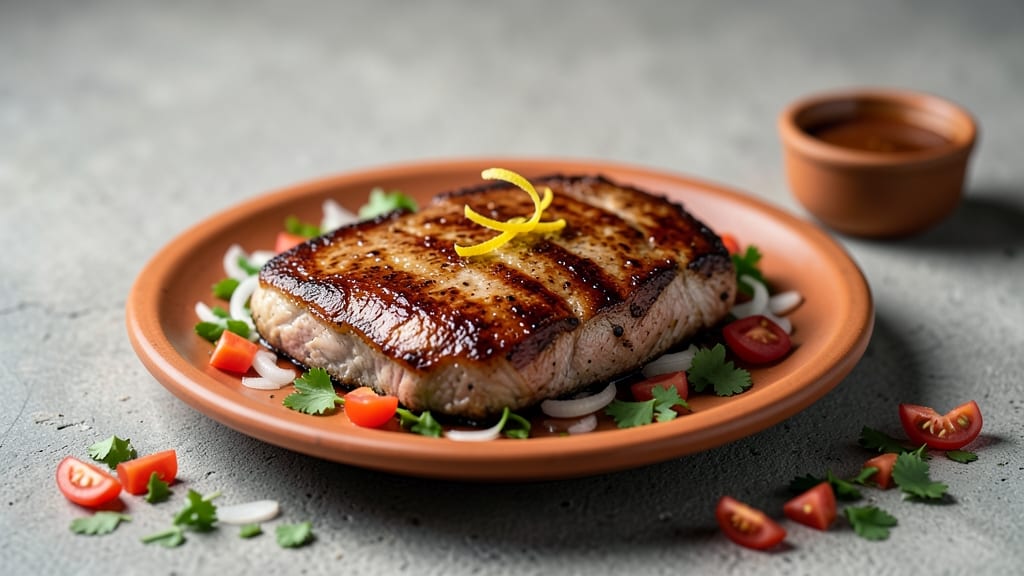
This Puerto Rican Chuletas recipe delivers crispy-crusted pork chops infused with bold adobo seasoning—a dish that transports you to the island’s vibrant kitchens. The secret lies in marinating the chops overnight, allowing the flavors to penetrate deeply while creating that signature crust when seared.
I’ve perfected this method over years of testing, ensuring every bite is tender yet crispy, with layers of smoky, garlicky goodness.
The beauty of these chops is their versatility—they’re just as impressive grilled over charcoal as they are pan-fried on the stovetop. Pair them with traditional sides like sofrito, rice and beans, or tostones for an authentic Puerto Rican feast.
The adobo marinade isn’t just flavor; it’s a cultural touchstone, balancing heat, sweetness, and acidity in every bite. This recipe is foolproof for weeknight dinners or special occasions.
What you’ll achieve is restaurant-quality pork chops with a golden, crackling crust that gives way to juicy, flavorful meat. The adobo seasoning caramelizes slightly during cooking, deepening its complexity, while the marinade’s acidity tenderizes the pork perfectly.
Serve with a squeeze of lime and fresh cilantro to brighten the dish further. This is comfort food at its finest—bold, satisfying, and impossible to resist.
Ready to elevate your dinner table? These chops are the centerpiece of any meal, whether you’re cooking for family or hosting guests. Let’s get started—your taste buds are about to experience Puerto Rico’s magic.
Ingredients for puerto rican chuletas
Four pork chops, bold adobo magic, and a marinade that transforms simple ingredients into island-inspired perfection.
| Ingredient | Amount | Notes |
|---|---|---|
| Pork Chops (Bone-In) 🍖 | 4 whole | Center-cut, 1-inch thick preferred |
| Adobo Seasoning 🌶️ | ½ cup | Homemade or store-bought (see notes) |
| Extra-Virgin Olive Oil 🫒 | ¼ cup | For marinade and searing |
| Fresh Garlic Cloves 🧄 | 8 cloves | Minced for marinade |
| Orange Juice (Fresh) 🍊 | ½ cup | Brightens the marinade |
| Soy Sauce 🍶 | 2 tbsp | For umami depth |
| Lime Juice (Fresh) 🍋 | 2 tbsp | Brightens after cooking |
| Black Peppercorns 🌶️ | 1 tsp | Freshly cracked preferred |
| Ground Cumin 🌿 | 1 tsp | Toasted for warmth |
| Dried Oregano 🍃 | 1 tsp | Mexican oregano if available |
| Salt 🧂 | 1 ½ tsp | Diamond Crystal preferred |
| Fresh Cilantro 🌿 | ¼ cup | Chopped, for garnish |
| Lime Wedges 🍋 | 2 whole | For serving |
The pork chops are non-negotiable—bone-in, center-cut cuts from the butcher’s case create that signature crackling crust while keeping the meat juicy. Local butcher shops or Costco often carry these pre-cut, but if you’re buying whole pork loin, ask for the thickest, most tender portion. Look for chops with good marbling—they’ll stay moist during the long marinade. I always grab mine from Whole Foods when I’m feeling fancy, but the regular supermarket stuff works if it’s fresh. The adobo seasoning? Penzeys or local Latin markets have the best blends, but a mix of chili powder, garlic powder, and oregano gets you close if you’re in a pinch.
No adobo seasoning? Mix 2 tbsp chili powder, 1 tbsp garlic powder, 1 tsp cumin, and 1 tsp oregano—that’s your DIY version. Fresh garlic is ideal, but garlic powder at half the amount works in a bind. Soy sauce gives that umami kick, but coconut aminos are a great soy-free swap. The orange juice adds brightness—bottled works but fresh is better. If you’re short on time, marinate the chops for just 4 hours instead of overnight, though the flavor penetration won’t be as deep. The lime wedges? Mexican limes if you can find them, but regular limes work just fine.
Marinated chops keep in the fridge for up to 3 days, but the flavor peaks after 24 hours. The adobo marinade itself stays fresh for 1 week in a sealed jar. For leftovers, reheat gently in a skillet with a splash of water—never microwave, or the crust will turn soggy. I always make a double batch of marinade because it’s perfect for drizzling over rice or beans. Store any extra in the freezer for up to 6 months—just thaw in the fridge before using.
Why You’ll Love This Recipe
- No-Fuss Weeknight Win: I swear by this—just sear the bone-in chops in olive oil, slather them with adobo and garlic, then let the orange juice do its magic while you toss a salad. That’s dinner, no fuss.
- Crispy-Creamy Magic: The bone-in chops get this perfect crust—crispy edges, juicy inside—while the adobo and orange juice keep it bright and tangy. Honestly, the first bite makes me forget I’m not at my abuela’s table.
- Leftovers That Don’t Suck: These chops reheat like a dream—crispy bits stay crispy, no dryness in sight. I make double batches because they’re that good cold in sandwiches or reheated with rice the next day.
- Budget-Boosting Protein: Bone-in pork chops stretch further than you’d think, and adobo seasoning? A tiny jar goes a long way. Between us, this is how I feed my whole family without breaking the bank—no sad leftovers here.
Step-by-step instructions for crispy-crusted pork chops with adobo magic
Here’s how to transform simple pork chops into restaurant-quality chuletas with a perfect crispy crust.
Create the Adobo Marinade
In a medium bowl, combine the 0.5 cup adobo seasoning, 0.25 cup extra-virgin olive oil, 0.5 cup orange juice, 2 tbsp soy sauce, 2 tbsp lime juice, 1 tsp ground cumin, 1 tsp dried oregano, and 1.5 tsp salt. Mix until fully incorporated—this creates the flavor base that will penetrate the meat.
Next, add the 8 cloves fresh garlic cloves that have been minced, then stir again. The marinade should coat the back of a spoon with a vibrant, slightly tangy consistency. Let it sit at room temperature for 10 minutes to allow the flavors to meld before using.
Marinate the Pork Chops
Place the 4 whole bone-in pork chops in a shallow dish or resealable bag. Pour the marinade over them, ensuring each chop is fully coated. Turn the chops to distribute the marinade evenly on all sides. For best results, refrigerate for at least 2 hours, but I recommend marinating overnight if possible.
This step is crucial for achieving both tenderness and that signature crispy crust. The acidity from the citrus and vinegar in the adobo seasoning helps break down muscle fibers, while the oil ensures a perfect sear. Don’t skip this—it makes all the difference in the final texture.
Sear for Maximum Crispiness
Remove the pork chops from the refrigerator 30 minutes before cooking to bring them to room temperature. Heat a heavy skillet over medium-high heat until it’s smoking hot. Add the chops and cook undisturbed for 3-4 minutes per side, pressing down gently with a spatula to ensure even contact with the pan.
You’ll know they’re ready to flip when the edges develop a deep golden-brown crust and the meat releases easily from the pan. The key here is patience—rushing will prevent that perfect crispy exterior we’re after. Once both sides are beautifully browned, transfer the chops to a plate and tent loosely with foil to keep warm.
Finish with Fresh Herbs and Bright Lime
While the chops rest, return the skillet to medium heat and add the 0.25 cup fresh cilantro, stirring for 30 seconds until fragrant. This adds a fresh herbal note that balances the rich, spiced flavors of the chops. Remove from heat and set aside.
Slice each lime wedge into quarters and arrange them around the plate with the chops. The acidity from the lime will cut through the richness and enhance all the flavors. Serve immediately, spooning any accumulated juices from the pan over the top for maximum flavor impact.
Pro Tips For Making Puerto Rican Chuletas
- CRISP THE BONE FIRST: I learned this the hard way—skipping the bone sear means soggy skin and a bland crust. Sear the bone-in chops bone-side down in olive oil for 4-5 minutes until the bone blackens slightly, then flip. The bone acts like a heat sink, so this step guarantees the meat stays juicy while the exterior gets that golden, caramelized kick.
- MINCE GARLIC LIKE SAND: Fresh garlic cloves should be so finely minced they practically dissolve into the sauce. I was skeptical until I tried it—this recipe isn’t a place for big chunks. Use the flat side of your knife to crush the cloves first, then chop them into a paste. The flavor melds better, and you won’t taste raw garlic bits.
- DEGLAZE WITH ORANGE JUICE: Don’t just dump the juice in—let it work. After searing the chops, splash in about ¼ cup orange juice (not the whole thing) and let it bubble for 30 seconds before adding the rest. This pulls up all the browned bits (the flavor bombs) that would otherwise stick to your pan. Save the rest of the juice for later—it’s for balancing, not deglazing.
- REST UNDER FOIL: This isn’t the prettiest method, but it’s the tastiest. Once the chops hit 140°F internally, tent them loosely with foil and let them sit for 5-10 minutes. The bone keeps radiating heat, finishing the meat to perfection without drying it out. I know, I know—you want to serve it immediately—but trust the process.
Regional styles of puerto rican chuletas
San Juan Style
In San Juan, chuletas are often served with a mojo sauce—a garlic-infused olive oil drizzle that enhances the adobo flavors. Locals use orange mojo (with orange juice and zest) or white mojo (with garlic and vinegar).
I drizzle mine over the chops right before serving, then sprinkle with toasted capers for a briny contrast. 🌶️
Caribbean Grill Master
On the island’s west coast, especially in Mayagüez, chuletas are grilled over charcoal for smoky depth. The marinade here often includes ancho chili powder instead of adobo, giving it a slightly sweeter, earthier profile.
I recommend using mesquite charcoal if you have access—it adds a distinct, slightly floral aroma that pairs perfectly with the pork.
Mountain Town Twist
In the Cordillera Central region, chuletas are cooked with coquito (a Puerto Rican eggnog spice blend) in the marinade, adding warmth and depth.
The dish is often served with mofongo—mashed plantains mixed with garlic and chicharrón. I swap out the soy sauce for 2 tbsp coconut milk in the marinade to capture this mountain-inspired flavor.
Modern Fusion Approach
For a contemporary take, I’ve seen chefs in San Juan’s trendy restaurants incorporate avocado crema (blended avocado, sour cream, and lime) as a garnish. The creamy texture balances the spicy, smoky flavors beautifully.
Serve with roasted corn and black beans for a fresh, vibrant side that still feels authentically Puerto Rican.
Family-Style Serving
In traditional Puerto Rican gatherings, chuletas are served family-style—all the chops are placed in the center of the table with arroz con gandules (rice with pigeon peas) and habichuelas guisadas (stewed beans).
The adobo marinade is often thickened with a cornstarch slurry to make it into a dipping sauce. I love this approach for large groups—it’s interactive and keeps everyone fed.
Slow-Cooked Version
For a tender, fall-apart texture, some families braise the chops after searing. After the initial pan-sear, transfer the chops to a pot with 1 cup chicken broth, cover, and simmer on low heat for 2 hours.
The result is ultra-tender meat with a rich, flavorful sauce. I finish by reducing the sauce and drizzling it over the top before serving. 💫
Nutrition facts
Frequently asked questions
What’s the secret to getting those perfect crispy crusts on the pork chops?
The magic happens with a hot skillet and patience. Cook the chops on medium-high heat until the pan is smoking, then sear undisturbed for 3-4 minutes per side. Press down gently with a spatula to ensure full contact—this creates that golden, crackling crust while keeping the inside juicy. The overnight marinade also helps by tenderizing the meat just enough to caramelize beautifully.
Can I make these pork chops without adobo seasoning?
Mix 2 tbsp chili powder, 1 tbsp garlic powder, 1 tsp cumin, and 1 tsp oregano for a DIY version. For extra depth, add 1 tsp smoked paprika or ½ tsp cinnamon—these spices mimic adobo’s complexity. The citrus and garlic in the marinade will still give you that authentic Puerto Rican flavor profile. Just let the marinade sit for 10 minutes before using to meld the flavors.
How do I keep the pork chops from drying out when grilling?
Start with bone-in pork chops—the bone helps retain moisture. Never overcook! Use a meat thermometer and remove the chops when they reach 145°F internally. Let them rest for 5 minutes before slicing. For extra insurance, brush with a little olive oil before grilling to create a protective barrier. The marinade’s acidity also tenderizes the meat, preventing dryness.
What are the best sides to serve with these chuletas?
Classic pairings include arroz con gandules (rice with pigeon peas), habichuelas guisadas (stewed beans), or tostones (twice-fried plantains). For a lighter option, try ensalada de aguacate (avocado salad) with lime. The adobo flavors work beautifully with anything citrusy—try a simple mango salad or pineapple salsa to cut through the richness.
Can I prep the marinade ahead of time?
Yes! The marinade keeps in the fridge for 1 week in an airtight container. For best results, marinate the chops for 2-3 hours (minimum) if using pre-made marinade. If you’re short on time, marinate for 4 hours—just know the overnight version delivers deeper flavor. The marinade also makes a fantastic sauce: simmer it for 5 minutes to thicken, then drizzle over rice or beans.

- Yoder Prime Rib Roast Recipe: Smoked Low and Slow to Fall-Apart Tender - November 29, 2026
- Breaded Cheese Balls Recipe: Crispy Golden Bites With Gooey Centers - November 29, 2026
- Minced Meat Spaghetti Recipe: One-Pan Italian Comfort with Rich Ragù - November 29, 2026