
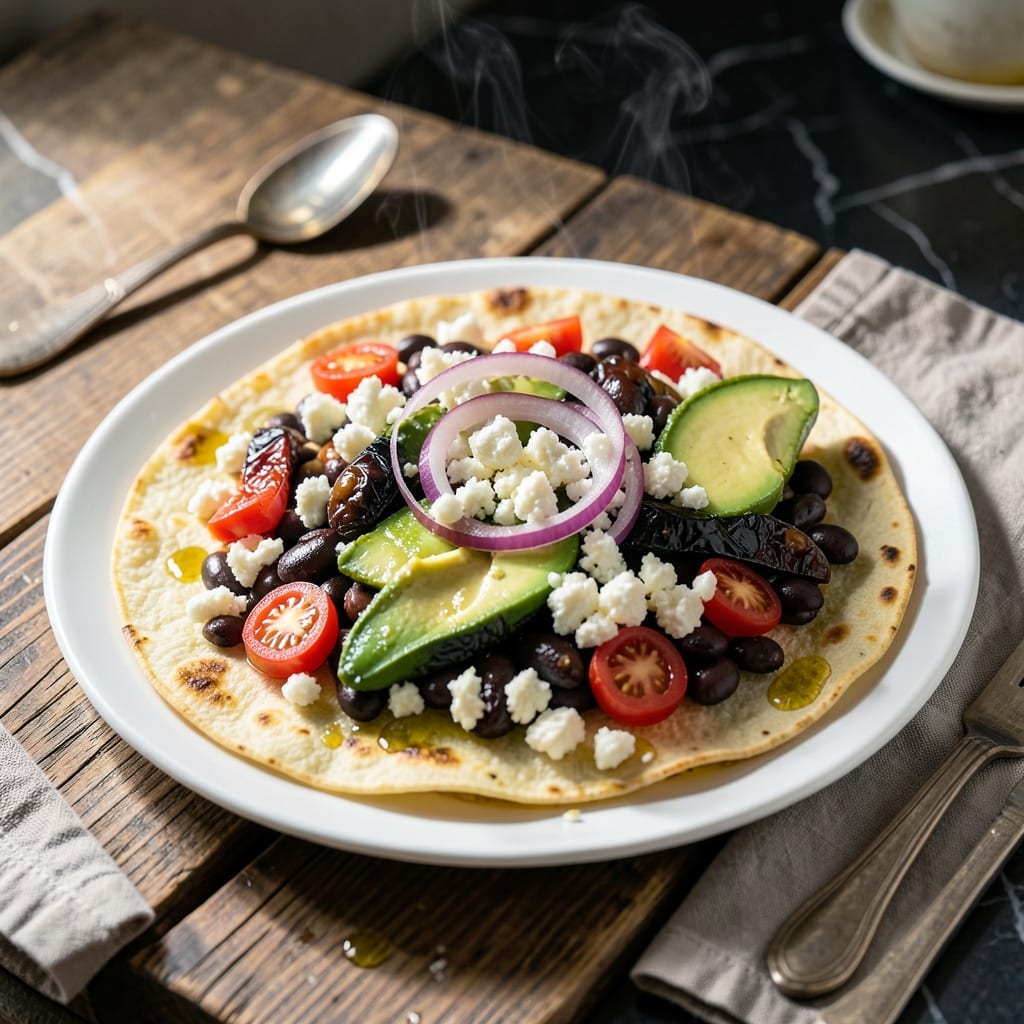
Queso fresco transforms simple ingredients into vibrant, authentic Mexican dishes. This fresh, mild cheese brings a creamy texture and subtle tang that elevates every bite.
I’ve tested countless ways to use it, from crumbling over tacos to stuffing into chiles rellenos. Its versatility makes it a kitchen staple for both quick meals and impressive spreads.
What makes this cheese special is its ability to hold its shape when heated yet melt beautifully into sauces. It’s the perfect finishing touch for vegetarian-friendly recipes that need a rich, dairy note.
These ideas will help you make the most of queso fresco, turning ordinary dishes into restaurant-worthy creations.
Ingredients for Queso Fresco Recipe Ideas
Fresh cheese, garden veggies, and warm tortillas make this a vibrant meal.
| Ingredient | Amount | Notes |
|---|---|---|
| Queso Fresco 🧀 | 8 oz | Crumbled, for topping |
| Corn Tortillas 🌮 | 8 pieces | Warm before serving |
| Black Beans 🫘 | 1 can | Drained and rinsed |
| Avocado 🥑 | 2 whole | Pitted, sliced for topping |
| Roma Tomatoes 🍅 | 3 whole | Diced for salsa |
| Red Onion 🧅 | ½ whole | Finely diced for salsa |
| Cilantro 🌿 | ½ cup | Chopped, for garnish |
| Lime 🍈 | 2 whole | Juiced for dressing |
| Jalapeño 🌶️ | 1 whole | Seeded, minced for heat |
| Olive Oil 🫒 | 2 tbsp | Extra-virgin for richness |
| Salt 🧂 | 1 tsp | Kosher preferred |
| Ground Cumin 🌿 | 1 tsp | Toasted for depth |
| Chili Powder 🌶️ | 1 tsp | Mild or hot variety |
| Poblano Peppers 🌶️ | 2 whole | Roasted, for chiles rellenos |
The queso fresco is the star here. Cacique or Queso Fresco Casa are my go-to brands—look for the freshest blocks in the Latin dairy section (not the pre-crumbled stuff, which dries out). For the tortillas, La Tortilla Factory or handmade from a local Mexican market are worth the splurge. Poblano peppers should be firm and glossy, no soft spots. If you’re short on time, grab pre-roasted ones from Trader Joe’s.
No queso fresco? Feta at half the amount works in a pinch, but it’s saltier—rinse it first. Swap black beans for pinto or kidney beans (no need to adjust amounts). For the chili powder, Penzeys has fantastic blends, or use one-third the amount of cayenne if you want more heat. The avocado can be swapped for mango if you want a sweet-tart twist (trust me).
Assemble tacos just before serving—queso fresco softens if left too long. Leftovers (without cheese) keep 3-4 days in the fridge. The salsa stays fresh for 5 days in a sealed container (the lime juice helps). Roasted poblanos freeze beautifully for 3 months.
Why You’ll Love This Recipe
- No-Fuss Assembly: I just crumble the queso fresco over warm tortillas, dump the beans, and slice the avocado—no fancy steps.
- Creamy Crunch Combo: That soft queso with the crisp tortilla edges and buttery avocado? Honestly, it’s my favorite bite.
- Weeknight Lifesaver: Between us, I’ve served this for Taco Tuesday, lunch boxes, and even breakfast with an egg on top.
- Leftovers? Yes Please: The flavors actually get better overnight, and the avocado stays fresh tucked under the cheese.
Step-by-Step Instructions for Queso Fresco Dishes
Here’s how to transform these simple ingredients into something extraordinary.
Step 1: Roast the Poblano Peppers to Perfection
Preheat your oven to 450°F and place the 2 whole Poblano Peppers on a baking sheet. Roast for 20-25 minutes, turning occasionally, until the skins are charred and blistered all over. This high heat brings out their natural sweetness.
Once charred, transfer the peppers to a bowl and cover with a towel. Let them steam for 10 minutes—this makes peeling effortless. The peppers should be soft to the touch when ready. Peel off the charred skin, remove seeds, and chop for chiles rellenos or other preparations.
Step 2: Build a Flavor-Packed Salsa Fresca
Finely dice the 3 whole Roma Tomatoes and 0.5 whole Red Onion. Combine them in a bowl with the seeded, minced Jalapeño. The onion should be finely diced for even flavor distribution.
Add the juice from 2 whole Lime and half of the 0.5 cup Cilantro, chopped. Season with 1 tsp Salt and let it sit for 10 minutes to allow the flavors to meld. This salsa should be bright, tangy, and slightly spicy—perfect for topping or pairing with your queso fresco dishes.
Step 3: Season and Warm the Black Beans
Drain and rinse the 1 can Black Beans, then transfer them to a saucepan. Add 2 tbsp Olive Oil, 1 tsp Ground Cumin, and 1 tsp Chili Powder. Stir to combine and cook over medium heat for 5-7 minutes until heated through.
The beans should be fragrant and slightly glossy from the olive oil. Taste and adjust seasoning if needed, but remember the queso fresco will add a salty note when served together.
Step 4: Assemble Tacos with Queso Fresco
Warm the 8 pieces Corn Tortillas in a dry skillet or over an open flame for 10-15 seconds per side. They should be soft and pliable, not crispy. Layer each with a spoonful of the seasoned black beans.
Top with slices from 2 whole Avocado and crumbled 8 oz Queso Fresco. The cheese should be sprinkled generously—it adds a creamy, mild tang that balances the other flavors. Finish with the remaining chopped cilantro and a drizzle of lime juice.
Pro Tips For Making Queso Fresco Recipe Ideas
- Warm the Queso: I learned this the hard way—cold queso fresco crumbles unevenly and tastes flat. Let it sit at room temp for 15-20 minutes before using, or microwave for 10 seconds to soften slightly.
- Toast Tortillas Dry: Skip the oil when toasting corn tortillas for tacos or chilaquiles. A dry skillet over medium-high heat for 30 seconds per side gives better texture without sogginess.
- Salt the Avocado Last: Sounds weird, but it works: salt avocado just before serving, not during prep. This keeps it from turning mushy or discoloring too fast.
- Drain the Beans Well: After burning three batches of black beans in my skillet, I finally figured out that excess liquid from canned beans makes everything watery. Rinse and drain thoroughly, then pat dry.
Wine and Beer Pairings for This Dish
Crisp White Wines
A Sauvignon Blanc from New Zealand cuts through queso fresco’s creaminess with its zesty lime and grapefruit notes. I love Kim Crawford or Oyster Bay for this pairing. The acidity refreshes your palate between bites of tacos. 🍷
Light Mexican Beers
A cold Mexican lager like Modelo Especial or Pacifico complements the dish with its crisp, clean finish. The light malt sweetness balances the cheese’s saltiness, while the carbonation cleanses your palate. Serve ice-cold for best results.
Fruity Rosé Options
A dry Provence rosé with strawberry and citrus notes pairs beautifully with the fresh flavors in this dish. I recommend Whispering Angel for its consistent quality. The subtle fruitiness enhances the avocado and tomato without overpowering them.
Spicy Red Wines
For red wine lovers, a chilled Beaujolais like Louis Jadot offers bright red fruit flavors that work surprisingly well. The light tannins won’t clash with the queso fresco’s mildness. Serve slightly chilled at 55°F. 🔥
Craft Beer Alternatives
A wheat beer such as Blue Moon or Hoegaarden brings citrusy, slightly sweet notes that match the lime in the salsa. The creamy mouthfeel of the beer mirrors the queso fresco’s texture. Add an orange slice for extra brightness.
Non-Alcoholic Pairings
Try Jarritos Mandarin or Tamarind soda for a refreshing, alcohol-free option. The citrus and tropical fruit flavors complement the dish’s fresh ingredients. Sparkling water with lime also works well for cleansing your palate.
Nutrition Facts
Frequently Asked Questions
Can I substitute feta for queso fresco?
Yes, but use half the amount since feta is saltier. Rinse it first to reduce the sodium content. The flavor will be tangier, but it works in most dishes.
How do I store leftover crumbled queso fresco?
Keep it in an airtight container in the fridge for up to 1 week. For best texture, avoid freezing as it can make the cheese crumbly.
Why does my queso fresco melt differently than other cheeses?
It’s a fresh cheese with low moisture and fat, so it softens but doesn’t fully melt like cheddar. Perfect for sprinkling over hot dishes without losing its shape.
Can I use it in baked dishes?
Add it at the end of baking to preserve its texture. Works great in casseroles or as a topping for enchiladas.

- BBQ Sausage Recipe Oven: Smoky Depth Without the Grill - September 28, 2026
- BBQ Chicken Bowl Recipe Rice: Smoky Sweetness Over Fluffy Grains - September 28, 2026
- Beef Cutlet Recipe Ideas: Crispy Breaded Patties With Bold Seasonings - September 28, 2026