
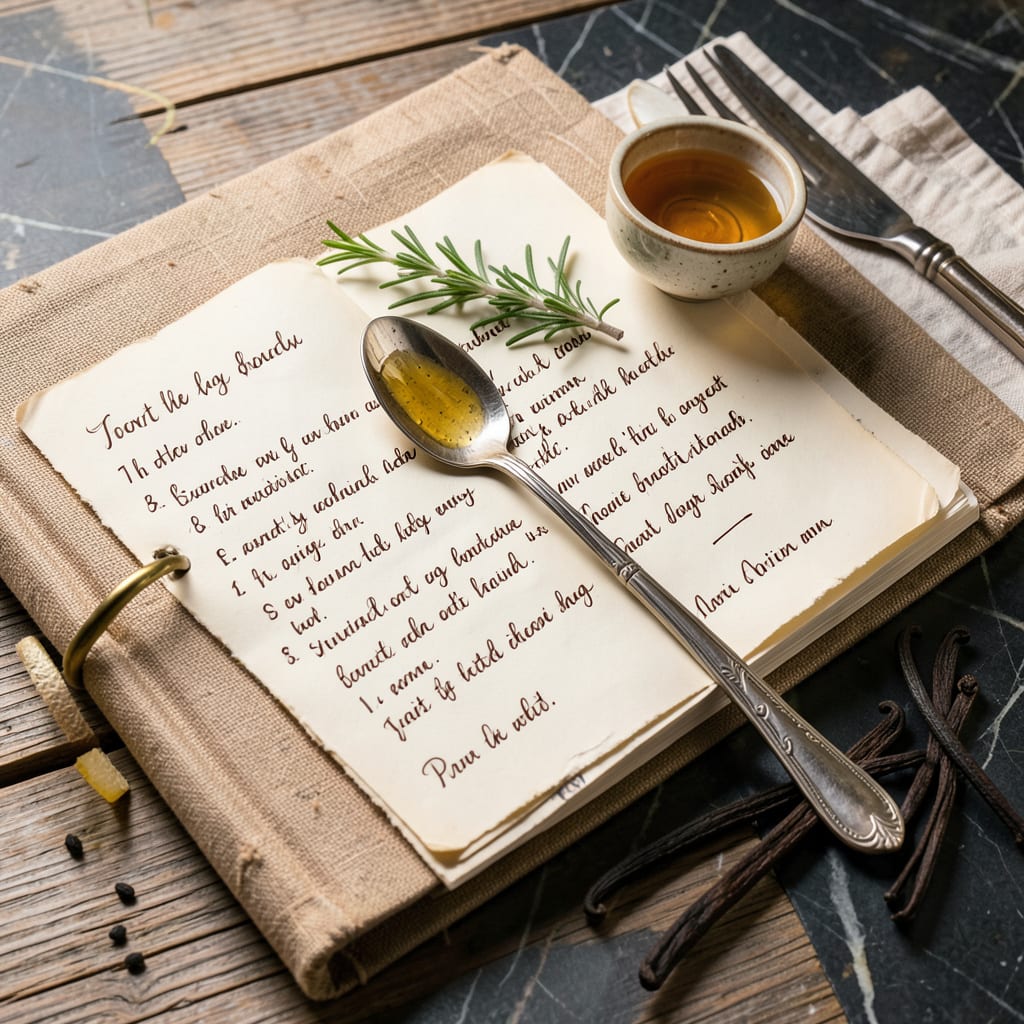
A recipe card book helps organize handwritten or printed recipes in a compact, durable format. Choose between pre-designed books with dividers or customizable blank cards for personalization. Ideal for preserving family recipes or meal planning.
I’ve found these books transform chaotic recipe collections into functional kitchen tools. The best options use acid-free paper to prevent yellowing over decades, while leather-bound covers withstand frequent handling. What sets them apart is their adaptability—whether you’re archiving great-grandma’s pie crust secrets or creating a visual menu planner for weekly dinners. 🔥
Many home cooks don’t realize how these systems can evolve with their needs. The divider tabs aren’t just for alphabetical sorting—they work beautifully for dietary categories (vegan, gluten-free) or cooking methods (slow cooker, air fryer). I particularly love versions with pocket sleeves for storing clippings or photos alongside written recipes. ✨
💡 In This Article
- Key Features to Look for in a Recipe Card Book
- Creative Ways to Use a Recipe Card Book Beyond Storage
Key Features to Look for in a Recipe Card Book
The foundation of a great recipe card book starts with its materials. Look for acid-free paper (pH-neutral) that resists yellowing and deterioration over decades—critical for preserving family recipes. The paper weight matters too: 80-100 lb cardstock prevents ink bleed-through while remaining flexible enough for frequent handling.
Premium options use cotton-based paper that feels substantial yet smooth for writing, similar to high-end stationery.
Organization systems make or break functionality. The best designs include removable dividers with reinforced tabs that won’t tear after repeated use. I prefer systems with 12-15 categories (breakfast, soups, desserts) plus blank tabs for customization. Some innovative models feature color-coded edges—like library card catalogs—that let you spot sections instantly.
The binding should lay flat when open, with metal rings or screw posts that allow page additions without damaging the spine.
Size considerations impact practicality. Standard 4×6 inch cards fit most printed recipes without folding, while 5×7 inch versions accommodate detailed instructions or photos. Thickness matters for portability—a 1.5-2 inch spine holds 200-300 cards comfortably.
For durability, genuine leather covers develop a rich patina over time, while vegan leather alternatives offer water resistance for messy kitchen environments. 🔥
Archival safety features often get overlooked. Look for books with UV-resistant covers to prevent sun fading, and alkaline buffers in the paper that neutralize environmental acids. Some premium brands include silica gel packets in storage boxes to control humidity.
The ink compatibility matters too—test with your favorite pens to ensure no feathering or ghosting occurs on the cardstock surface.
Specialized features can elevate functionality. Magnetic closures keep cards secure during transport, while elastic band placeholders mark your current recipe. Some systems integrate clear pocket sleeves for clippings or photos, and dry-erase surfaces on dividers for temporary notes.
For digital integration, certain brands offer QR code stickers to link physical cards to online versions—a brilliant hybrid solution for modern cooks. ✨
The best recipe card books balance tradition with innovation. I’ve seen heirloom-quality versions with embossed initials and hand-stained edges that become family treasures. Others incorporate modular designs where you can swap out sections as your cooking focus changes.
The key is choosing features that match your workflow—whether you’re a meticulous meal planner or a spontaneous cook who needs quick access to favorites. 💫

- BBQ Sausage Recipe Oven: Smoky Depth Without the Grill - September 28, 2026
- BBQ Chicken Bowl Recipe Rice: Smoky Sweetness Over Fluffy Grains - September 28, 2026
- Beef Cutlet Recipe Ideas: Crispy Breaded Patties With Bold Seasonings - September 28, 2026