
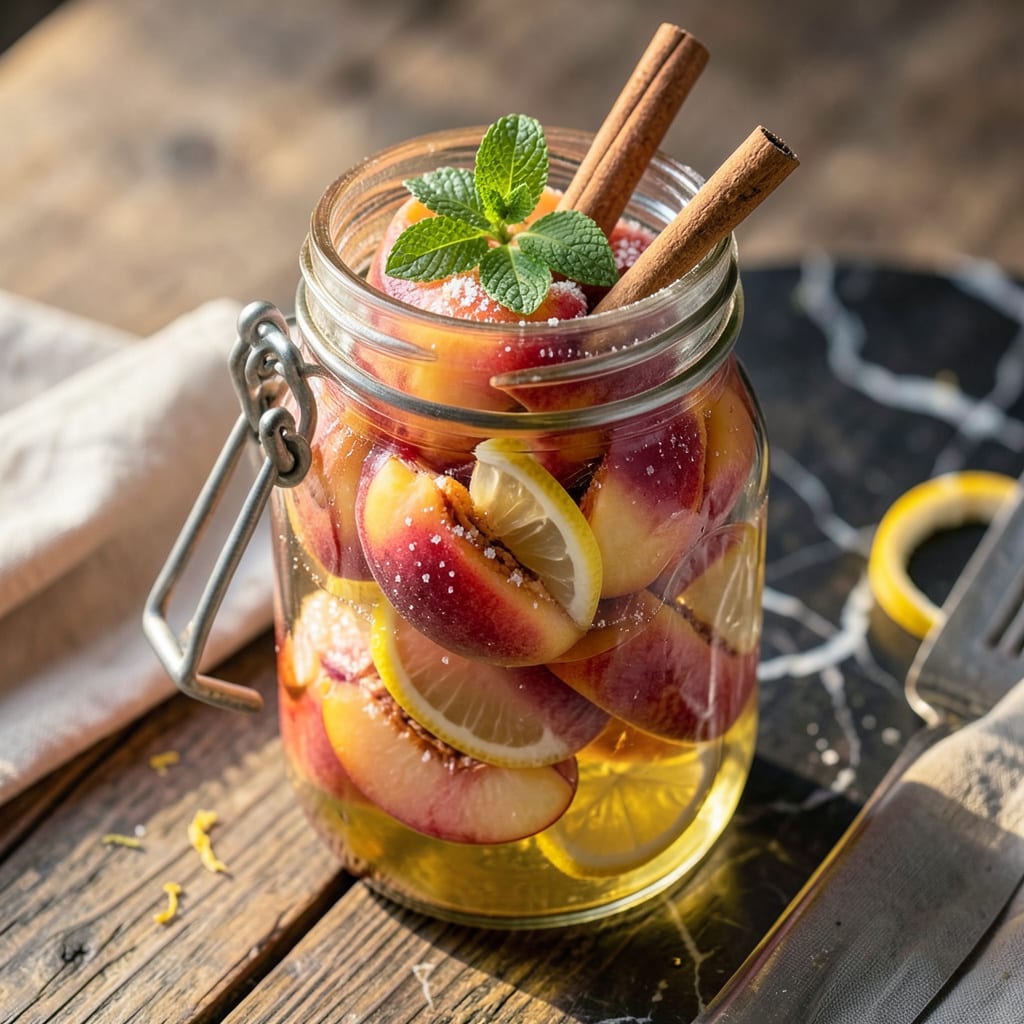
To freeze peaches, peel and slice ripe fruit, treat with lemon juice or ascorbic acid to prevent browning, then pack into airtight containers or freezer bags. Store at 0°F for up to 10-12 months for best quality.
This method preserves both flavor and texture by halting enzymatic reactions that cause spoilage. 🔥 I’ve found that using a light sugar syrup (1 cup water to ¼ cup sugar) before freezing helps maintain the fruit’s natural juiciness better than dry packing alone. The key is working with fully ripe peaches—they freeze more successfully than underripe ones because their cell structure is more stable. Properly frozen peaches retain their vibrant color and work beautifully in smoothies, cobblers, or as a topping for yogurt.
💡 In This Article
- Why Pre-Treatment Matters When Freezing Peaches
- Best Containers and Packing Methods for Frozen Peaches
Why Pre-Treatment Matters When Freezing Peaches
The moment you slice a peach, enzymatic browning begins. This happens because polyphenol oxidase enzymes react with oxygen in the air, creating those unappetizing brown spots. 🔥 Lemon juice or ascorbic acid (vitamin C) work as antioxidants—neutralizing these enzymes by donating hydrogen atoms that block the browning reaction.
Just 1 tablespoon lemon juice per cup of peaches provides enough acidity to maintain color.
Ripeness dramatically impacts freezing success. Underripe peaches contain more pectin, which breaks down during freezing and creates a mushy texture. Fully ripe fruit (yielding slightly to pressure) has developed maximum sugar content (10-15% natural sugars), which acts as a natural preservative.
The sugar lowers the freezing point, creating smaller ice crystals that cause less cell damage. This is why frozen ripe peaches retain better texture than their underripe counterparts.
Sugar syrups create a protective barrier around fruit cells. A light syrup (1 cup water to ¼ cup sugar) maintains osmotic balance—preventing water from migrating out of cells during freezing. Without this, ice crystals form between cells, rupturing membranes and causing that dreaded “freezer-burned” texture.
Dry-packed peaches lose about 20% more moisture during storage compared to syrup-packed ones.
Temperature fluctuations are the silent enemy. Each degree above 0°F accelerates enzyme activity and ice crystal growth. Commercial flash-freezing at -20°F creates perfect results, but home freezers can achieve similar quality by spreading peaches on a tray first. This individual quick-freeze (IQF) method prevents clumping and maintains separate pieces for easy portioning later. ✨
The pH level matters more than you think. Peaches naturally sit at pH 3.9-4.2, which is ideal for preservation. Adding lemon juice (pH 2) lowers this further, creating an environment where spoilage microbes struggle to grow.
This is why commercially frozen peaches often include citric acid—it’s not just for color, but for extending shelf life by 3-4 months compared to untreated fruit.
Here’s what happens at the cellular level: Freezing causes water in plant cells to form sharp ice crystals. Without proper treatment, these crystals pierce cell walls, releasing enzymes that accelerate deterioration.
The sugar in syrups or the natural ripeness of the fruit acts as a cryoprotectant—binding water molecules and creating smaller, rounder ice crystals that do less damage. 💫
For best results, work in small batches. Peaches exposed to air for more than 10 minutes before freezing show measurable quality decline. I recommend prepping no more than 4-5 peaches at a time, treating immediately with acid, and freezing within minutes. This attention to timing preserves that just-picked flavor and texture for months to come.

- BBQ Sausage Recipe Oven: Smoky Depth Without the Grill - September 28, 2026
- BBQ Chicken Bowl Recipe Rice: Smoky Sweetness Over Fluffy Grains - September 28, 2026
- Beef Cutlet Recipe Ideas: Crispy Breaded Patties With Bold Seasonings - September 28, 2026