
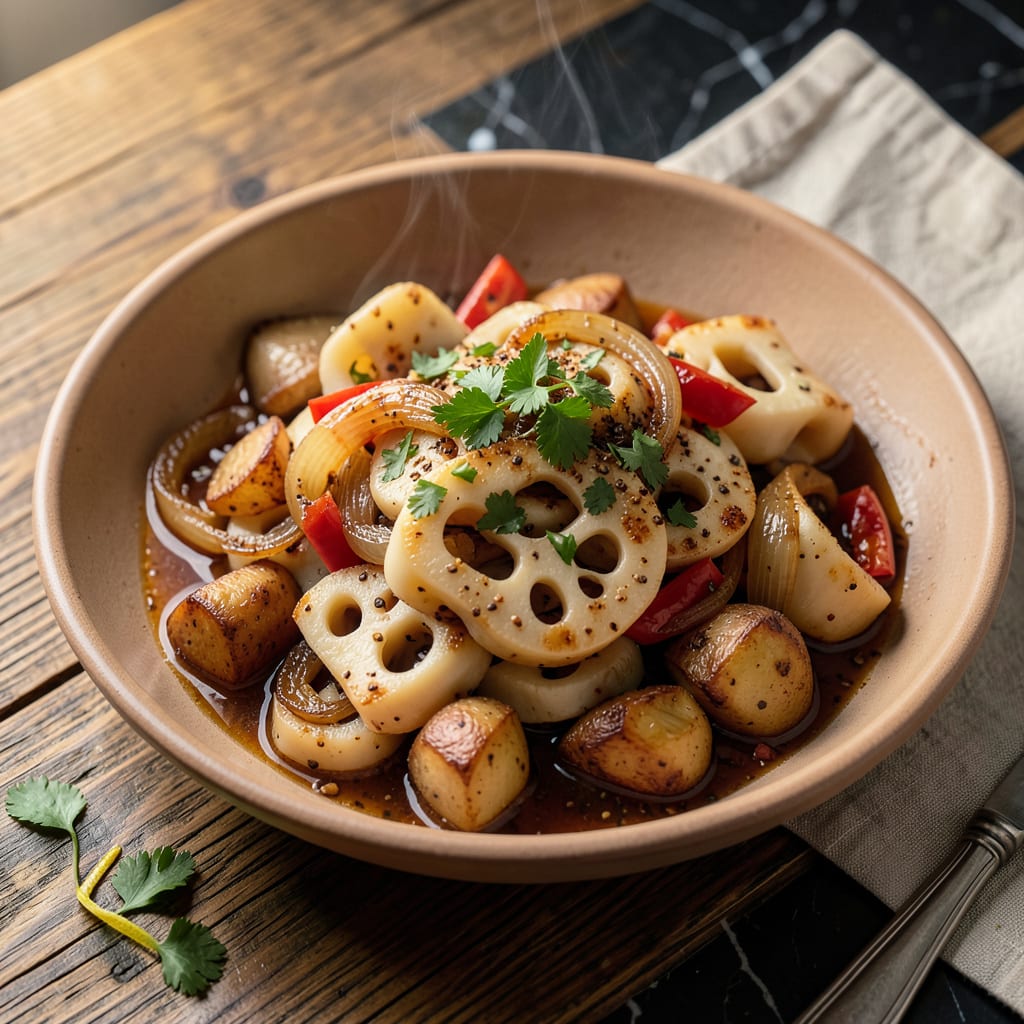
Beef tripe is best prepared by cleaning thoroughly, then simmering in broth with onions, garlic, and spices for 2-3 hours until tender. Popular versions include Mexican menudo with chili peppers or Italian trippa alla romana with tomatoes and Parmesan.
The key to great tripe lies in transforming its naturally chewy texture into something melt-in-your-mouth tender. 🔥 I always recommend a two-step process: first, a thorough rinse under cold water to remove any residual impurities, followed by a long, gentle simmer. This breaks down the collagen-rich connective tissues, which is why you can’t rush the cooking time. What’s fascinating is how different cultures use acidity—like tomatoes in Italian dishes or vinegar in Filipino callos—to further soften the meat and balance its rich, earthy flavor.
For home cooks, the real game-changer is understanding that tripe absorbs flavors like a sponge. ✨ That’s why I suggest building your broth with aromatic vegetables and bold spices early in the process. Whether you’re making a spicy menudo or a comforting trippa alla romana, the tripe will take on whatever character you give it—making it one of the most versatile proteins in global cuisine.
💡 In This Article
- Why Proper Cleaning and Cooking Time Matter for Beef Tripe
- Global Beef Tripe Recipes and Seasoning Pairings
Why Proper Cleaning and Cooking Time Matter for Beef Tripe
Beef tripe’s chewy reputation comes from its dense collagen and elastin fibers—connective tissues that give it structure but require serious breakdown. 🔥 These proteins don’t dissolve like muscle fibers; instead, they need prolonged moist heat to convert into gelatin.
That’s why a quick sauté won’t cut it—you’re looking at 2-3 hours minimum of simmering to achieve that buttery texture. The science is simple: collagen melts at 160°F, but maintaining 180-200°F ensures complete transformation without drying out the meat.
Proper cleaning isn’t just about hygiene—it’s flavor insurance. Tripe often arrives with a faint gamey aroma from its stomach origins. A 30-minute soak in cold water with 2 tablespoons vinegar or lemon juice neutralizes odors by breaking down residual enzymes.
Mexican cooks take this further by boiling tripe with onion peels and bay leaves for 15 minutes before the main cook—this pre-treatment removes impurities while adding subtle aromatic layers.
The magic happens during the long simmer when collagen releases gelatin, creating that unctuous mouthfeel. Italian chefs swear by adding 1 cup dry white wine at the start—its acidity accelerates collagen breakdown while the alcohol carries flavors deep into the tripe.
Chinese preparations often include 1 teaspoon baking soda in the initial boil, which raises the pH just enough to tenderize faster without affecting final texture.
Temperature control makes or breaks your dish. Too high and the exterior dries before the center tenderizes; too low and you’ll wait forever. A gentle 190°F simmer is ideal—look for tiny bubbles breaking the surface, not a rolling boil.
Filipino callos masters use a clever trick: they start with cold water and bring it up slowly, which helps the tripe absorb liquid evenly and prevents the fibers from seizing up.
Here’s what most recipes don’t tell you: the resting period matters. After cooking, let tripe sit in its broth for 20-30 minutes off heat. This allows the gelatin to redistribute, ensuring every bite is uniformly tender.
In Portuguese dobrada, they even chill the cooked tripe overnight—the cold causes the gelatin to set, creating slices that hold their shape when reheated but melt instantly in your mouth. ✨
Different cuts require different approaches. Honeycomb tripe (the most prized) has the highest collagen content and benefits from 3-hour simmers. Book tripe, with its layered texture, needs 2.5 hours but rewards you with meatier bites. The key is testing doneness with a fork—it should slide in with slight resistance, like perfectly cooked pasta.
Remember, tripe continues tenderizing as it cools, so pull it just before it reaches your ideal texture.
The broth tells you everything. A properly cooked tripe will leave the liquid silky and slightly viscous—almost like a light consommé. If your broth looks thin or watery, you either undercooked the tripe or used too much liquid.
The best Mexican menudo cooks reduce their broth by one-third at the end to concentrate those gelatinous qualities, creating a spoon-coating richness that defines the dish. 💫

- BBQ Sausage Recipe Oven: Smoky Depth Without the Grill - September 28, 2026
- BBQ Chicken Bowl Recipe Rice: Smoky Sweetness Over Fluffy Grains - September 28, 2026
- Beef Cutlet Recipe Ideas: Crispy Breaded Patties With Bold Seasonings - September 28, 2026