
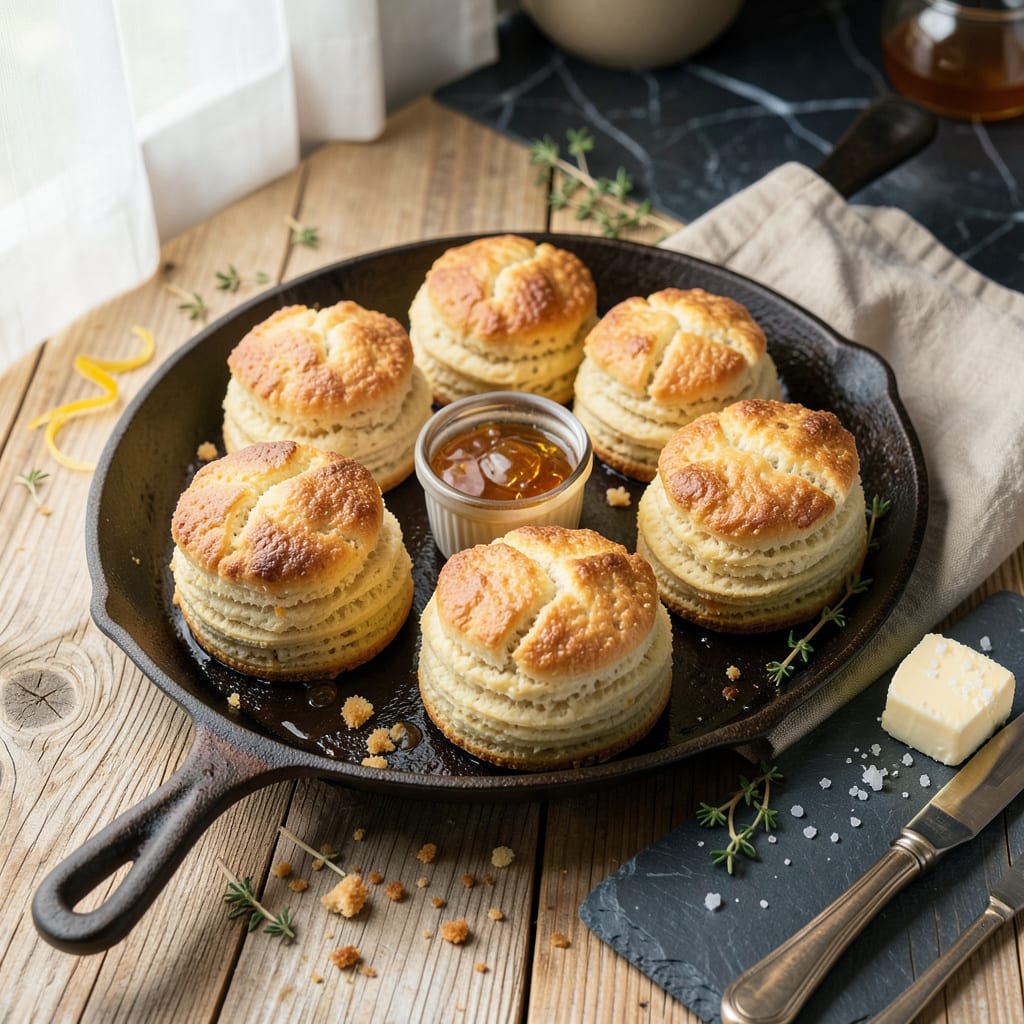
Transform canned biscuits into golden, flaky treats by brushing with melted butter, baking at 375°F for 10-12 minutes until puffed, and optionally topping with garlic powder or honey for extra flavor. Avoid overcrowding the pan for even browning.
This method works because the butter creates a crisp exterior while the dough’s leavening agents activate fully at that precise temperature. 🔥 I’ve found that spacing the biscuits 1-2 inches apart prevents them from steaming instead of browning, which is crucial for that bakery-style finish. The optional toppings aren’t just for flavor—they actually help control moisture levels during baking.
What’s particularly useful about this approach is its versatility across different meal contexts. ✨ You can serve these as breakfast sandwich bases, dinner roll substitutes, or even dessert shortcake foundations. The 10-12 minute bake time makes them ideal for last-minute meal additions when you’re short on prep time.
💡 In This Article
- How Canned Biscuit Dough Achieves Perfect Rise and Texture
- Creative Canned Biscuit Recipes Beyond the Basics
How Canned Biscuit Dough Achieves Perfect Rise and Texture
The magic behind canned biscuits lies in their carefully calibrated leavening system. Most brands use a combination of baking powder and baking soda that activates in two stages: first when exposed to moisture (like when you open the can), and again when heated.
The dough contains about 2-3% leavening agents by weight—enough to create those signature air pockets without causing bitter aftertastes. 🔥
When you bake at 375°F, the heat causes the leavening gases to expand rapidly, while the butter in the dough (typically 10-15% fat content) melts and creates steam. This dual action is what gives canned biscuits their dramatic rise—often increasing in height by 150-200% during baking.
The steam also separates the dough layers, creating that flaky texture that’s so satisfying to pull apart.
What most people don’t realize is that canned biscuit dough has a higher moisture content (40-45%) than homemade versions. This extra moisture means they need that precise 375°F temperature to achieve the right balance between rise and browning.
Too hot, and the exterior burns before the center cooks; too cool, and you get dense, gummy biscuits instead of light, airy ones. ✨
The butter brushing technique isn’t just for flavor—it creates a physical barrier that helps control moisture loss. When you brush melted butter before baking, it forms a thin crust that locks in steam during the first 5-7 minutes of baking.
This is why you’ll notice professional bakers often brush biscuits twice: once before baking and once after for that perfect golden sheen.
For comparison, homemade biscuits typically use cold butter cut into the dough, which creates more distinct layers but requires precise handling. Canned dough’s emulsified fat system makes it more forgiving—you can open the can, place the biscuits on a sheet, and still get consistent results.
The trade-off is slightly less layer definition, but the convenience factor is unmatched for quick meals. 💫
Here’s a pro tip: If you want to enhance the flakiness, try gently stretching each biscuit vertically by about 20% before placing on the baking sheet. This creates more surface area for the steam to separate the layers, mimicking the effect of folded homemade dough.
Just be careful not to overwork it, as that can deflate the carefully calibrated gas bubbles.

- BBQ Sausage Recipe Oven: Smoky Depth Without the Grill - September 28, 2026
- BBQ Chicken Bowl Recipe Rice: Smoky Sweetness Over Fluffy Grains - September 28, 2026
- Beef Cutlet Recipe Ideas: Crispy Breaded Patties With Bold Seasonings - September 28, 2026