
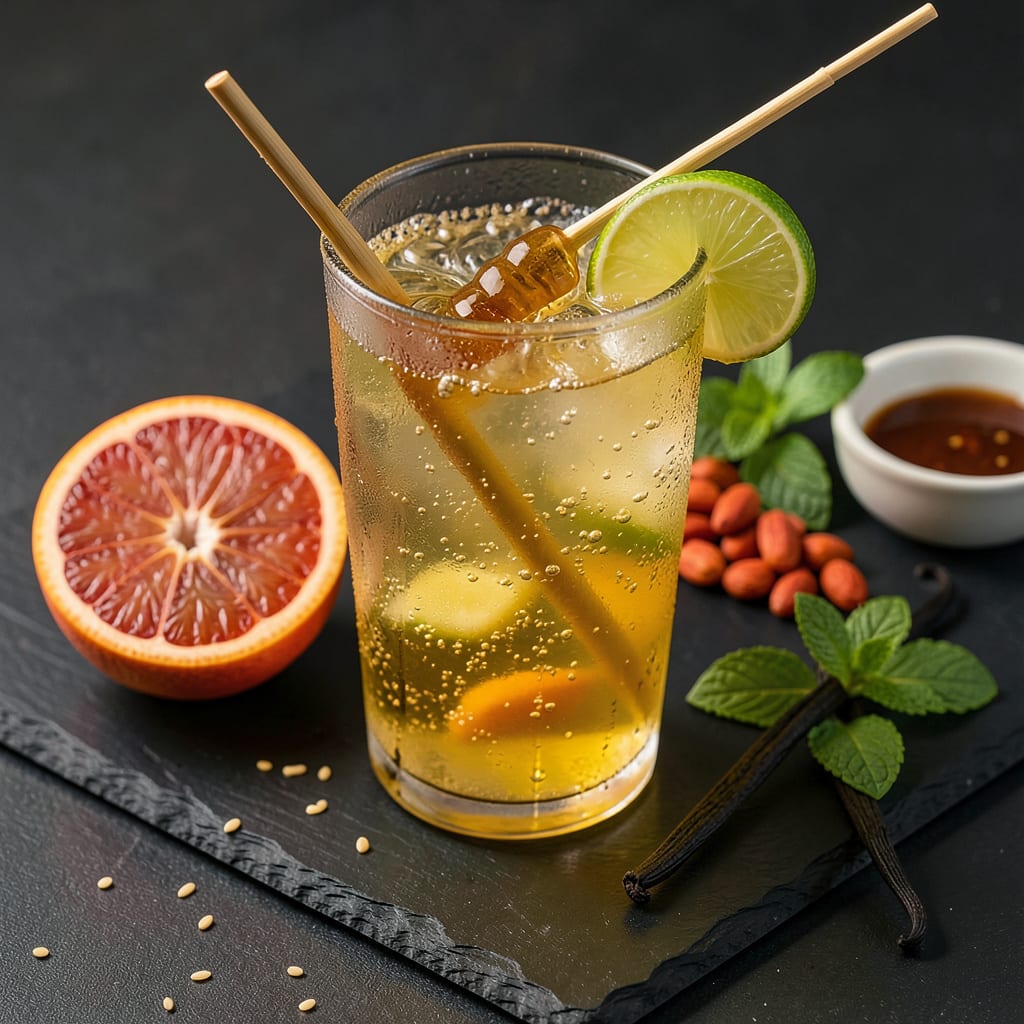
A simple homemade energy drink combines natural ingredients like green tea or matcha for caffeine, honey or maple syrup for quick energy, citrus juice for vitamin C, and a pinch of sea salt for electrolytes. Blend with cold water and optional ginger for an extra kick.
What sets homemade boosters apart is their ability to deliver sustained energy without artificial additives. 🔥 The natural caffeine in matcha releases gradually over 4-6 hours, avoiding the jitters that come with synthetic stimulants. Meanwhile, the electrolytes from sea salt help maintain hydration better than commercial drinks loaded with sugar. I’ve found this combination particularly effective for mid-afternoon slumps or pre-workout fuel.
Unlike store-bought options, you control every ingredient’s quality and quantity. ✨ The citrus juice not only adds brightness but also aids iron absorption, while ginger can help settle your stomach. This approach lets you tailor flavors and potency to your exact needs—whether you need a gentle lift or more intense focus.
💡 In This Article
- How Natural Ingredients Boost Energy in Homemade Drinks
- Customizing Your Energy Drink for Different Needs
How Natural Ingredients Boost Energy in Homemade Drinks
The magic starts with caffeine sources like matcha or yerba mate, which contain L-theanine—a compound that promotes calm focus. Matcha provides about 35mg caffeine per teaspoon (half a cup of coffee) but releases it slowly over 4-6 hours thanks to its fiber content.
Yerba mate offers a different profile with 80mg caffeine per cup plus saponins that enhance nutrient absorption. This gradual release prevents the crash you get from synthetic caffeine. 🔥
Natural sweeteners like honey or maple syrup do more than add flavor—they provide 17-20g carbohydrates per tablespoon for quick energy. Honey’s fructose-glucose ratio (1:1) gives immediate fuel, while maple syrup’s manganese supports metabolism. For electrolytes, coconut water delivers 600mg potassium per cup (more than a banana) plus magnesium, while sea salt provides sodium without additives.
The combination mimics commercial sports drinks but without artificial colors. ✨
Citrus juice isn’t just for taste—it contains 30-50mg vitamin C per ounce, which helps convert fat into energy and reduces exercise-induced oxidative stress. Ginger adds zing while improving circulation and reducing nausea. When you blend these, the vitamin C actually helps stabilize the caffeine molecules, making the energy boost last longer than coffee alone. 💫
Here’s what’s happening in your body: The caffeine blocks adenosine receptors (preventing fatigue signals), while B vitamins from nutritional yeast help convert food to energy. The electrolytes maintain fluid balance in cells, and natural sugars provide glycogen without spiking insulin. This synergy explains why homemade versions avoid the 3pm crash common with sugary energy drinks.
⚡
Timing matters too. Drinking this 30-45 minutes before activity allows the caffeine to peak when you need it. The natural sugars hit your bloodstream in 15-20 minutes, while electrolytes work immediately. For mental tasks, the L-theanine in matcha increases alpha brain waves within 30 minutes, enhancing focus without jitters.
This precise timing is why athletes and students both benefit. 🌟
Compare this to commercial options: A typical energy drink has 200mg caffeine (often synthetic) plus 54g sugar in 16oz, causing insulin spikes. Homemade versions deliver 50-100mg caffeine with 10-20g natural sugar, providing steady energy. The fiber in matcha and citrus pulp also slows sugar absorption, preventing blood sugar rollercoasters. 💛

- BBQ Sausage Recipe Oven: Smoky Depth Without the Grill - September 28, 2026
- BBQ Chicken Bowl Recipe Rice: Smoky Sweetness Over Fluffy Grains - September 28, 2026
- Beef Cutlet Recipe Ideas: Crispy Breaded Patties With Bold Seasonings - September 28, 2026