
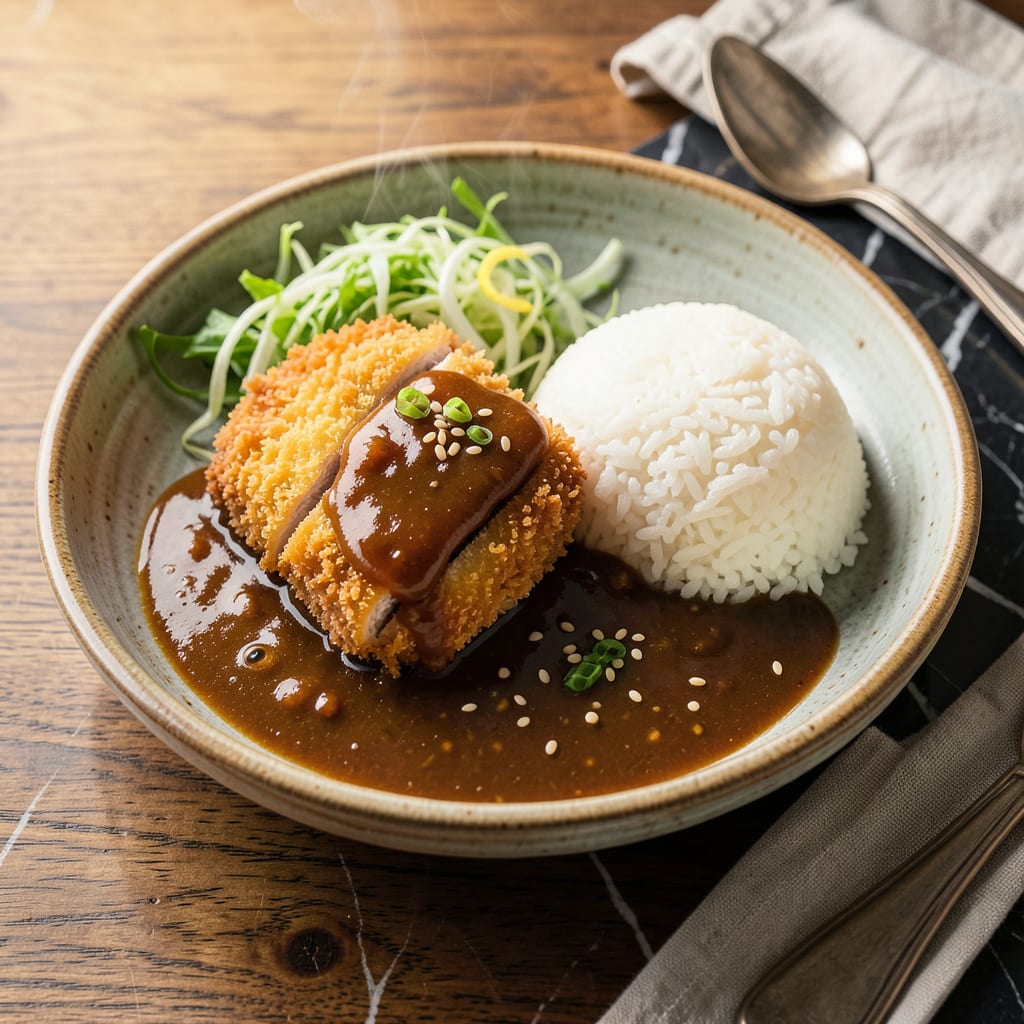
Katsu sauce combines Worcestershire sauce, ketchup, soy sauce, and sugar for a sweet-savory balance. Simmer 2 minutes for a thick, glossy texture perfect for tonkatsu or fried dishes.
This versatile Japanese condiment bridges Western and Asian flavors in a way that elevates simple fried dishes to restaurant-quality meals. 🔥 The magic happens when the sugar caramelizes slightly during simmering, creating a velvety consistency that clings beautifully to crispy cutlets. I’ve found that adjusting the ketchup-to-soy ratio lets you tailor the sauce—more ketchup for sweetness, extra soy for depth. What sets homemade versions apart is the freshness and ability to control ingredients, avoiding preservatives found in store-bought alternatives.
💡 In This Article
- Key Ingredients and Flavor Balance in Katsu Sauce
- Customizing and Storing Homemade Katsu Sauce
Key Ingredients and Flavor Balance in Katsu Sauce
The foundation of katsu sauce lies in its four core components, each playing a distinct role in creating that signature sweet-savory harmony. Worcestershire sauce brings fermented umami depth from anchovies and tamarind, while ketchup contributes fruity sweetness and tomato acidity.
The soy sauce adds salty richness, and sugar balances everything while helping the mixture caramelize during cooking. Traditional Japanese versions often use tonkatsu sauce (like Bull-Dog brand) as a base, but Western adaptations simplify this with pantry staples. 🔥
What’s fascinating is how the ratios transform the final product. A classic balance uses 1:1:1:0.5 (Worcestershire:ketchup:soy:sugar), but I’ve found that increasing ketchup to 1.5 parts creates a fruitier profile perfect for chicken katsu. The sugar content is crucial—too little and the sauce lacks body, too much and it becomes syrupy.
When simmered at medium-low heat (250-275°F) for 2-3 minutes, the sugars undergo Maillard reactions with the amino acids in soy sauce, developing complex caramel notes that store-bought versions can’t replicate. ✨
The science behind the thickness comes from sugar’s hygroscopic properties. As the mixture heats, sugar absorbs moisture from the other ingredients, creating that signature glossy consistency. Traditional Japanese recipes sometimes include mirin (sweet rice wine) for additional depth, while modern fusion versions might add honey or garlic powder.
The acidity level (pH around 4.5) from the ketchup and Worcestershire also helps preserve the sauce naturally, which is why homemade versions keep well. 💫
Temperature control during cooking makes all the difference. Heating above 300°F risks burning the sugars, while too-low heat won’t activate the caramelization. The ideal simmer creates tiny bubbles around the edges—this is when the flavors meld without reducing too quickly.
Professional chefs often finish with a splash of rice vinegar to brighten the flavors, though this isn’t traditional. The sauce’s versatility comes from this careful balance: sweet enough for kids, complex enough for adults, and viscous enough to cling to crispy coatings without overpowering them. ⚡
For those watching sodium, reducing the soy sauce by 25% and adding mushroom powder can maintain umami while cutting salt. The sauce’s color should be a rich mahogany—too dark means over-reduction, too light suggests insufficient cooking.
When properly made, it should coat the back of a spoon and leave a clean line when you draw your finger through it. This viscosity is what makes it perfect for both dipping and drizzling over tonkatsu or korokke. 🌟
Interestingly, the sauce’s flavor profile changes slightly when cooled. The umami notes become more pronounced at room temperature, while the sweetness dominates when warm. This is why many Japanese restaurants serve it slightly cooled—it creates a more balanced first impression.
The sauce also interacts differently with various proteins: it cuts through the richness of pork tonkatsu while complementing the milder flavor of chicken katsu. 💛
What most home cooks don’t realize is that the quality of Worcestershire sauce matters tremendously. British-style versions (like Lea & Perrins) have more anchovy depth, while American versions tend to be sweeter. For authentic flavor, Japanese Worcestershire sauces (like Kagome) contain apple and lemon purees, adding fruitiness that standard versions lack.
This single ingredient choice can make your homemade sauce taste either distinctly Western or closer to traditional Japanese versions. 🔥

- BBQ Sausage Recipe Oven: Smoky Depth Without the Grill - September 28, 2026
- BBQ Chicken Bowl Recipe Rice: Smoky Sweetness Over Fluffy Grains - September 28, 2026
- Beef Cutlet Recipe Ideas: Crispy Breaded Patties With Bold Seasonings - September 28, 2026