
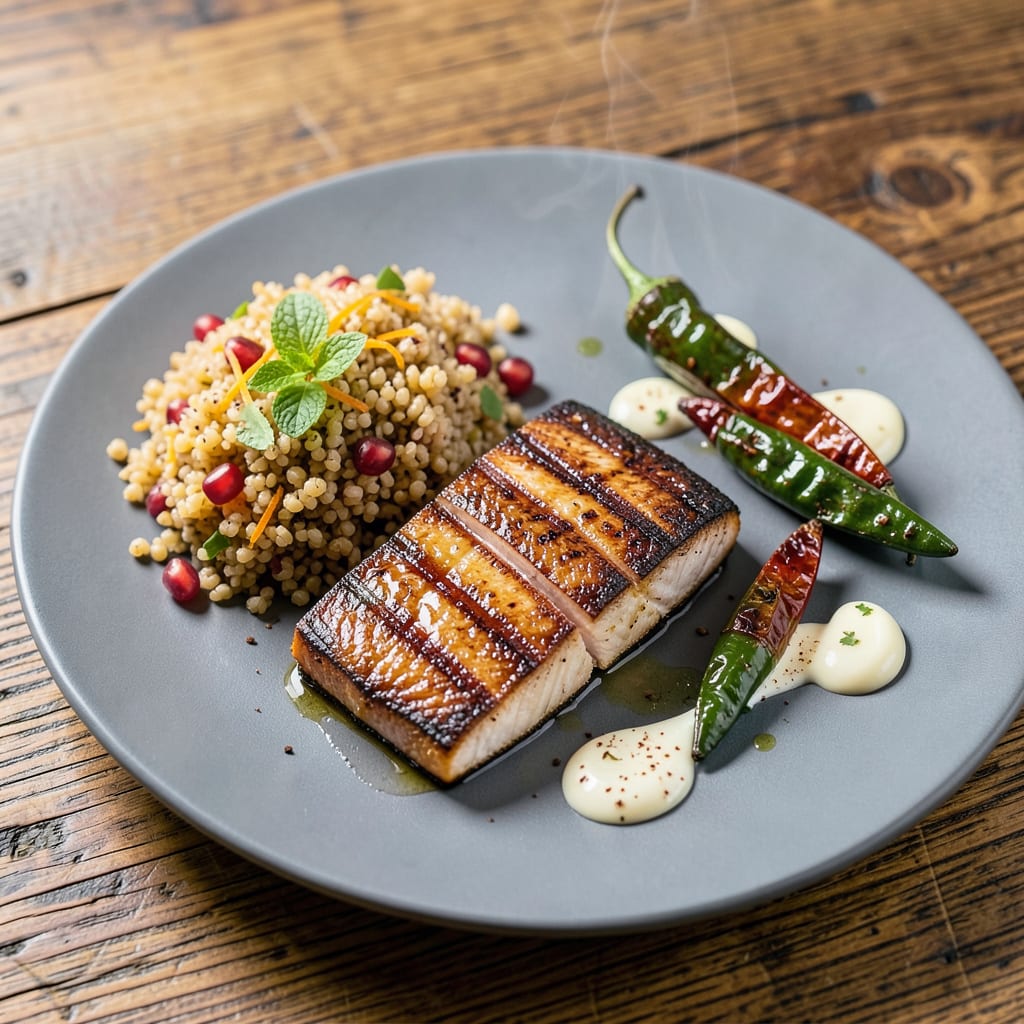
Recipe IQ means understanding how flavors, textures, and cooking methods interact to elevate dishes. Master it by learning classic pairings, balancing tastes, and experimenting with complementary ingredients for restaurant-quality results at home.
This culinary intelligence goes beyond following instructions—it’s about recognizing how sweetness can temper acidity or why crispy textures make creamy elements more satisfying. Think of it as developing a chef’s intuition for what makes food truly memorable. 🔥
I’ve found that the best cooks approach recipes like scientists, asking “Why does this work?” when they encounter successful combinations. Whether it’s the caramelization process that transforms onions or how citrus brightens rich sauces, these principles become your secret weapons in the kitchen. ✨
💡 In This Article
- The Science Behind Smart Ingredient Pairings
- 5 Techniques to Boost Your Recipe IQ Instantly
The Science Behind Smart Ingredient Pairings
At the molecular level, ingredient pairings work because of shared flavor compounds called aroma volatiles. When foods contain matching key volatiles, they naturally enhance each other’s flavors. For example, white chocolate and caviar both contain trimethylamine, creating an unexpected but scientifically sound pairing.
This principle explains why classic combinations like tomatoes and basil (both containing linalool) taste so harmonious. 🔥
The umami synergy between ingredients creates what chefs call flavor amplification. Foods rich in glutamates (like Parmesan cheese with 1,200mg/100g) and nucleotides (such as mushrooms with 150mg/100g) can increase perceived umami by up to 8 times when combined.
This is why Italian cuisine pairs tomatoes (glutamate-rich) with Parmesan, or why Japanese dashi combines kombu (glutamate) with bonito flakes (nucleotide). ✨
Cultural pairings often developed through flavor bridging—using a common ingredient to connect disparate elements. The French mirepoix (onions, carrots, celery) works because all three vegetables contain similar sulfur compounds that create a unified base flavor. Similarly, Indian cuisine uses garam masala to bridge sweet and savory dishes through shared warming spices like cinnamon and cardamom.
🌟
Texture contrast plays a crucial role in perceived flavor intensity. Studies show that alternating between crispy and creamy elements (like fried chicken and mashed potatoes) can increase flavor perception by 20-30%. This happens because different textures stimulate different parts of your mouth, keeping your taste buds engaged.
The crunch of a crouton on creamy soup isn’t just about mouthfeel—it actually makes the soup taste richer. ⚡
Temperature interactions create chemical reactions that transform flavors. Serving vanilla ice cream with warm apple pie isn’t just about contrast—it’s about thermal diffusion. The heat from the pie causes the ice cream to melt slightly, releasing more vanilla aromatics while the cold tempers the pie’s sweetness.
This principle applies to savory dishes too, like serving chilled gazpacho with warm crusty bread. 💫
Acid balance follows precise mathematical ratios in professional kitchens. The standard formula is 1 part acid to 10 parts base by volume. This explains why lemon juice works in tomato sauce (both acidic, but with different profiles) or why vinegar cuts through fatty dishes.
Top chefs use pH meters to measure acidity levels—home cooks can approximate this by tasting and adjusting in 1/4 teaspoon increments. 💛
What separates good cooks from great ones is understanding these invisible connections between ingredients. The next time you taste a perfectly balanced dish, you’ll recognize it’s not magic—it’s molecular compatibility, cultural wisdom, and sensory science working together in every bite. 🌟

- BBQ Sausage Recipe Oven: Smoky Depth Without the Grill - September 28, 2026
- BBQ Chicken Bowl Recipe Rice: Smoky Sweetness Over Fluffy Grains - September 28, 2026
- Beef Cutlet Recipe Ideas: Crispy Breaded Patties With Bold Seasonings - September 28, 2026