
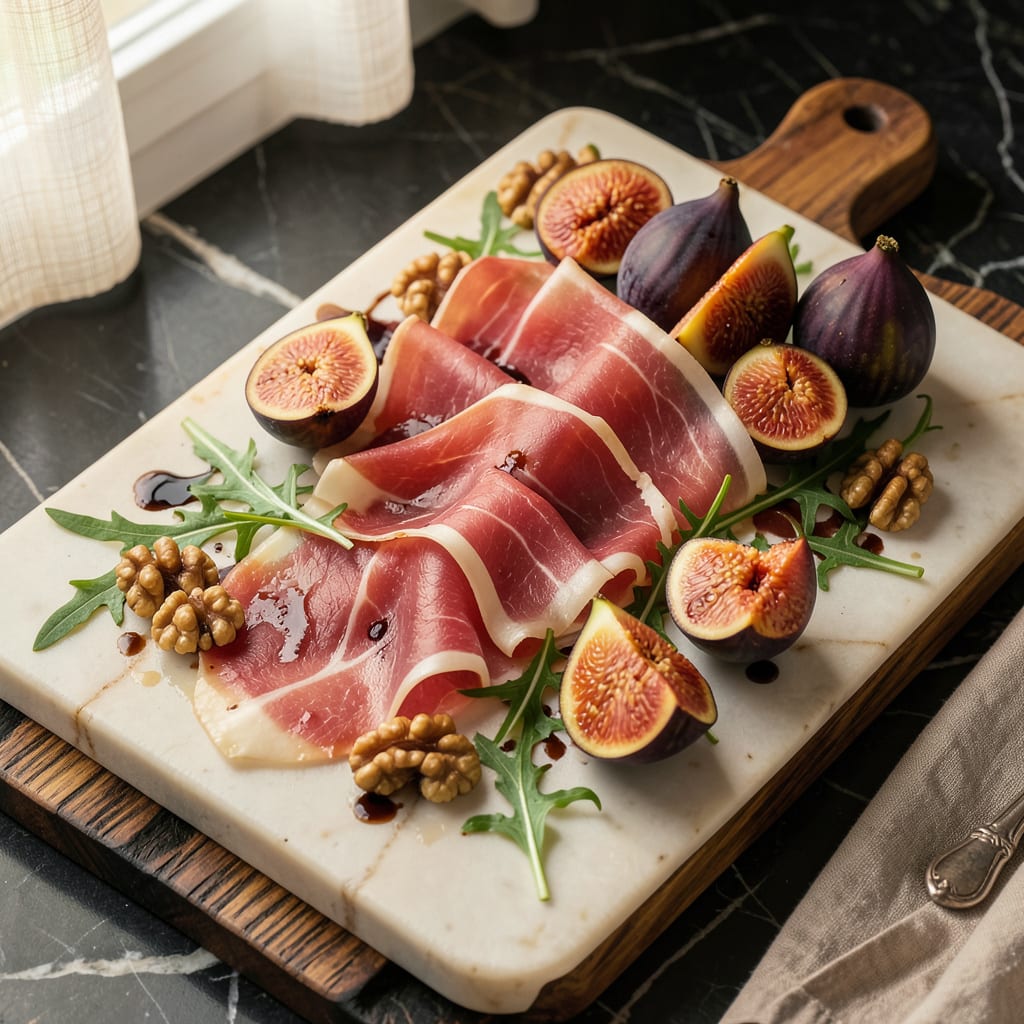
The simplest way to enjoy prosciutto is by serving it thinly sliced at room temperature, paired with fresh melon, figs, or crusty bread. For cooking, wrap it around asparagus, shrimp, or chicken before baking or grilling for added saltiness and crispiness.
This Italian cured ham shines when its delicate, salty-sweet flavor takes center stage. 🔥 I love how its paper-thin slices melt in your mouth when served uncooked, creating an elegant appetizer with minimal effort. The magic happens when you contrast its richness with sweet fruits or pair it with creamy cheeses—this balance makes it a charcuterie board superstar. For cooked applications, the high fat content renders beautifully when wrapped around vegetables or proteins, adding depth without overpowering other ingredients.
What most people don’t realize is that prosciutto’s versatility comes from its 12-36 month aging process, which develops complex umami notes. The key is using it as a finishing touch rather than a main ingredient—just 1-2 slices per serving are enough to transform simple dishes into restaurant-worthy plates. Whether you’re making a 5-minute antipasto or elevating weeknight chicken, it delivers maximum flavor with almost no prep work.
💡 In This Article
- How Traditional Prosciutto Is Cured and Prepared
- Creative Ways to Use Prosciutto in Everyday Recipes
How Traditional Prosciutto Is Cured and Prepared
The authentic prosciutto-making process begins with selecting premium pork legs, typically weighing 30-40 pounds, from specific heritage pig breeds. The first critical step involves dry-salting the meat with pure sea salt for 2-3 weeks, which draws out moisture and creates an environment where beneficial bacteria can thrive.
This isn’t just about preservation—it’s where the flavor foundation develops as enzymes break down proteins into savory amino acids. 🔥
After the initial salting, the legs rest for 60-90 days in temperature-controlled rooms (35-40°F) where they gradually lose about 25% of their original weight. The real magic happens during the aging phase, which lasts 12-36 months depending on the style.
Prosciutto di Parma ages for 14-16 months, while Prosciutto di San Daniele requires 13-18 months—the longer aging creates deeper umami notes and a more delicate texture. ✨
The regional differences come from microclimates and techniques. Parma’s prosciutto develops its signature sweetness from the area’s humid air, while San Daniele’s version gains a nuttier profile from the alpine winds. What’s fascinating is how the fat marbling transforms during aging—it becomes almost buttery, which is why authentic prosciutto never needs cooking.
The curing process essentially “pre-cooks” the meat through enzymatic action and controlled dehydration. 💫
Italian tradition treats prosciutto as a crudo (raw) product because cooking would destroy its carefully developed flavors. When you see it wrapped around melon or served on antipasto platters, it’s showcasing the curing master’s work. The thin slicing—ideally 1/16 inch thick—maximizes surface area, allowing the complex flavors to hit your palate immediately.
This is why you’ll rarely find authentic prosciutto recipes that involve heat in Italian cuisine. ⚡
What most people miss is how the curing environment affects the final product. The best prosciutto comes from regions where the air has just the right humidity—like the Po Valley for Parma or the Tagliamento River valley for San Daniele.
These conditions allow the meat to dry slowly and evenly, preventing the development of a hard outer crust while letting the interior flavors concentrate. 🌟
The salt used in traditional curing isn’t just any salt—it’s specially harvested sea salt with mineral traces that contribute to the final taste profile. Some producers even add a small amount of wine or spices during the initial salting phase, though purists argue this masks the natural pork flavor.
The result is a product where every slice tells the story of its origin, from the pig’s diet to the curing cellar’s microclimate. 💛
Understanding this process explains why prosciutto commands such respect in Italian cuisine. It’s not just cured ham—it’s a 1-3 year labor of love that transforms simple ingredients through time, science, and tradition.
This is why it’s typically served unadulterated, allowing the complex interplay of salt, fat, and aged pork flavors to shine without competition from cooking methods or heavy seasonings. 💫

- BBQ Sausage Recipe Oven: Smoky Depth Without the Grill - September 28, 2026
- BBQ Chicken Bowl Recipe Rice: Smoky Sweetness Over Fluffy Grains - September 28, 2026
- Beef Cutlet Recipe Ideas: Crispy Breaded Patties With Bold Seasonings - September 28, 2026