
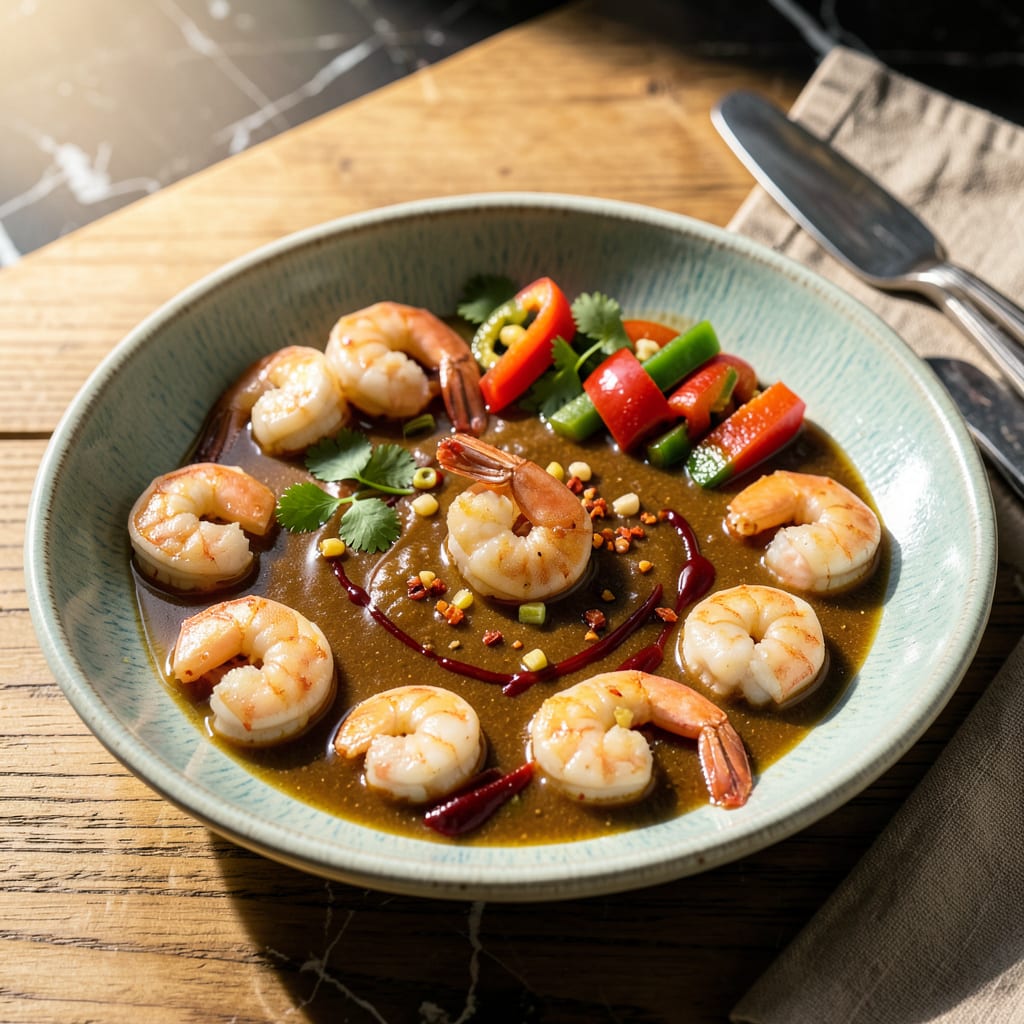
A classic shrimp sauce combines mayonnaise, ketchup, lemon juice, Worcestershire sauce, and hot sauce. Blend ½ cup mayo, 2 tbsp ketchup, 1 tbsp lemon juice, 1 tsp Worcestershire, and ½ tsp hot sauce for a quick, tangy dip.
This simple yet dynamic combination delivers a perfect balance of creamy, sweet, tangy, and spicy notes. 🔥 I love how the Worcestershire sauce adds depth with its fermented umami richness, while the hot sauce brings just enough kick to complement seafood without overpowering it. The lemon juice isn’t just for brightness—it actually helps cut through the richness of fried shrimp, making each bite feel lighter and more refreshing.
What makes this sauce so versatile is its adaptability. You can easily adjust the hot sauce quantity to suit your heat preference or swap in Greek yogurt for a lighter mayo alternative. ✨ I’ve even used it as a zesty spread for sandwiches or a flavorful dip for crispy vegetable tempura—proof that great sauces transcend their original purpose.
💡 In This Article
- Key Ingredients That Define Shrimp Sauce Flavor
- Serving and Pairing Ideas for Homemade Shrimp Sauce
Key Ingredients That Define Shrimp Sauce Flavor
The magic of shrimp sauce lies in its carefully balanced components. Mayonnaise serves as the creamy foundation, providing body and richness while helping emulsify the other ingredients. The fat content in mayo (typically 70-80% in full-fat versions) creates that signature velvety texture that clings perfectly to fried shrimp.
Without this base, the sauce would lack its characteristic smoothness and mouthfeel.
Ketchup contributes more than just sweetness—it brings tomato paste’s natural umami and a subtle tang from vinegar. The sugar content (about 25% in standard ketchup) balances the acidity from lemon juice, creating that addictive sweet-tart contrast. I’ve found that using 2 tablespoons per ½ cup mayo hits the perfect ratio where the tomato flavor supports rather than dominates the sauce.
The lemon juice isn’t just for brightness—it serves a crucial chemical role. Its acidity (pH around 2) helps cut through the richness of fried foods while preventing the mayo from feeling overly heavy. The citric acid also enhances flavor perception by stimulating saliva production, making each bite taste more vibrant.
For best results, use freshly squeezed juice rather than bottled for maximum aromatic impact.
Worcestershire sauce might seem like a small addition at just 1 teaspoon, but it packs a flavor punch. This fermented condiment contains anchovies, tamarind, and molasses, contributing complex umami notes that elevate the entire sauce. The fermentation process creates glutamates that enhance savory perception, similar to how MSG works but with more depth. For vegetarian versions, soy sauce or mushroom-based Worcestershire alternatives work well.
Finally, the hot sauce brings necessary heat and vinegar tang. Traditional Louisiana-style hot sauces (like Tabasco) work best because their vinegar base complements the other acidic components. The capsaicin in hot sauce triggers endorphin release, creating that “just one more bite” effect.
Start with ½ teaspoon and adjust upward—remember that heat intensifies as the sauce sits.
For dietary adaptations, Greek yogurt makes an excellent mayo substitute for lower-fat versions, though you’ll need to add a pinch of salt to compensate. 🌟 Sugar-free ketchup works for keto diets, while coconut aminos can replace Worcestershire for soy-free needs.
The beauty of this sauce is how forgiving the ratios are—small adjustments won’t break the fundamental balance of creamy, sweet, tangy, and spicy elements.

- BBQ Sausage Recipe Oven: Smoky Depth Without the Grill - September 28, 2026
- BBQ Chicken Bowl Recipe Rice: Smoky Sweetness Over Fluffy Grains - September 28, 2026
- Beef Cutlet Recipe Ideas: Crispy Breaded Patties With Bold Seasonings - September 28, 2026