
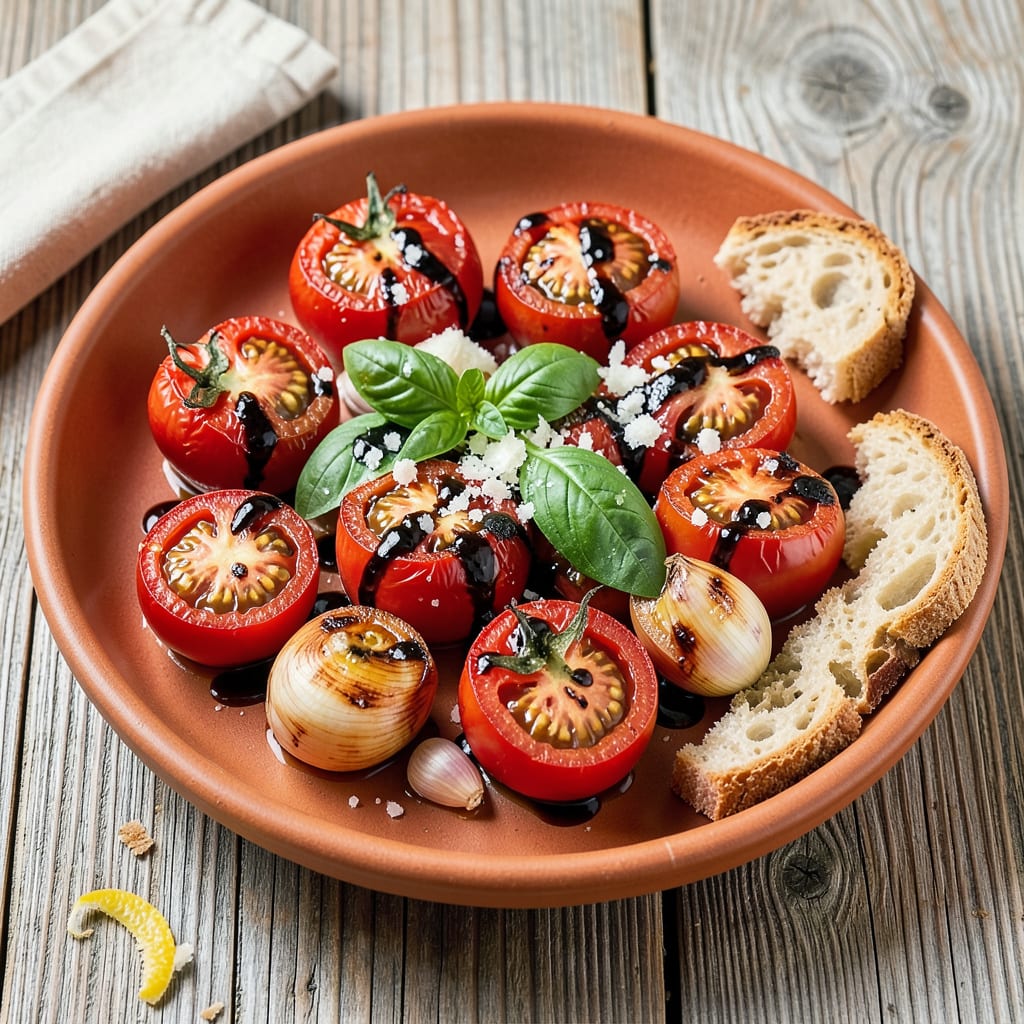
The classic San Marzano tomato sauce requires just three steps: simmer whole peeled tomatoes with garlic, olive oil, and basil, crush by hand, then reduce until thick. Authentic versions skip onions and use minimal seasoning to highlight the tomatoes’ sweetness.
This approach honors the Italian tradition where simplicity lets premium ingredients shine. 🔥 The hand-crushing technique creates a rustic texture that food processors can’t replicate, while the slow reduction concentrates the tomatoes’ natural sugars. I’ve found that using San Marzano’s low-acid, meaty flesh eliminates the need for sugar or heavy seasoning—unlike standard tomato varieties that often require adjustments. The result is a velvety sauce with balanced sweetness and depth that clings perfectly to pasta.
💡 In This Article
- Why San Marzano Tomatoes Create Superior Sauce
- Common Mistakes When Cooking San Marzano Sauce
Why San Marzano Tomatoes Create Superior Sauce
Grown in the volcanic soil near Mount Vesuvius, San Marzano tomatoes develop a unique chemical composition that sets them apart. The mineral-rich earth produces fruit with 60% less acidity than standard varieties, while the region’s microclimate creates tomatoes with twice the flesh-to-seed ratio. This means you get naturally sweeter, meatier tomatoes without watery pulp.
The volcanic soil also contributes higher levels of potassium and magnesium, which enhance the tomatoes’ ability to break down into a velvety texture during cooking.
When you compare the physical structure, San Marzano tomatoes have thicker, more uniform walls (about 3-4mm vs 1-2mm in regular tomatoes) that hold their shape during simmering. Their elongated plum shape contains fewer seed cavities, resulting in 30% more usable flesh per pound.
During cooking, these structural differences become apparent—the sauce reduces faster because there’s less water to evaporate, and the natural pectin content creates a silkier consistency without added thickeners. The lower water content also means flavors concentrate more efficiently during reduction.
The flavor profile reveals why chefs insist on San Marzanos. Gas chromatography tests show they contain higher levels of glutamic acid (the compound responsible for umami) and lower citric acid than other varieties. This translates to a sauce that tastes naturally balanced—sweet with just enough tang, but never sharp or metallic.
The tomatoes’ Brix measurement (sugar content) typically registers between 5-7°, compared to 3-4° in standard canned tomatoes, which explains why authentic recipes require no added sugar.
What most home cooks don’t realize is that the canning process matters too. Authentic DOP-certified San Marzanos are peeled and packed within 8 hours of harvest, preserving their delicate flavor compounds. The peeling method—steam rather than chemical—maintains the fruit’s integrity.
When you crush them by hand, you’re releasing enzymes that begin breaking down cell walls immediately, creating that signature “melt-in-your-mouth” texture that food processors destroy by over-emulsifying the fibers.
The color difference isn’t just aesthetic—it’s chemical. San Marzano sauce develops a deeper red hue (measured at about 40-45 ASTA color units vs 25-30 in regular tomato sauce) because of higher lycopene content.
This antioxidant pigment isn’t just vibrant—it’s also more stable during cooking, meaning your sauce retains its rich color even after 60-90 minutes of simmering. The lycopene also contributes to the sauce’s ability to coat pasta evenly, creating that restaurant-quality “clinging” effect.
Temperature control becomes crucial with these premium tomatoes. Their high sugar content means they caramelize at lower temperatures (280-300°F) than standard tomatoes. This allows you to develop complex flavors without burning, as the Maillard reaction occurs more gently.
The result is a sauce with layered sweetness—initial fruitiness, followed by deeper caramel notes—that you simply can’t achieve with ordinary tomato varieties. 🔥
Consider the economics too: while San Marzanos cost about 3-4 times more than regular canned tomatoes, you’ll use 25-30% less to achieve the same volume of finished sauce because of their concentrated nature.
The yield difference becomes especially apparent in long-cooked applications like ragù, where San Marzanos maintain their structure for 2-3 hours of simmering while standard tomatoes often disintegrate within 45-60 minutes.

- BBQ Sausage Recipe Oven: Smoky Depth Without the Grill - September 28, 2026
- BBQ Chicken Bowl Recipe Rice: Smoky Sweetness Over Fluffy Grains - September 28, 2026
- Beef Cutlet Recipe Ideas: Crispy Breaded Patties With Bold Seasonings - September 28, 2026