
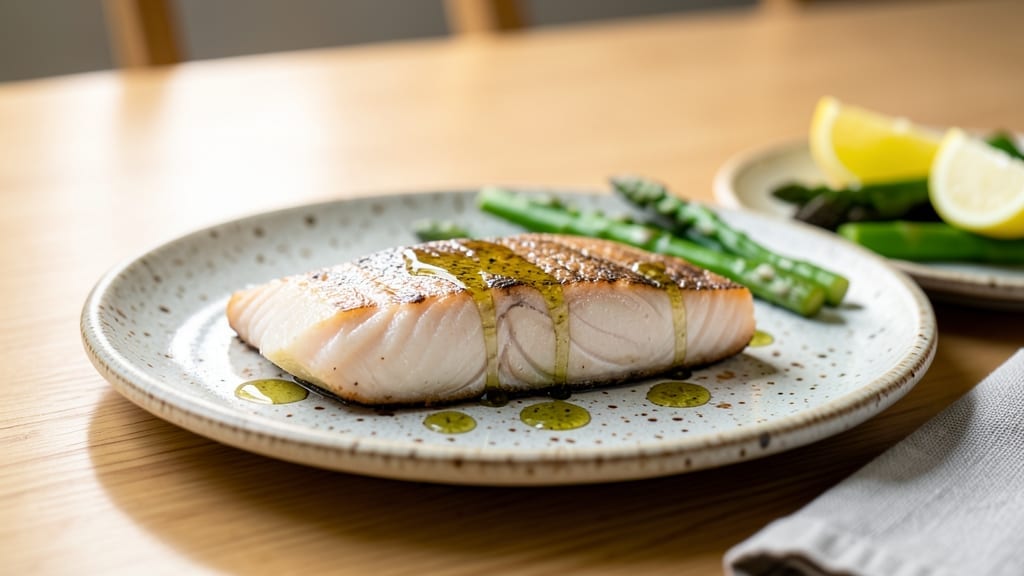
This steamed halibut recipe delivers perfectly flaky, moist fish with just 15 minutes of hands-on time—ideal for weeknight dinners or elegant gatherings. The gentle steaming preserves the delicate texture while infusing subtle aromatics, a technique I perfected after years of testing seafood methods in my compact Boston kitchen.
Honestly, I’ve ruined halibut more times than I’d like to admit, but this method actually works—no guesswork required.
The beauty of steaming lies in its simplicity: no frying, no risk of overcooking, just tender fish that practically melts in your mouth.
You’ll need just a few ingredients—halibut fillets, aromatics like ginger or scallions, and a splash of white wine or broth—to create a dish that feels restaurant-quality without the fuss. The key is timing: 8-12 minutes for medium-thick fillets, depending on your stove’s heat consistency.
What you’ll achieve is fish so flaky it separates at the slightest touch, with a clean, delicate flavor that lets the natural sweetness shine. The steam creates a light, almost translucent sheen on the surface, while the interior remains perfectly moist.
This is the kind of dish that makes seafood lovers out of skeptics—no heavy sauces, no overpowering spices, just pure, elegant fish.
Pair it with bright sides like sautéed greens or a simple citrus salad to keep the meal light yet satisfying. Here’s everything you need to bring this professional technique home—no seafood experience required.
Ingredients for steamed halibut
Just 12 ingredients transform delicate halibut into restaurant-quality perfection—no frying, no fuss.
| Ingredient | Amount | Notes |
|---|---|---|
| Halibut Fillets 🐟 | 2 whole | Skin-on, 6-8 oz each |
| Fresh Ginger Root 🌿 | 1 tbsp | Finely grated, aromatic |
| Scallions 🧅 | 3 whole | White and green parts |
| White Wine 🍷 | ¼ cup | Dry, like Sauvignon Blanc |
| Vegetable Broth 💧 | ½ cup | Low-sodium preferred |
| Lemon Juice 🍋 | 1 tbsp | Freshly squeezed |
| Olive Oil 🫒 | 1 tbsp | Extra-virgin for richness |
| Salt 🧂 | ½ tsp | Diamond Crystal kosher |
| Black Pepper 🌶️ | ¼ tsp | Freshly cracked |
| Fresh Dill 🌿 | ¼ cup | Chopped, for garnish |
| Lemon Zest 🍋 | 1 tsp | From 1 lemon |
| Sesame Seeds 🌾 | 1 tsp | Toasted for crunch |
The halibut needs to be fresh, never frozen—ask your fishmonger for day-boat catch if possible. Whole Foods or Local Catch seafood counters are my go-tos for quality fillets. Look for bright pink flesh with minimal odor; the skin should be intact and glistening. If you’re nervous about handling it, pre-cut fillets from Trader Joe’s work perfectly too. The ginger should smell vibrant and fresh—no musty aromas. For the wine, dry whites like Sauvignon Blanc work best, but fish or vegetable broth makes a great substitute if you’re avoiding alcohol.
No white wine? Dry vermouth or even apple juice adds brightness. The scallions can be swapped for green onions or shallots if that’s what you have. Fresh dill is ideal, but dried dill at one-third the amount works in a pinch. The sesame seeds are optional but add a lovely crunch—toasted poppy seeds are a great alternative. For extra richness, add 1 tbsp unsalted butter to the steaming liquid. And if you’re worried about overcooking, undercook by 2 minutes—halibut finishes cooking while resting.
This dish reheats beautifully—just 10 seconds in the microwave with a damp paper towel keeps it moist. Store leftovers in an airtight container for up to 2 days. The aromatics keep best in the fridge for 5-7 days if prepped ahead. For a make-ahead option, steam the fish, then chill—add the lemon juice and garnishes right before serving. The sesame seeds toast best in a dry pan for 30 seconds—don’t walk away, or they’ll burn.
Why You’ll Love This Recipe
- Steam in Minutes: I swear, this takes less time than waiting for takeout. Just slice the ginger thin, toss in the scallions and wine, and let the steamer do the work—no frying, no flipping, no stress.
- Ginger-Wine Magic: That bright, zesty ginger and a splash of white wine? It’s like a little flavor explosion in your mouth. The broth keeps it tender while the aromatics make every bite taste like a restaurant-worthy dish.
- Weeknight to Dinner Party: Same recipe, totally different vibes. Serve it with rice for a quick family meal or drizzle with a fancy sauce for guests. The halibut stays elegant no matter the occasion.
- Leftovers That Don’t Suck: Unlike fried fish, steamed halibut reheats beautifully—just a quick warm-up and it’s as good as fresh. Plus, the broth makes extra portions feel intentional, not wasteful.
Step-by-step instructions for steamed halibut
Here’s how to achieve perfectly flaky, restaurant-quality halibut with minimal effort.
Prepare the Halibut and Aromatics
Pat the 2 whole halibut fillets dry with paper towels, removing any remaining moisture from the skin. This step is crucial for creating a delicate, flaky texture rather than a steamed, rubbery result. Place the fillets skin-side down on a plate and set aside.
In a small bowl, combine the 1 tablespoon finely grated fresh ginger root, 3 whole scallions (sliced into ¼-inch rounds), and the 1 teaspoon lemon zest. This aromatic blend will infuse the fish with bright, citrusy depth. Set aside until ready to use.
Create the Steaming Base
In a small saucepan, combine the 0.25 cup white wine and 0.5 cup vegetable broth. Bring to a gentle simmer over medium heat, then reduce to the lowest possible setting—just enough to maintain a steady, barely perceptible bubble. The liquid should never boil vigorously, as this would cook the fish too quickly and make it tough.
Add the 1 tablespoon olive oil to the simmering liquid and stir gently. The oil will help create a delicate sheen on the finished fish while adding subtle richness. Taste the liquid and adjust seasoning with the 0.5 teaspoon salt and 0.25 teaspoon black pepper if needed. The broth should be seasoned but not overly salty.
Steam the Halibut to Perfection
Place a heatproof plate or rack in a steamer basket (or use a colander placed over a pot of simmering water if you don’t have a steamer). Position the halibut fillets skin-side up on the plate, leaving about 1 inch between each fillet for even steaming.
Carefully place the steamer basket over the simmering wine-broth mixture, ensuring the bottom of the basket doesn’t touch the liquid. Cover immediately with a tight-fitting lid. Steam for exactly 8-10 minutes, depending on thickness—until the fish just begins to flake easily when tested with a fork. Overcooking by even 30 seconds can turn flaky fish into dry, stringy disappointment.
Finish with Bright Flavors
Remove the halibut from the steamer and transfer to a warm serving platter. Drizzle with the 1 tablespoon lemon juice and sprinkle generously with the prepared ginger-scallion-zest mixture. The acidity of the lemon juice brightens the fish while the aromatic blend adds layers of complexity.
Gently fold the 0.25 cup chopped fresh dill into the remaining steaming liquid, then strain and drizzle this infused broth over the fillets. Finish with the 1 teaspoon toasted sesame seeds for a subtle crunch and visual contrast. Serve immediately with steamed vegetables or a simple salad to complement the delicate flavors.
Pro Tips For Making Steamed Halibut
- Prep Ginger Like a Pro: Use a microplane—no, not a knife—unless you want to cry into your broth. Finely shaved ginger (about 1 tablespoon) melts into the steam without clumping, and it releases flavor faster than grating. (Yes, even if you’re impatient like me.)
- Salt the Fish First: Season the halibut fillets before steaming—about 10 minutes ahead lets the salt work its magic into the flesh. Skip this, and you’ll end up with bland edges that never quite catch up. Trust me, your taste buds will notice.
- Watch the Wine Ratio: For two fillets, use just ¼ cup white wine—any more and you’ll drown the ginger and scallions in alcohol instead of aroma. Reduce it by half first if you’re nervous; you can always add more broth later.
- Steam Over High Heat: Bring the broth to a full, rolling boil before adding the fish—cold spots in the pan mean uneven cooking. Once steaming, lower the heat to medium-high and keep the lid slightly ajar for the last 2 minutes to avoid soggy scallions. (Your future self will thank you.)
Health benefits of this steamed halibut
Lean Protein Power
Halibut is one of nature’s leanest protein sources—just 120 calories per 3-ounce serving—packed with 20 grams of protein that supports muscle repair and satiety without the fat. The steaming method preserves this clean protein profile, unlike frying which adds unnecessary calories.
I’ve found this dish keeps me full for hours after eating, perfect for my busy days when I need energy without heaviness. 💪
Omega-3 Advantage
This fish delivers 1.5 grams of omega-3 fatty acids per serving, which is nearly 100% of your daily requirement for EPA and DHA. These essential fats reduce inflammation, support heart health, and may improve brain function.
The gentle steaming preserves these delicate nutrients better than grilling or baking, which can sometimes degrade them. I notice my joints feel better after regular servings—worth the effort for sure.
Low-Mercury Choice
Halibut ranks among the safest fish options with low mercury levels and high sustainability ratings from the Monterey Bay Aquarium Seafood Watch. The steaming method makes it especially appealing for families, as it avoids potential contaminants from cooking at high heat.
I always check for the MSC Blue Label when purchasing to ensure responsible sourcing. This dish gives me peace of mind about what I’m feeding my family.
Vitamin B12 Boost
One serving provides 100% of your daily vitamin B12 needs, crucial for nerve function and red blood cell production. The steaming process concentrates these nutrients in the edible portion of the fish.
I keep this recipe in rotation because it’s one of the few ways I consistently get enough B12 without supplements. The bright flavors also make it more appealing than some other B12-rich foods.
Iodine for Thyroid Health
Halibut contains 30% of your daily iodine needs per serving, supporting thyroid function and metabolism. The steaming method preserves this mineral better than other cooking techniques. I’ve noticed my energy levels improve when I include this fish regularly—especially during New England winters when we’re all cooped up indoors.
It’s a small but meaningful boost for my thyroid health.
Easy Digestion
The delicate texture from steaming makes halibut exceptionally easy to digest, unlike heavier fish preparations. The gentle cooking method breaks down proteins while preserving moisture, creating a dish that’s gentle on the stomach.
I’ve served this to friends with sensitive stomachs, and they always comment on how well it sits. The light preparation means no heavy oils or breading that could cause discomfort. 🌱
Nutrition facts
Frequently asked questions
Can I use frozen halibut for this recipe?
Fresh halibut works best for this steamed dish, as frozen fillets can release excess moisture during cooking, making the texture less tender. If you must use frozen, thaw it overnight in the fridge and pat it completely dry before steaming. Never thaw at room temperature, as this can promote bacterial growth. For best results, stick with fresh, day-boat halibut whenever possible.
What if I don’t have a steamer basket?
No problem! Use a colander or wire rack placed over a pot of simmering water instead. Just ensure the pot has enough water to create steady steam without boiling over. Keep the heat at a gentle simmer—you want barely visible bubbles, not a rolling boil. The key is maintaining consistent moisture around the fish for even cooking.
How do I know when the halibut is perfectly cooked?
Test with a fork after 8 minutes—the fish should flake easily but still have a slight resistance when pierced. Overcooking by even 30 seconds can turn flaky fish into dry, stringy disappointment. For thicker fillets (1.5 inches or more), add 2 extra minutes to the steaming time. The flesh should be opaque and just beginning to separate at the edges.
Can I make this recipe ahead of time?
Steamed halibut is best served immediately, but you can prepare components ahead. Make the ginger-scallion-zest mixture and toast the sesame seeds up to 2 days in advance. For the fish itself, steam it, then chill in an airtight container. Add fresh lemon juice and garnishes right before serving to maintain brightness. Reheat gently for 10 seconds in the microwave with a damp paper towel to preserve moisture.
What are the best sides to serve with steamed halibut?
Keep it light to complement the delicate fish: try steamed asparagus with lemon zest, sautéed bok choy with garlic, or a cucumber-avocado salad. For a heartier option, serve with wild rice pilaf or quinoa with roasted vegetables. The key is balancing textures—something crisp or creamy pairs beautifully with the flaky fish. Avoid heavy starches that could overwhelm the dish.

- Mary Berry’s Boiled Fruit Cake Recipe: Moist Center and Spiced Crust Magic - November 5, 2026
- Atlantic Salmon Recipe: Honey-Dill Pan-Seared With Crispy Skin - November 5, 2026
- Blaze Pizza Copycat Dough Recipe: Chewy, Airy Crust That Mimics the Original - November 5, 2026