
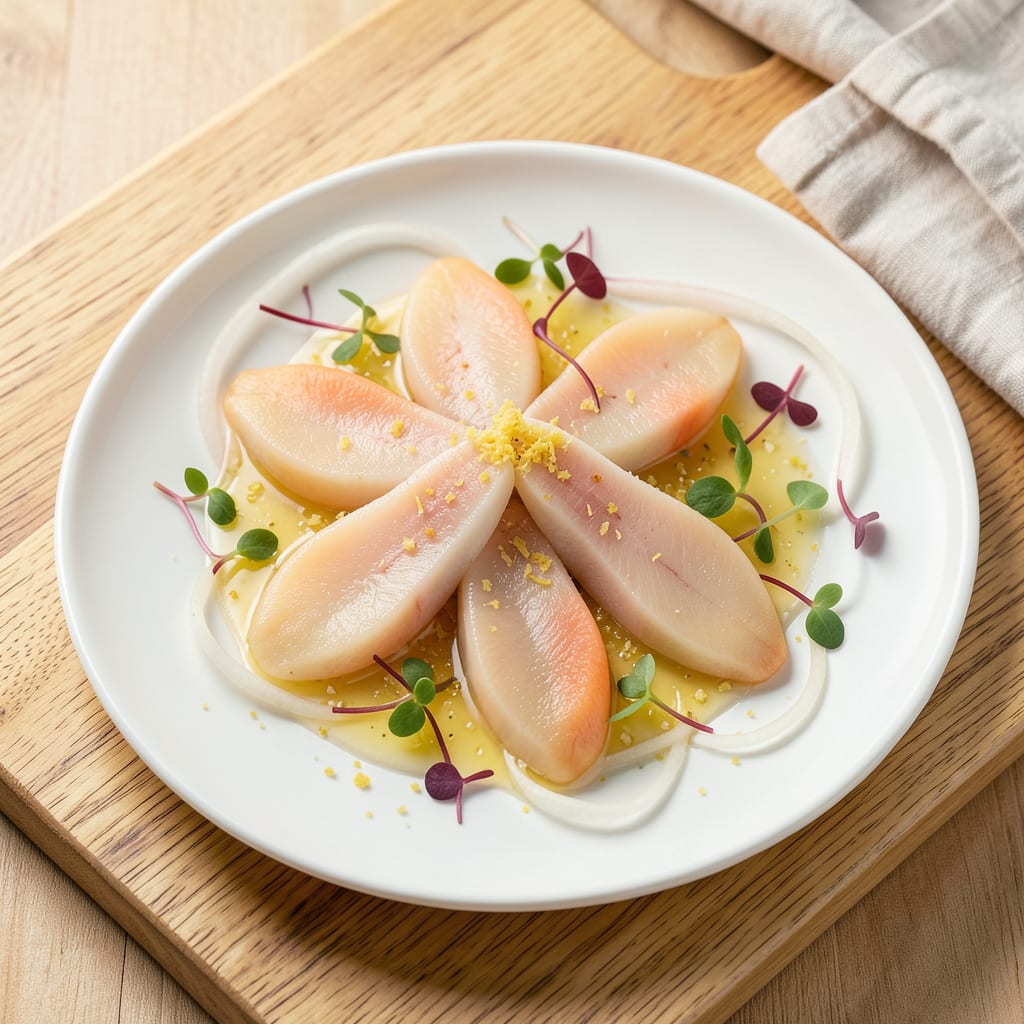
Authentic uni pasta combines fresh sea urchin roe with al dente spaghetti, garlic, butter, and a splash of pasta water. The key is using high-quality uni for its creamy, oceanic sweetness while keeping ingredients minimal to let the flavor shine.
This dish showcases the delicate balance between luxury and simplicity that defines Japanese-Italian fusion cuisine. 🔥 The uni’s custard-like consistency melts into the warm pasta, creating a velvety sauce that clings perfectly to each strand. What makes this recipe special is how it transforms just a handful of ingredients into a dish with complex, layered flavors—no heavy sauces or overpowering seasonings needed. I always recommend using Hokkaido uni when available, as its buttery richness and vibrant orange color elevate the visual and taste experience to restaurant quality.
💡 In This Article
- Why Fresh Uni Elevates Japanese Pasta Dishes
- Step-by-Step Guide to Perfect Uni Pasta at Home
Why Fresh Uni Elevates Japanese Pasta Dishes
Fresh uni brings a complex flavor profile that combines umami richness, natural sweetness, and a velvety texture unlike any other seafood. The roe contains high levels of free amino acids like glutamate, which create that deep umami taste.
When warmed gently, the uni’s natural fats emulsify with butter and pasta water, forming a silky sauce that clings to each strand. This transformation happens because the heat causes the cell membranes in the roe to break down, releasing their creamy contents.
The quality of uni varies dramatically by season and region. Hokkaido uni (harvested June-August) is prized for its vibrant orange color and buttery consistency, while Santa Barbara uni from California offers a brighter, more floral sweetness. Freshness is critical because uni begins losing its delicate flavor within 24-48 hours of harvesting.
The texture changes too—fresh uni should feel firm yet yield easily to pressure, while older uni becomes mushy and loses its oceanic brightness.
When paired with pasta, uni creates a perfect balance of richness and lightness. The starch from al dente spaghetti helps stabilize the emulsion, while the garlic and butter provide aromatic depth without overpowering. I’ve found that 1-2 uni tongues per serving (about 20-30g) gives the ideal intensity.
The pasta acts as a neutral canvas that lets the uni’s flavor shine, similar to how high-quality olive oil transforms simple bread.
Temperature control is everything when working with uni. It should never be cooked above 120°F—just warmed through to preserve its delicate structure. The residual heat from freshly cooked pasta (205-210°F) is usually sufficient. Overheating causes the proteins to coagulate, turning the creamy texture grainy.
This is why professional chefs always add uni off-heat and let the pasta’s warmth gently melt the roe.
Regional Japanese variations highlight different aspects of uni’s versatility. In Hokkaido, they might add a touch of shio kombu (salted kelp) for extra umami, while Kyoto chefs often incorporate a dash of sudachi citrus to brighten the dish. The common thread is restraint—letting the uni’s natural flavor dominate.
This philosophy extends to wine pairings too, where crisp whites like Sancerre or dry sake complement rather than compete with the uni’s sweetness.
What surprises most home cooks is how little uni you actually need for maximum impact. A single 2-ounce portion can transform 4 servings of pasta into a luxurious dish. The secret lies in the uni’s intense flavor concentration—each gram contains more umami compounds than most other seafood.
This efficiency makes it more accessible than you might think for special occasions. 🌟

- BBQ Sausage Recipe Oven: Smoky Depth Without the Grill - September 28, 2026
- BBQ Chicken Bowl Recipe Rice: Smoky Sweetness Over Fluffy Grains - September 28, 2026
- Beef Cutlet Recipe Ideas: Crispy Breaded Patties With Bold Seasonings - September 28, 2026