
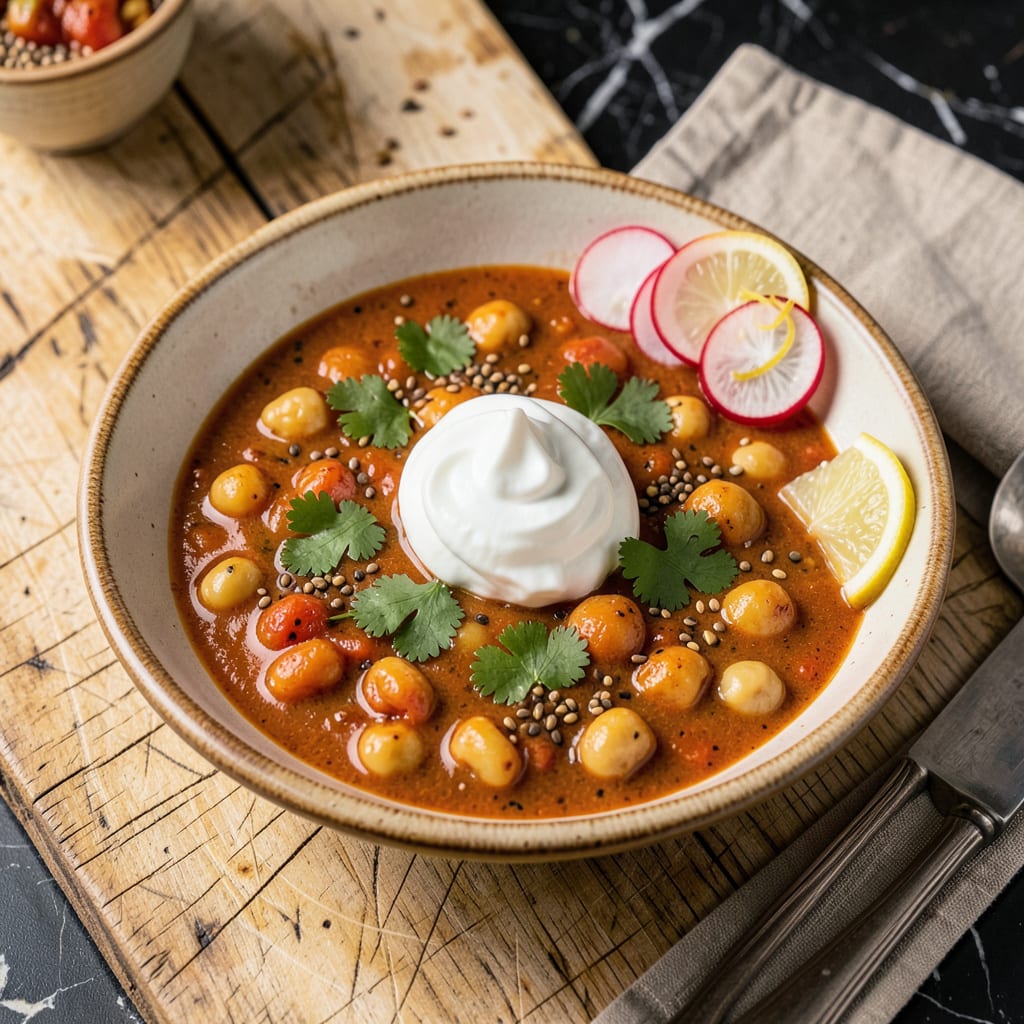
If you’ve overdone cumin, balance it by adding acidity (lemon, vinegar, or yogurt), sweetness (honey or sugar), or bulk (potatoes, coconut milk, or tomatoes). Taste as you adjust to avoid overcorrecting.
Cumin’s earthy intensity comes from its volatile oils, which can dominate a dish when overused. 🔥 What works best is counteracting its warmth with contrasting elements—think of how a squeeze of lime brightens a heavy curry or how a spoonful of yogurt mellows out a spicy chili. The key is gradual adjustment; start with small amounts of your chosen balancer and let the flavors meld before adding more. I’ve found that starchy ingredients like potatoes or coconut milk not only dilute the cumin’s punch but also add a creamy texture that softens its sharpness.
💡 In This Article
- How Cumin Overpowers Flavors and Why It Happens
- Best Ingredients to Neutralize Excess Cumin in Cooking
How Cumin Overpowers Flavors and Why It Happens
Cumin’s intensity comes from its volatile oils, particularly cuminaldehyde and cymene, which give it that warm, earthy punch. These compounds are highly aromatic and become even more potent when heated. Unlike milder spices like paprika that blend into dishes, cumin’s flavor profile is dominant—just 1 teaspoon can transform an entire pot of chili or stew.
The heat from cooking releases these oils, making the spice taste stronger than it does when raw.
What most people don’t realize is that cumin’s flavor compounds are fat-soluble, meaning they bind to oils and fats in your dish. This is why a little goes a long way in rich recipes like curries or meat rubs.
🔥 Compare it to black pepper, which contains piperine—another strong compound—but cumin’s earthiness lingers longer on the palate. The spice’s warmth can also amplify when combined with other strong flavors like garlic or chili powder, creating a compounded effect.
The texture of ground cumin matters too. Freshly ground seeds release more oils than pre-ground powder, which is why recipes often call for toasting whole seeds first. When you add too much, those oils coat your taste buds, making the flavor seem even more overwhelming.
In liquid-based dishes like soups, the oils disperse throughout the broth, while in dry rubs or spice blends, they concentrate on the surface of the food.
Temperature plays a role in how aggressive cumin tastes. At higher heats (350°F+), its compounds break down differently than at lower temperatures, sometimes developing bitter notes. This is why a dish that tasted balanced during cooking might suddenly seem over-spiced after simmering for 30+ minutes.
The longer cumin cooks, the more its flavors deepen and spread through the entire dish.
Even the type of cumin matters—black cumin seeds have a smokier, more intense profile than the standard brown variety. If you’ve accidentally used the wrong type or doubled the amount, the flavor imbalance becomes even more pronounced.
✨ The good news is that these same properties that make cumin powerful also give you specific ways to counterbalance it, which we’ll explore in the next section.

- BBQ Bison Recipe Steaks: Smoky Grill Mastery with Bold Flavor - September 28, 2026
- Chicken Breast Recipe Tender: Brine-Soaked Juiciness Without Overcooking - September 28, 2026
- Baked Chicken Recipe for Acid Reflux: Gentle Flavors for Sensitive Stomachs - September 28, 2026