
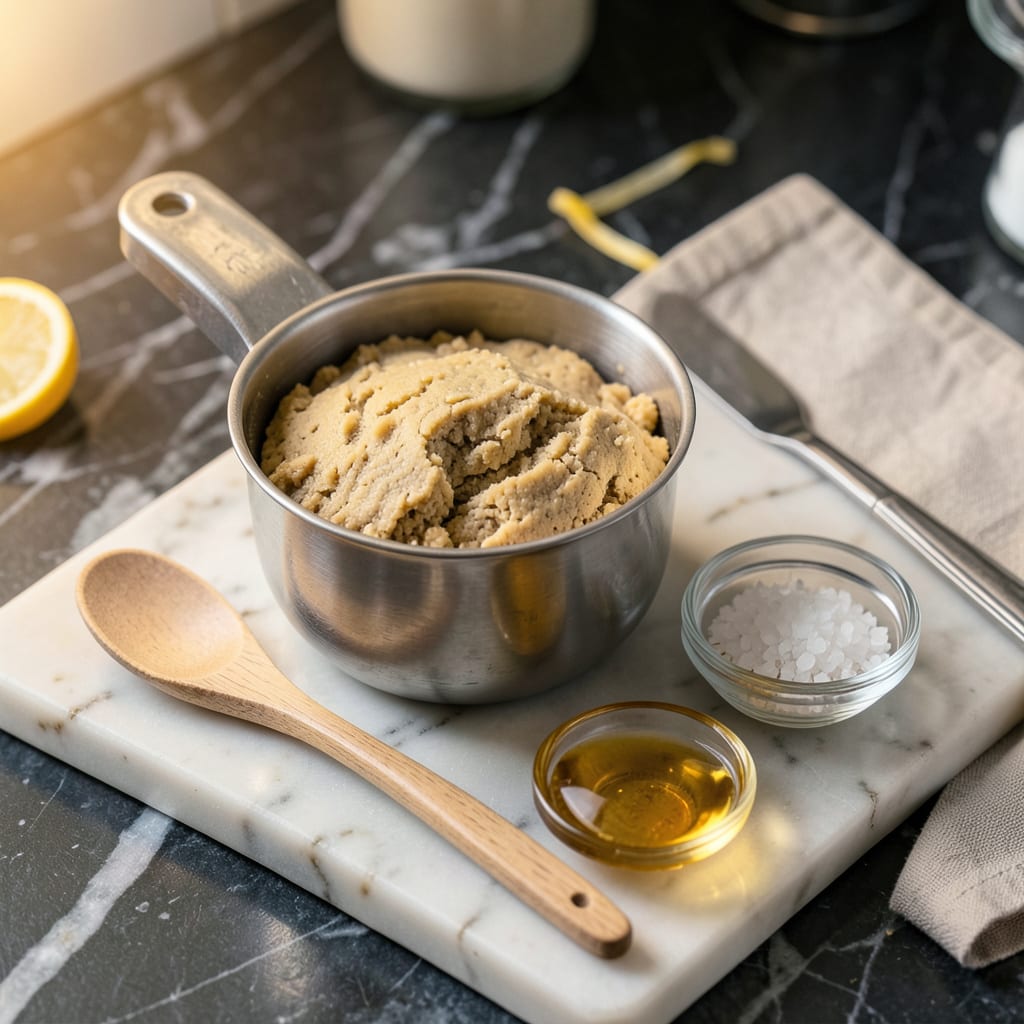
“Scant” in a recipe means slightly less than the stated measurement—just under the full amount. For example, a “scant cup” means about 3/4 to 7/8 cup, ensuring precision without overflow or excess.
This subtle adjustment plays a crucial role in baking and cooking, where even small variations can dramatically impact results. 🔥 I’ve found that using a scant measurement often prevents issues like overly dense cakes or sticky doughs by maintaining the perfect balance of dry-to-wet ingredients. Professional chefs rely on this technique when working with delicate recipes where exact measurements might push the mixture over its ideal consistency threshold.
The term comes from traditional culinary practices where precise scales weren’t always available. 💫 What’s fascinating is how this old-school approach still solves modern kitchen problems—like when you need to account for ingredient settling or humidity effects without complex calculations.
💡 In This Article
- Why Recipes Use “Scant” Instead of Exact Measurements
- How to Measure “Scant” Ingredients Accurately
Why Recipes Use “Scant” Instead of Exact Measurements
The magic of “scant” measurements lies in their ability to fine-tune chemical reactions in baking. When a recipe calls for a scant teaspoon of baking soda, it’s accounting for the fact that too much can create excessive carbon dioxide, leading to bitter flavors and collapsed structures.
This slight reduction (about 1/8 teaspoon less) maintains the perfect pH balance for tender crumbs without overpowering alkalinity. 🔥
In moisture-sensitive recipes like pie dough or cookie batter, a scant cup of flour (typically 1-2 tablespoons less) prevents the dreaded “dry and crumbly” texture. The science here involves gluten development—too much flour creates excess gluten strands that make baked goods tough.
Professional bakers use this technique when humidity levels exceed 60%, as flour absorbs more atmospheric moisture in damp conditions.
Historically, “scant” originated in 19th-century American cookbooks when home cooks lacked precision scales. The term persists because it solves real problems: accounting for ingredient settling (flour compacts over time), measuring sticky substances (honey clings to spoons), and preventing overflow in rising batters.
Modern food scientists confirm that a 5-10% reduction in leavening agents or liquids often yields superior texture compared to exact measurements.
Consider these common applications where “scant” makes all the difference:
- Yeast breads: Scant tablespoon of yeast prevents overproofing in warm kitchens
- Custards: Scant 1/4 cup sugar avoids graininess from undissolved crystals
- Meringues: Scant 1/8 teaspoon cream of tartar stabilizes without sourness
The visual test works remarkably well: for dry ingredients, fill the measure completely then remove one level teaspoon; for liquids, stop pouring when the meniscus reaches 1/8 inch below the rim. This method gives you the precision of a scale without the equipment. ✨
What most home cooks don’t realize is that “scant” measurements often compensate for ingredient variations. A scant cup of brown sugar, for example, accounts for its higher moisture content compared to white sugar—preventing that gummy texture in cookies.
The technique becomes especially valuable when working with heirloom recipes designed for different flour protein contents than modern varieties.

- BBQ Sausage Recipe Oven: Smoky Depth Without the Grill - September 28, 2026
- BBQ Chicken Bowl Recipe Rice: Smoky Sweetness Over Fluffy Grains - September 28, 2026
- Beef Cutlet Recipe Ideas: Crispy Breaded Patties With Bold Seasonings - September 28, 2026