
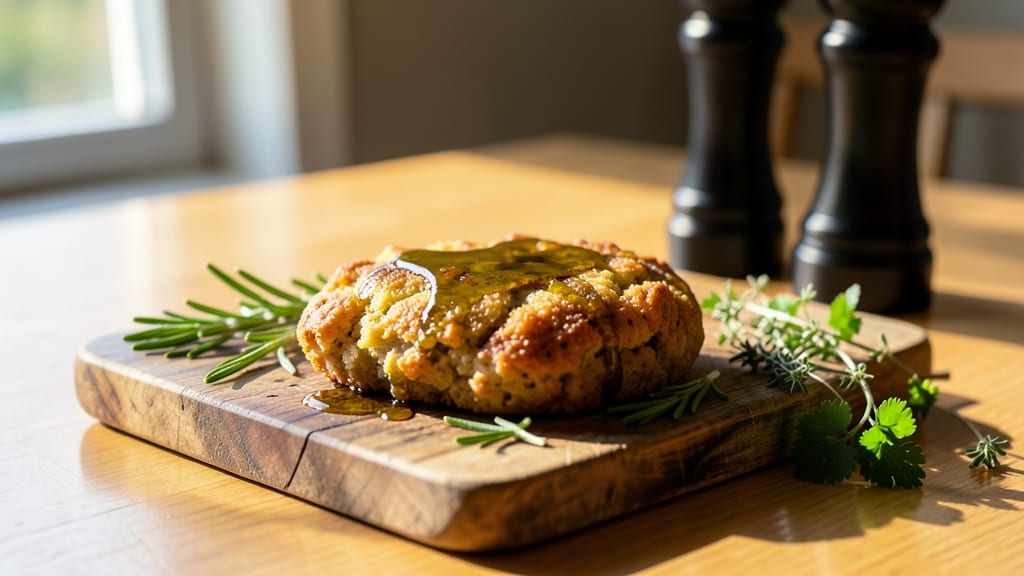
This Amish fritter bread recipe delivers the heartwarming comfort of a traditional skillet breakfast with a crispy, golden crust and tender interior—just like Grandma used to make. The secret lies in the dough’s simple yet balanced ingredients and the celery topping that creates that signature crunch.
I first tried this recipe during a weekend brunch when I wanted to recreate the warmth of Amish country cooking, and it became an instant family favorite. The combination of buttery dough and crispy celery topping transforms a simple skillet into a centerpiece dish.
The beauty of this recipe is its simplicity—just a few pantry staples come together to create a dish that feels both nostalgic and satisfying. The dough requires just flour, eggs, milk, yeast, and a touch of sugar, while the celery topping adds that signature texture without complicating the process.
What makes this recipe truly special is how it balances tradition with modern convenience; you can prepare it in one skillet, making it perfect for weekdays or special occasions alike.
By the time you pull this fritter bread from the skillet, you’ll have a dish that’s crispy on top, tender underneath, and golden brown all around.
The aroma alone will fill your kitchen with warmth, while the first bite delivers that perfect contrast of textures—crunchy celery topping and soft, buttery dough. This is the kind of breakfast that feels like a hug, and it’s easier to make than you might think.
Serve it warm with a drizzle of honey, a dusting of powdered sugar, or even a pat of butter for the full Amish experience. The versatility of this recipe means it works just as well for a quiet Sunday morning as it does for a festive gathering.
Let’s get started on creating this comforting classic in your own kitchen.
Ingredients for amish fritter bread
Fourteen simple ingredients transform into golden, crispy fritter bread with tender dough and crunchy celery topping.
| Ingredient | Amount | Notes |
|---|---|---|
| All-Purpose Flour 🌾 | 2 cups | Sifted for light dough |
| Granulated Sugar 🍚 | ¼ cup | White or light brown |
| Active Dry Yeast 🍞 | ¼ tsp | Single-use packet preferred |
| Warm Whole Milk 🥛 | 1 cup | 110°F for yeast activation |
| Large Eggs 🥚 | 1 whole | Room temperature for mixing |
| Unsalted Butter 🧈 | ½ cup | Melted, full-fat preferred |
| Salt 🧂 | ½ tsp | Kosher or sea salt |
| Celery Stalks 🥬 | 2 whole | Fresh, thinly sliced |
| Freshly Grated Parmesan Cheese 🧀 | ¼ cup | From block, not pre-shredded |
| Extra-Virgin Olive Oil 🫒 | 1 tbsp | For greasing skillet |
| Powdered Sugar 🍚 | ¼ cup | For dusting, optional |
| Honey 🍯 | ¼ cup | For drizzling, optional |
The flour is the foundation—King Arthur or Gold Medal brands work best for that tender crumb. I always grab the organic whole milk at Whole Foods for the yeast activation, but regular milk works fine. The yeast? Single-use packets are foolproof—no measuring, no mess. For the butter, Land O’Lakes or Plugrá give that rich flavor. Skip the salted butter here unless you want extra sodium. Celery should be crisp—dark green stalks with no browning. The Parmesan? Grate it yourself from a wedge for that perfect texture. Pre-shredded gets clumpy and melts differently.
No powdered sugar? Granulated sugar works in a pinch, though it won’t dust as nicely. Short on celery? Thinly sliced green onions add a similar crunch. Want extra richness? Add 1 tbsp melted butter to the celery topping. The dough can be made ahead—just let it rise overnight in the fridge. For a quicker version, use instant yeast at double the amount. The honey? Local raw honey adds depth, but any kind works. If you’re feeling fancy, swap the Parmesan for pecorino romano—it’s got a sharper bite that pairs beautifully with the buttery dough.
This dough keeps for 2 days in the fridge, covered. The celery topping should be made fresh—it loses crunch fast. Once baked, the fritter bread reheats beautifully in a 350°F oven for 10 minutes. Store leftovers wrapped in foil to keep it crispy. Freezes for 3 months if you want to make a big batch. I always double the recipe—it disappears fast at brunch. Serve warm with extra honey or a sprinkle of powdered sugar for that classic Amish touch.
Why You’ll Love This Recipe
- No Yeast Fuss: I swear by this recipe because it actually works the first time—no overproofing, no waiting around. The yeast just blooms in warm milk while I mix the dough, and boom: ready to fry in under an hour. Honestly, my first batch turned out golden and tender without a single failed rise.
- Sweet Crispy Magic: That sugar in the dough? It caramelizes just right when fried, giving you a crispy shell with a pillowy center—like a cross between a cinnamon roll and a beignet. The eggs and milk add richness, so you’re not just eating bread; you’re eating comfort.
- Breakfast or Dessert: Serve these warm with jam for breakfast, dust them with powdered sugar for a sweet treat, or even pack a few in lunchboxes—they’re sturdy enough to handle travel. I’ve had them cold the next day with peanut butter, and my kids still begged for more.
- Pantry Staple Power: You’re using flour, sugar, and milk—ingredients you already own. No specialty items, no last-minute grocery runs. And since they freeze beautifully, I make a double batch and keep extras on hand for lazy mornings or when company drops by unexpectedly. Budget-friendly? Absolutely.
Step-by-step instructions for Amish fritter bread
Here’s how to create that perfect golden crust and tender interior everyone loves.
Prepare the Dough for Maximum Fluffiness
In a large mixing bowl, combine the 2 cups all-purpose flour, 0.25 cup granulated sugar, 0.5 tsp salt, and 0.25 tsp active dry yeast. Mix these dry ingredients together until evenly distributed—this prevents lumps in your final dough. Here’s the thing—sift the flour first if you have time, but if not, just whisk it vigorously in the bowl to break up any clumps.
Create a well in the center and pour in the 1 cup warm whole milk (it should feel warm to your wrist, around 110°F) and the 1 whole large egg. Let the liquid soak into the flour for about 2 minutes before gradually incorporating the edges with a wooden spoon. The mixture will look shaggy at first—that’s normal. Once combined, add the 0.5 cup melted unsalted butter and mix until just incorporated.
Turn the dough onto a lightly floured surface and knead gently for about 5 minutes until smooth and elastic. You’re not making bread here, so don’t overwork it—just enough to develop the gluten slightly. The dough should be soft but not sticky. If it sticks to your hands, add just a touch more flour, but don’t go overboard or your fritters will be dry.
Create the Celery Topping for That Signature Crunch
While the dough rests, prepare your topping by thinly slicing the 2 whole celery stalks into paper-thin rounds. I use a sharp chef’s knife and cut them as uniformly as possible—this ensures even cooking and that perfect crispy texture on top. Place the sliced celery on a paper towel and sprinkle lightly with 0.25 cup freshly grated parmesan cheese. This combination gives you that classic Amish fritter flavor profile.
Here’s where it gets fun—toss the celery and parmesan together gently with a fork. You want the cheese to coat the celery evenly without making it soggy. Let this mixture sit while you prepare your skillet. The celery will draw out some moisture, so don’t worry if it looks a bit damp—this actually helps create that crispy crust when cooked.
Cook the Fritters to Golden Perfection
Heat a large skillet over medium heat and add the 1 tablespoon extra-virgin olive oil. Let it warm for about 2 minutes until the oil shimmers but doesn’t smoke. This is crucial—the right oil temperature ensures even cooking and that beautiful golden crust. While the oil heats, divide your dough into 4 equal portions (about 4 ounces each) and roll each into a ball.
Flatten each dough ball into a ¼-inch thick circle and place it in the skillet. Cook for 2-3 minutes per side until golden brown spots appear. Here’s the moment that matters: when the bottom is nicely browned, flip carefully and immediately top with ¼ of your celery-parmesan mixture, pressing down gently. The heat will crisp the celery beautifully while keeping the dough tender underneath.
Finish with Sweet and Savory Touches
Continue cooking for another 1-2 minutes until the celery is crisp and the cheese begins to melt slightly. You’ll know it’s ready when the edges are golden brown and the celery has that satisfying crunch. Transfer the fritters to a paper towel-lined plate to drain any excess oil. This step prevents them from becoming greasy while keeping them warm.
For that final touch of comfort, dust each fritter lightly with 0.25 cup powdered sugar and drizzle with 0.25 cup honey. The powdered sugar adds a delicate sweetness that balances the savory celery and parmesan, while the honey gives that classic Amish fritter shine. Serve immediately while still warm—this is when they’re at their best, with that perfect contrast of crispy top and tender interior.
Pro Tips For Making Amish Fritter Bread
- Test Yeast First: Skip the guesswork—mix 1 packet yeast with ¼ cup warm milk and 1 tsp sugar, then wait 5-10 minutes. If it doesn’t bubble, your yeast is dead, and the whole batch will flop. I learned this the hard way after baking a sad, flat loaf.
- Whisk Eggs Like Mad: Beat those eggs until they’re thick and pale yellow—no streaks, no lumps. The sugar in this recipe needs to dissolve fully, and a quick whisk with a fork (or even a fork in a bowl) gets it done faster than a mixer. Lazy whisking = gummy fritters.
- Fry in Batches: Crowd the pan, and you’ll steam the fritters instead of crisp them. Use 2-3 inches of oil and fry 2-3 at a time—no more, no less. A thermometer helps: aim for 350°F, and keep the oil hot between batches. I used to rush this and ended up with soggy dough balls.
- Sugar the Oil: Toss 2-3 tablespoons of sugar into the hot oil before frying. It caramelizes instantly, giving the fritters that classic golden crust without extra effort. Sounds weird, but it works—and it’s the difference between “good” and “oh wow.”
Essential equipment for this dish
Skillet Essentials
Your 10-inch cast iron skillet is the star of this recipe—it retains heat beautifully and creates that signature crispy crust. I swear by my Lodge Pre-Seasoned Cast Iron Skillet because it’s pre-seasoned and ready to go.
If you don’t have cast iron, a non-stick stainless steel skillet works too, though you’ll need to monitor the heat more closely to avoid sticking. The key is medium heat—too hot, and the dough burns before cooking through; too low, and you’ll end up with soggy fritters. 🔥
Dough Tools
For the dough, grab a wooden spoon for mixing and a lightly floured surface to knead. I use a rolling pin to flatten the dough circles to ¼-inch thickness, but you can also use a glass bottle or even your hands for a rustic touch.
A dough scraper helps when dividing the dough into portions—it keeps things clean and precise. If you’re feeling fancy, a bench scraper works great for this job.
Celery Prep Gear
Thinly slicing celery requires a sharp chef’s knife—I recommend a 8-inch Wüsthof or Victorinox Fibrox for clean cuts. A mandoline speeds up the process if you’re making a big batch, but be careful with those thin slices.
I also keep a paper towel nearby to drain excess moisture from the celery before mixing with parmesan. This step is crucial for that perfect crispy texture—wet celery steams instead of crisps.
Measuring & Mixing
Precision matters here, so invest in a digital kitchen scale for accurate measurements, especially with the flour and butter. A measuring cup set with leveling tools ensures consistency. For the yeast, I always use single-use packets—they’re foolproof and eliminate the guesswork of measuring.
A hand mixer or stand mixer with dough hook can handle the initial mixing, but I prefer mixing by hand for better control over the dough’s texture.
Finishing Touches
For the final presentation, keep powdered sugar and honey on hand—these elevate the dish instantly. I use a fine-mesh sieve to dust the powdered sugar evenly, and a small squeeze bottle for the honey drizzle.
A tongs helps transfer the fritters to a plate without tearing the crispy celery topping. Pro tip: Keep a thermometer nearby to check the skillet’s temperature—it should be around 350°F for even cooking. 🌡️
Nutrition facts
Frequently asked questions
Why does Amish fritter bread need celery on top?
The celery topping creates that signature crispy texture while adding a subtle freshness that balances the buttery dough. Traditional Amish recipes often use celery for its mild flavor and ability to crisp beautifully when cooked—it’s a key element that sets this dish apart from regular fritters. The combination of celery and Parmesan also gives it that classic savory-sweet profile.
Can I make this recipe without yeast?
Yes, but the texture will be different. Use 1 tsp baking powder instead of yeast for a quick version that rises immediately. The dough will be lighter but won’t have the same tender, airy quality. For best results, stick with yeast for that traditional Amish fritter texture—it’s worth the 10-minute wait for the rise!
How do I fix dough that’s too sticky?
If your dough feels too sticky, gradually add 1 tablespoon flour at a time while kneading until it reaches a soft but manageable consistency. Overworking it can make it tough, so work quickly. For extra insurance, chill the dough for 15 minutes in the fridge before rolling—this helps firm it up without adding flour.
What’s the best way to reheat leftovers?
Reheat in a 350°F oven for 8-10 minutes wrapped in foil to maintain crispiness. For a quick fix, use the skillet over medium heat for 2 minutes per side—just add a touch of butter to restore that golden crust. Avoid microwaving, as it makes the celery topping soggy.
Can I substitute the celery topping?
Try thinly sliced green onions or crushed potato chips for a crunchy alternative. For a sweet variation, use cinnamon-sugar instead. The key is maintaining that crispy texture contrast—just ensure your substitute can handle the heat without burning.

- Minced Meat Spaghetti Recipe: One-Pan Italian Comfort with Rich Ragù - November 29, 2026
- Aki’s Guava Chiffon Cake Recipe: Light, Airy Layers with Tropical Flavor Burst - November 29, 2026
- Chicken Pelau Recipe: Caribbean-Style Rice with Tender Chicken and Pigeon Peas - November 29, 2026