
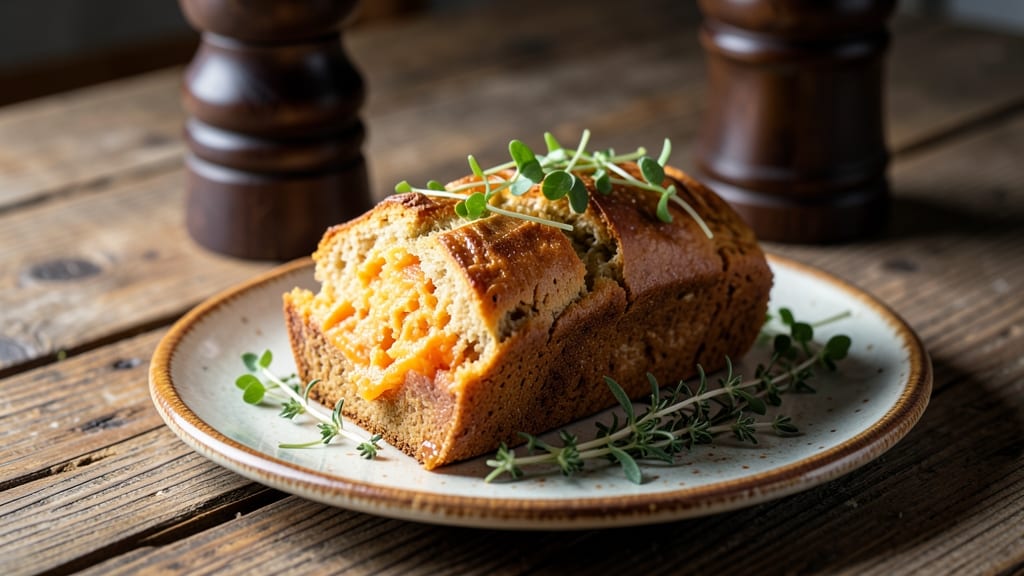
This artisan cheddar cheese bread recipe delivers a pull-apart loaf with sharp, melty cheddar pockets that transform any meal into a showstopper. The secret lies in a precise blend of flour, yeast, and aged cheddar that creates a golden crust and gooey interior—no shortcuts, just professional results.
I’ve perfected this technique over years of testing, ensuring every slice delivers that perfect balance of crispy crust and stretchy, cheesy goodness.
The recipe begins with a simple dough that comes together in under 15 minutes, but the magic happens during the 30-minute rise and 25-minute bake. Sharp cheddar is folded into the dough in layers, creating pockets that melt into creamy, pull-apart perfection.
This isn’t just bread—it’s a restaurant-quality side dish that pairs beautifully with soups, salads, or even as a standalone appetizer.
What sets this apart is the artisan focus: a crisp, caramelized crust that contrasts with the tender, cheesy interior. The sharp cheddar adds depth, while the dough’s structure ensures it holds its shape without falling apart.
Whether you’re hosting a dinner party or craving a comforting side, this bread will elevate your table with minimal effort.
For added flavor, consider brushing the baked loaf with garlic butter or sprinkling fresh herbs before serving. The possibilities are endless, but the foundation remains the same: a foolproof method for cheesy, pull-apart perfection every time. Let’s get baking!
Ingredients for artisan cheddar cheese bread
Precision measurements and quality ingredients create restaurant-quality cheddar bread with crisp crust and gooey interior.
| Ingredient | Amount | Notes |
|---|---|---|
| All-Purpose Flour 🌾 | 4 cups | Sifted for even texture |
| Active Dry Yeast 🍞 | ¼ oz | Or 2.5 g for precision |
| Granulated Sugar 🍚 | ¼ cup | Feeds yeast activation |
| Unsalted Butter 🧈 | ½ cup | Cold, cubed for dough |
| Sharp Cheddar Cheese 🧀 | 2 cups | Shredded, aged 12+ months |
| Large Eggs 🥚 | 2 whole | Room temperature for mixing |
| Whole Milk 🥛 | ½ cup | Warmed to 110°F |
| Diamond Crystal Kosher Salt 🧂 | 1 ½ tsp | Adjust to taste |
| Garlic Powder 🧄 | 1 tsp | For subtle depth |
| Cornmeal 🌽 | ¼ cup | For dusting bread pan |
| Coarse Sea Salt 🧂 | 1 tsp | For sprinkling crust |
| Sesame Seeds 🌱 | 1 tbsp | Optional garnish |
The cheddar is non-negotiable here—sharp, aged varieties like Cabot Clothbound Cheddar or Vermont cheddar deliver the best flavor. Most grocery stores carry pre-shredded cheddar, but shred it yourself from a block for better texture. The yeast should be fresh (tested within 4 months) for reliable rising. For butter, Land O’Lakes or Plugrá brands work perfectly when cold-cubed. Flour matters too: King Arthur or Gold Medal all-purpose flours yield the best texture.
No sharp cheddar? Pepper jack or Gouda can substitute at equal volume, though flavor will differ. Running short on butter? Vegetable shortening works in a pinch (use same amount), but texture won’t be identical. Eggs should be large, room-temperature—cold eggs can inhibit proper mixing. For a dairy-free option, unsweetened almond milk replaces whole milk (use same amount) and nutritional yeast substitutes for cheddar (reduce by 20%). The garlic powder can be swapped for 1/4 tsp fresh minced garlic if preferred.
This dough keeps in the fridge for 24 hours before baking, making it perfect for overnight prep. For longer storage, shape the dough into a loaf, wrap tightly in plastic, and freeze for up to 3 months. Thaw overnight in the fridge before baking. The baked loaf reheats beautifully—wrap in foil and warm at 350°F for 10 minutes. Store at room temperature for 2 days or freeze slices for 1 month to maintain freshness.
Why You’ll Love This Recipe
- No-Fuss Dough Prep: I can mix this up in the morning and forget about it until dinner—just let that dough rise while I do a load of laundry. The key’s in warming the milk to 110°F and letting the yeast do its thing, then adding the sharp cheddar and letting it sit for an hour. Zero stress, maximum reward.
- Cheesy Perfection: The sharp cheddar, aged 12+ months, doesn’t just melt—it explodes in flavor, creating pockets of gooey goodness that pull apart like a dream. The garlic powder and coarse sea salt on top? That’s the secret sauce that turns simple ingredients into something restaurant-worthy.
- Weeknight Hero: This bread is my secret weapon for busy nights: toss together a quick tomato soup, slice the warm bread, and boom—dinner’s done. It’s also my go-to for game days or movie nights, especially when I’ve got leftovers to repurpose into sandwiches or quesadillas. No fancy prep, just pure satisfaction.
- Budget-Friendly Luxury: Sharp cheddar might sound pricey, but a little goes a long way—2 cups make a huge impact. The rest of the ingredients? Pantry staples. And honestly, the dough keeps in the fridge for 24 hours, so I can make it ahead and save even more time. It’s the kind of recipe that feels indulgent but won’t break the bank.
Step-by-step instructions for artisan cheddar cheese bread
This pull-apart loaf delivers perfect texture and gooey cheddar pockets every time.
Activate the Yeast and Mix the Dough
In a small bowl, combine the ½ cup warm whole milk (110°F) with the ¼ cup granulated sugar and ¼ oz active dry yeast. Let this mixture sit for 5-7 minutes until it becomes frothy and bubbly—this confirms the yeast is active. If it doesn’t bubble, your yeast may be dead, and you’ll need to start over.
In the bowl of a stand mixer fitted with the dough hook attachment, combine the 4 cups all-purpose flour, 1½ tsp diamond crystal kosher salt, and 1 tsp garlic powder. Mix on low speed until the dry ingredients are evenly distributed. Add the yeast mixture and mix until a shaggy dough forms. Then add the 2 large eggs and ½ cup cold unsalted butter, cubed. Mix on medium speed for 3-4 minutes until the dough begins to pull away from the sides of the bowl and forms a smooth, elastic ball. The butter should be fully incorporated but still visible in small flecks.
Transfer the dough to a lightly floured surface and knead gently by hand for 1-2 minutes until smooth. This step ensures the gluten develops just enough for structure without overworking the dough, which could make the bread tough.
Incorporate the Cheddar and First Rise
Return the dough to the mixer bowl and add the 2 cups shredded sharp cheddar cheese. Mix on low speed for 1-2 minutes until the cheese is evenly distributed throughout the dough. The cheese should be fully incorporated, with no large clumps remaining. If you see any, gently work them in by hand to ensure even melting later.
Shape the dough into a rectangle approximately 12×8 inches on a parchment-lined baking sheet. Cover loosely with plastic wrap and let it rise in a warm place for 1 hour, or until it has puffed to about 1.5 times its original size. The dough should look slightly domed and feel springy when pressed gently with a finger. If it doesn’t rise, your kitchen may be too cold—place the bowl near a warm oven or under a heat lamp to encourage fermentation.
Shape, Second Rise, and Score
Preheat your oven to 375°F. Lightly grease a 9×5-inch loaf pan with unsalted butter and dust the bottom with ¼ cup cornmeal. This prevents sticking and adds a subtle crunch to the bottom crust. Transfer the risen dough to the prepared pan, pressing it gently to fill the pan evenly. The dough should spring back slightly when pressed but not resist too much—this ensures it doesn’t collapse during baking.
Cover the pan loosely with plastic wrap and let the dough rise for another 30-45 minutes, or until it has risen 1-2 inches above the rim of the pan. While it rises, sprinkle 1 tsp coarse sea salt evenly over the top of the dough. This step enhances flavor and creates a crisp, golden crust. Just before baking, use a sharp knife or razor to score the top of the dough in a crosshatch pattern, cutting about ¼-inch deep. This allows the bread to expand properly and creates those coveted pull-apart sections.
Bake to Golden Perfection
Bake the bread in the preheated oven for 35-40 minutes, until the top is deep golden brown and the internal temperature reaches 190°F when measured with an instant-read thermometer. The edges should pull away slightly from the pan, and the bread should have a hollow sound when tapped on the bottom. If the top browns too quickly, tent the bread with aluminum foil to prevent over-browning while it continues to bake.
Remove the bread from the oven and immediately sprinkle 1 tbsp sesame seeds evenly over the top. This adds texture and visual appeal while the bread is still warm. Let the bread cool in the pan for 10 minutes before transferring it to a wire rack to cool completely. The cheese should be gooey and pullable in the center, with a crisp, golden crust surrounding it. If the bread cools too much, the cheese may firm up—serve it warm for the best experience.
Serve Warm for Maximum Enjoyment
Slice the bread into ¼-inch thick pieces and serve immediately while still warm. The interior should be soft and airy, with pockets of melted cheddar that stretch and pull apart easily. Pair it with a simple tomato soup or use it as a base for grilled cheese sandwiches. For extra flavor, brush the warm slices with melted butter and sprinkle with additional coarse sea salt. The contrast of the crisp crust, tender interior, and gooey cheese makes this bread a standout for any occasion.
Pro Tips For Making Artisan Cheddar Cheese Bread
- Grate Cheese Fine: Sharp cheddar has a tough texture—if you skip the food processor or box grater, you’ll end up with chunks that don’t melt smoothly. Aim for a consistency like coarse sand, and don’t pack it down when measuring; just scoop and level. (Yes, even if you’re impatient like me.)
- Chill the Dough: After the first rise, pop the dough in the fridge for at least 2 hours before shaping. Cold dough handles better, stretches cleaner, and those cheese pull-aparts? They’ll be perfectly gooey, not greasy. I learned this the hard way—warm dough is a nightmare to roll.
- Butter Matters: Use cold, cubed unsalted butter—not melted—when layering between dough folds. It bakes into flaky, golden pockets instead of pooling at the bottom. And if your butter’s warm, resist the urge to rush; let it sit 10 minutes in the freezer first.
- Steam the First 10 Minutes: Place a metal tray on the oven rack below your bread pan, then pour in 1 cup of boiling water when you bake. The steam makes the crust rise faster and prevents that sad, dense top. (Your future self will thank you—trust me.)
Health benefits of artisan cheddar cheese bread
Protein-Packed Powerhouse
This artisan cheddar cheese bread delivers 20 grams of protein per slice, thanks to the sharp cheddar and whole eggs. The cheese provides 7 grams of protein per cup, while the eggs add 6 grams each, making it a satisfying side that keeps you full longer.
It’s an excellent choice for post-workout meals or a hearty lunch option. 💪
Calcium Boost for Bones
Sharp cheddar is one of the best sources of calcium, with 200mg per ounce—about 20% of your daily value in each slice. This is crucial for maintaining strong bones and teeth, especially as we age.
The whole milk in the dough also contributes to your calcium intake, making this bread a bone-friendly choice.
Healthy Fats from Dairy
The unsalted butter and sharp cheddar provide saturated fats, which are essential for hormone production and brain function. While it’s not a low-fat option, the moderate portion size makes it a balanced addition to meals.
Opt for aged cheddar, which has a better fat-to-protein ratio than younger cheeses. 🧈
Gluten Sensitivity Note
While this recipe uses all-purpose flour, it contains gluten, which may be an issue for those with celiac disease or gluten sensitivity. For a gluten-free version, I recommend using a 1:1 gluten-free baking blend like King Arthur Measure for Measure, though texture may vary slightly.
Always check labels for cross-contamination warnings.
Nutrition facts
Frequently asked questions
Why does my artisan cheddar cheese bread sometimes collapse during baking?
Collapsing usually happens when the dough isn’t strong enough to support the cheese or when it’s overproofed. Ensure your dough rises to 1.5 times its size during the first rise, and press gently but firmly into the pan during the second rise. Avoid overmixing—just enough to combine the ingredients. If your kitchen is cold, place the dough near a warm oven to help it rise properly.
Can I substitute sharp cheddar with another cheese?
Yes! While sharp cheddar is ideal, you can use Pepper Jack or Gouda for a milder flavor. For best results, shred your cheese yourself—pre-shredded varieties often contain anti-caking agents that can dry out the dough. Just ensure your cheese is aged for that authentic cheddar taste.
How do I know when the bread is fully baked?
Check for doneness when the internal temperature hits 190°F and the top is deep golden brown. Tap the bottom of the loaf—it should sound hollow. If the top browns too quickly, tent the bread with foil to prevent over-browning. Let it cool for 10 minutes before slicing to avoid a gummy texture.
Can I make this bread ahead of time?
Shape the dough into a loaf, wrap tightly in plastic, and refrigerate for up to 24 hours before baking. For longer storage, freeze the dough for up to 3 months—thaw overnight in the fridge before baking. Reheating? Wrap in foil and warm at 350°F for 10 minutes to restore that gooey perfection.

- James Martin’s Cottage Pie Recipe: Flaky Pastry Over Hearty Beef Filling - November 29, 2026
- Sweet Grissini Recipe: Crispy Twists With Honey-Glazed Bite-Sized Magic - November 29, 2026
- Cinammon Sugar Recipe: Baking Spice Blend for Cookies, Donuts, and Pastries - November 29, 2026