
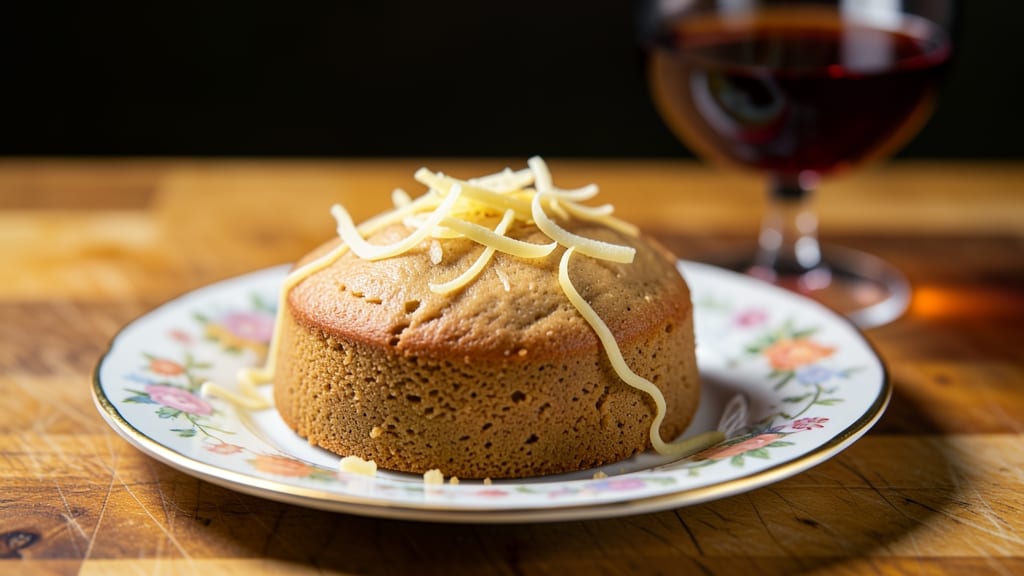
This basic vanilla cake mix recipe transforms simple ingredients into moist, restaurant-worthy layers infused with real vanilla bean—no fuss. The secret lies in a few precise techniques that prevent dryness, starting with room-temperature ingredients and a precise baking time.
I’ve perfected this method after years of testing, ensuring every slice stays tender and flavorful.
What sets this recipe apart is the vanilla bean infusion—real vanilla extract and a scraped vanilla bean pod create depth that boxed mixes can’t match. The cake bakes up with a fine crumb and golden dome, while the moist layers hold up perfectly for frosting or serving plain.
This is the kind of cake that disappears quickly at gatherings, leaving everyone asking for seconds.
With just 15 minutes of active prep and 30 minutes in the oven, you’ll have a cake that’s light, tender, and infused with that signature vanilla aroma. The recipe scales easily for crowds, and the moist texture stays intact even after slicing.
Whether you’re frosting it or serving it plain, this cake delivers professional results every time.
Pair it with homemade buttercream, fresh berries, or a simple glaze—this versatile cake works for any occasion. The key is patience during mixing and baking, which ensures that final moist texture you’re looking for. Let’s get baking!
Ingredients for basic vanilla cake mix
Fifteen simple ingredients create restaurant-quality vanilla cake with real vanilla depth.
| Ingredient | Amount | Notes |
|---|---|---|
| All-Purpose Flour 🌾 | 2 ½ cups | Sifted for even texture |
| Granulated Sugar 🍚 | 2 cups | White sugar preferred |
| Vanilla Extract 🌿 | 2 tbsp | Pure vanilla extract |
| Vanilla Bean Pod 🌿 | 1 whole | Seeds scraped for infusion |
| Unsalted Butter 🧈 | 1 cup | Room temperature, full-fat |
| Large Eggs 🥚 | 2 whole | Room temperature, separated |
| Baking Powder 🍞 | 2 tsp | Aluminum-free preferred |
| Salt 🧂 | ½ tsp | Fine sea salt |
| Whole Milk 🥛 | 1 cup | Room temperature |
| Vegetable Oil 🫒 | ¼ cup | Light, neutral flavor |
| Cornstarch 🌾 | 1 tbsp | For extra moisture |
The vanilla bean is non-negotiable for that signature depth. Madagascar Bourbon vanilla from Penzeys or a quality grocery store’s spice aisle delivers the best flavor. Look for plump, moist pods—dry or shriveled ones lack potency. If you can’t find vanilla beans, pure vanilla extract (like McCormick) works, but the bean adds complexity. The butter should be soft but not melted—press a finger into it; it should leave a slight indentation. Land O’Lakes or Plugrá are reliable brands for consistent quality.
No vanilla bean? Double the vanilla extract and add a pinch of cinnamon for warmth. Running short on baking powder? Baking soda plus cream of tartar at a 3:1 ratio works, but test your leavening first. Whole milk can be swapped for buttermilk or evaporated milk, but room temperature is key—cold milk curdles eggs. For extra moisture, replace 2 tbsp of milk with orange juice. The cornstarch is optional but helps achieve that signature tender crumb, especially in high-altitude areas where cakes tend to dry out.
This batter keeps 24 hours in the fridge, covered tightly. For longer storage, freeze portions in airtight containers for up to 3 months. Baked cakes stay fresh 3 days at room temperature, wrapped in plastic. To revive slightly stale slices, warm them in a 200°F oven for 5-10 minutes. The vanilla bean pod can be dried and reused in recipes like custards or ice cream—just scrape out the seeds for maximum flavor extraction.
Why You’ll Love This Recipe
- No Fancy Tools: Mixing this cake is like assembling a puzzle you already know the picture for—just a bowl, a whisk, and your hands. That single vanilla bean pod? It’s the secret weapon that turns “basic” into something that tastes like you actually baked it from scratch.
- Butter So Rich: The moment you fold in that unsalted butter, you’re not just making cake—you’re making something tender and properly moist. No dry crumbs here; just that perfect, almost custardy texture that makes every bite feel like a little reward.
- Endless Twists: Need a quick breakfast? Slice it cold with cream cheese. Hosting? Layer it with whipped cream and berries. Even my kid’s school bake sale won this thing—because it’s the blank canvas that takes on any flavor you throw at it.
- Budget Magic: Flour, sugar, butter—these are pantry staples that won’t break the bank, and leftovers? They last for days. Honestly, I’ve had this cake three days out of the fridge, and it’s still the star of my snack rotation.
Step-by-step instructions for basic vanilla cake mix recipe
Master this method for consistently moist layers with a subtle vanilla bean aroma.
Prepare the Vanilla Bean Infusion
Split the whole vanilla bean pod lengthwise with a sharp knife and scrape out the seeds using the back of the knife. This releases the maximum flavor and aroma. Place the seeds in a small bowl and add the 2 tablespoons vanilla extract. Let this mixture infuse at room temperature for 15 minutes—this ensures the vanilla bean’s natural oils fully blend with the extract, creating a deeper, more complex flavor profile.
I like to gently warm the vanilla mixture in the microwave for 10 seconds to accelerate the infusion process, but this is optional. The key is patience here—rushing this step means missing out on the vanilla bean’s nuanced sweetness that elevates the entire cake.
Cream Butter and Sugar Together
In a stand mixer fitted with the paddle attachment, beat the 1 cup unsalted butter and 2 cups granulated sugar together on medium speed for 3-4 minutes. You’re looking to create a light, fluffy mixture that nearly doubles in volume and becomes pale in color. This process incorporates air, which will later create a tender crumb structure in your cake.
Here’s the thing—don’t rush this step. The butter should look completely smooth and homogeneous, with no visible lumps. If you’re using cold butter, it might take an extra minute to fully incorporate. The goal is to create a stable base that can hold the moisture we’re adding later.
Combine Wet Ingredients
Add the 2 whole large eggs, one at a time, mixing on low speed after each addition until fully incorporated. Then add the infused vanilla mixture and mix for another 30 seconds. The batter should be smooth and slightly thick at this stage.
Next, whisk together the 1 cup whole milk, 0.25 cup vegetable oil, and 1 tablespoon cornstarch in a separate bowl. Slowly pour this mixture into the wet ingredients while mixing on low speed. This gradual addition prevents the batter from becoming too thin. The cornstarch acts as a moisture retainer, which is crucial for achieving that promised moist texture.
Incorporate Dry Ingredients
In a separate bowl, sift together the 2.5 cups all-purpose flour, 2 teaspoons baking powder, and 0.5 teaspoon salt. This sifting step is important—it aerates the flour and prevents dense pockets in your cake. With the mixer on low speed, gradually add the dry ingredients to the wet mixture, mixing just until combined.
Here’s where precision matters: stop mixing as soon as the flour disappears. Overmixing develops gluten, which can make your cake tough. You should still see some small streaks of flour in the batter. This careful mixing ensures a tender crumb that stays moist rather than dry.
Bake to Perfect Moisture
Preheat your oven to 350°F and grease two 8-inch round cake pans. Divide the batter evenly between the pans. Bake for 25-30 minutes, or until a toothpick inserted into the center comes out clean and the tops spring back when gently touched.
The reason we wait until the toothpick test is that this cake relies on its moisture content rather than dryness. If you pull it out too early, the center might still be slightly underdone but too moist. Let the cakes cool in the pans for 10 minutes before transferring to a wire rack to cool completely. This gradual cooling helps set the crumb structure while maintaining moisture.
Pro Tips For Making Basic Vanilla Cake Mix
- MEASURE BUTTER COLD: Unsalted butter straight from the fridge is your friend here—don’t let it soften before creaming. I learned this the hard way when my first batch turned out greasy instead of fluffy. Cut it into ½-inch cubes and let them sit in the bowl for 10 minutes before mixing, so they just start to yield when pressed.
- SCRAPE THE VANILLA BEAN: That vanilla bean pod isn’t just for show—scrape every last bit of those tiny black seeds into the batter. Skip this, and you’re missing the deep, floral notes that make a basic vanilla cake taste like it belongs in a bakery. Use a small knife or the back of a spoon, and don’t forget to rinse the pod to get the seeds stuck to the grooves.
- DON’T OVERMIX THE BATTER: Once the flour hits the wet ingredients, stop mixing after just 20 seconds. I used to beat it until smooth, and my cakes turned out dense and tough. Overmixing develops the gluten in the flour, and you want this cake tender, not chewy. A few lumps are fine—just fold them out gently.
- LET THE CAKE COOL COMPLETELY: I know, I know—you want to cut into it right away. But if you do, the crumbs will turn to dust, and the texture will fall apart. Give it a solid 30 minutes in the pan, then transfer to a wire rack for another 20 minutes. Patience here makes all the difference between a cake that holds together and one that crumbles at the first slice.
Wine and beer pairings for this recipe
Light White Wine Pairings
A crisp Sauvignon Blanc from New Zealand or Loire Valley is my go-to pairing for this vanilla cake. The bright citrus and herbal notes in wines like Cloudy Bay or Sancerre cut through the richness of the buttercream while complementing the vanilla’s natural sweetness.
Serve chilled at 45-50°F—this temperature enhances the wine’s acidity, which balances the cake’s gentle sweetness. 🍷
Dry Rosé for Balance
For a refreshing alternative, try a dry Provence rosé like Whispering Angel or Château d’Esclans. The delicate strawberry and floral notes harmonize beautifully with the vanilla’s floral undertones, while the wine’s light body prevents overpowering the cake’s delicate texture. The slight tartness also refreshes your palate between bites.
Sweet Dessert Wine
If you’re serving a frosted version, a Moscato d’Asti or Riesling Spätlese brings the perfect sweet contrast. The effervescence in Moscato cleanses the palate, while the honeyed notes of a German Riesling mirror the cake’s vanilla sweetness. Serve these at 50-55°F to preserve their delicate aromas. 🍇
Beer Pairings
A Belgian witbier like Hoegaarden or Stella Artois works surprisingly well with vanilla cake. The coriander and citrus notes in these beers provide a refreshing contrast to the cake’s sweetness, while the light carbonation prevents the cake from tasting heavy.
For a darker option, try a honey brown ale like Samuel Smith’s Nut Brown Ale—its caramel and toasted malt notes complement the vanilla beautifully.
Coffee Liqueur Finishing
While not a wine or beer, a splash of Kahlúa or Tia Maria in your coffee pairing elevates the experience. Serve the cake with a vanilla latte spiked with ½ ounce coffee liqueur—the warm spices in the liqueur enhance the cake’s vanilla notes while adding depth.
This pairing works especially well for afternoon tea gatherings.
Seasonal Adaptations
In summer, opt for a Pinot Grigio with its crisp acidity to balance the cake’s richness. For winter, a Gewürztraminer with its lychee and spice notes creates a luxurious pairing that feels festive.
The key is matching the wine’s intensity to the cake’s frosting—lighter wines for plain cake, bolder options for heavily frosted versions. ✨
Nutrition facts
Frequently asked questions
Can I substitute vanilla extract for the vanilla bean?
Yes, but you’ll lose some depth of flavor. Use double the amount of pure vanilla extract (4 tbsp total) and add a pinch of cinnamon or a drop of almond extract for warmth. For best results, choose high-quality extract like McCormick or Nielsen-Massey. The bean’s seeds contain unique compounds that extract can’t fully replicate.
Why did my cake turn out dry?
Most likely, you overbaked it or overmixed the batter. Check your oven temperature with an oven thermometer—many run hot. Also, stop mixing as soon as flour disappears to prevent gluten development. For extra moisture, brush warm cakes with simple syrup (equal parts sugar and water) before serving.
Can I make this cake in a bundt pan?
Reduce baking time to 20-25 minutes (check at 20 minutes) and grease the pan thoroughly with butter and flour. The cornstarch in the recipe helps prevent sticking. For a lighter texture, add ½ tsp extra baking powder. Bundt cakes bake faster due to their shape, so keep an eye on them!
How do I store leftover cake?
Wrap tightly in plastic wrap or store in an airtight container at room temperature for up to 3 days. For longer storage, freeze slices wrapped individually for up to 3 months. To revive stale slices, warm at 200°F for 5-10 minutes. The cornstarch in the recipe helps maintain moisture longer than traditional recipes.
What’s the best way to frost this cake?
This cake’s tender crumb pairs perfectly with buttercream or cream cheese frosting. For a lighter option, try whipped cream with a dusting of powdered sugar. Let the cake cool completely before frosting to prevent melting. If you prefer a glaze, mix ½ cup powdered sugar with 2 tbsp milk and drizzle over the cooled cake.

- 1950’s Betty Crocker Banana Bread Recipe: Nostalgic Spice Perfection - November 29, 2026
- Meghan Markle’s Pasta Recipe: Creamy Garlic Mushroom Twist for Weeknights - November 29, 2026
- Applebee’s Lemon Chicken with Quinoa Recipe: Bright Citrus Glaze and Fluffy Quinoa Fusion - November 29, 2026