
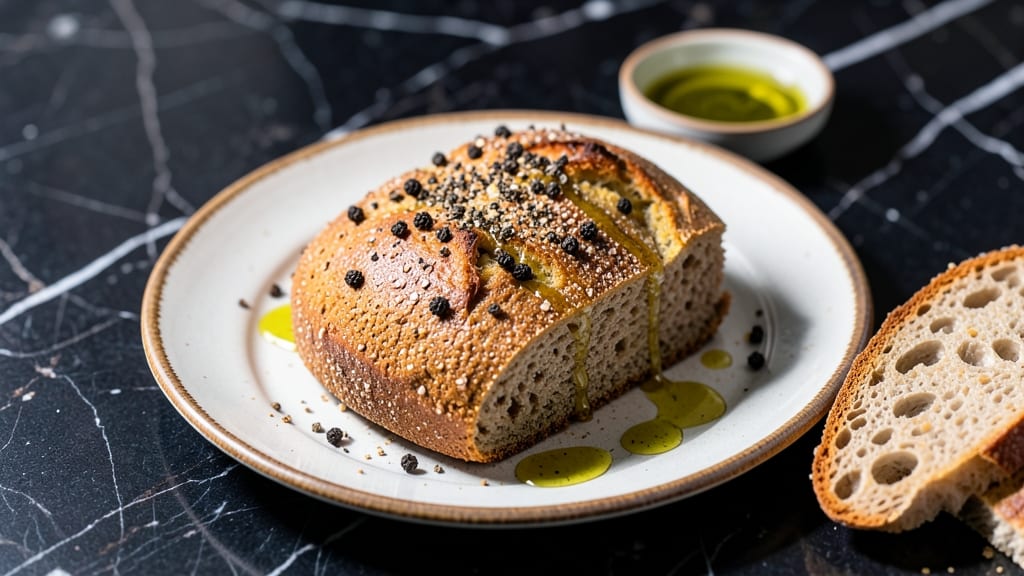
This semolina flour bread recipe delivers the perfect balance of crispy crust and airy interior that makes every slice irresistible. The secret lies in semolina’s unique texture, which creates that signature crunch while maintaining a tender crumb—something store-bought loaves simply can’t match.
I’ve perfected this technique over years of baking, and it’s become my go-to for everything from sandwiches to dipping in olive oil.
The process begins with a precise dough formulation where semolina’s high protein content develops gluten without overworking the dough. We’ll use a foolproof method with just five ingredients: high-protein flour blend, semolina, yeast, salt, and water.
The key steps—proper kneading, controlled proofing, and steam during baking—ensure that signature crusty exterior and soft interior every time.
What you’ll end up with is a golden-brown loaf with a shatteringly crisp crust that gives way to an airy, open crumb structure. The aroma alone will fill your kitchen with warmth, while the texture delivers that satisfying contrast with each bite.
This bread pairs beautifully with soups, cheeses, or simply slathered with garlic butter and olive oil.
Whether you’re a home baker looking to elevate your skills or someone who simply wants restaurant-quality bread at home, this recipe delivers professional results with minimal effort. Let’s get started on creating your perfect loaf—one that will have everyone asking for seconds.
Ingredients for bread with semolina flour
Five simple ingredients transform into a golden loaf with restaurant-quality crunch and airy crumb.
| Ingredient | Amount | Notes |
|---|---|---|
| High-Protein Bread Flour 🌾 | 3 ½ cups | King Arthur or similar preferred |
| Semolina Flour 🌾 | ½ cup | Fine-ground for even texture |
| Active Dry Yeast 🍞 | ¼ oz | 1 packet (2.25 tsp) |
| Granulated Sugar 🍚 | ½ tsp | Enhances yeast activation |
| Diamond Crystal Kosher Salt 🧂 | 1 ½ tsp | Fine grain preferred |
| Warm Water 💧 | 1 ¼ cups | 105-110°F for ideal yeast activity |
| Extra-Virgin Olive Oil 🫒 | ¼ cup | For dough elasticity |
| Cornmeal 🌽 | ¼ cup | For dusting baking sheet |
| Ice Water ❄️ | ¼ cup | For final dough adjustment |
The flour blend is where the magic happens—King Arthur high-protein flour develops that perfect gluten structure, while the semolina adds the signature crunch. Bob’s Red Mill carries excellent semolina if your local store doesn’t stock it. Look for fine-ground semolina (not coarse) for that perfect texture. The yeast? Always check the expiration date—fresh is critical here. I keep mine in the fridge and let it come to room temp before using. Active dry yeast works best when it’s fresh, so if you’ve had that packet sitting out for weeks, it’s time for a new one.
No high-protein flour? Bread flour works in a pinch, but you might need to add an extra tablespoon of vital wheat gluten for that professional texture. Short on semolina? Substitute fine cornmeal at half the amount—it won’t be identical, but it’ll get you close. The olive oil can be swapped for melted butter if you prefer, though it’ll add richness. For the water, filtered is best—tap water with strong chlorine can inhibit yeast activity. If your dough feels too sticky after kneading, add ice water 1 tablespoon at a time until it comes together nicely.
This dough needs 12-18 hours of cold proofing for maximum flavor—don’t rush it. Shape the loaf, cover tightly with plastic wrap, and refrigerate. The next day, let it sit at room temp for 1-2 hours before baking. Baked loaves keep well wrapped at room temp for 3 days, or freeze for up to 3 months. For reheating, wrap slices in foil and warm in a 350°F oven for 5-7 minutes—nothing beats that fresh-from-the-oven crunch.
Why You’ll Love This Recipe
- No-Knead Magic: I swear by this—just mix, rest, and bake. The high-protein flour does all the heavy lifting while I sip coffee, and the semolina adds that irresistible crunch without extra effort. Honestly, my dough’s never looked prettier, but the taste? That’s the real win.
- Toast Crunch Heaven: That semolina crust? Chef’s kiss. It’s got this nutty, almost toasty bite that disappears the second you spread butter or jam on it—like a warm hug for your taste buds. Between us, I’ve burned toast before, but this bread makes me forget all about it.
- Meal Prep MVP: Slice it fresh, toast it later. This bread keeps for days in the fridge (or freezer, no judgment) and turns into perfect croutons, garlic bread, or even French toast. I’ll be real: my lunchbox has never been this happy.
- Budget-Friendly Powerhouse: Semolina and bread flour stretch my grocery dollars, and a single batch feeds my family for days. Plus, that yeast? A tiny packet goes a long way. It’s the kind of recipe that makes me feel like I’m feeding a crowd without breaking the bank. (Yes, even on a Tuesday night.)
Step-by-step instructions for bread with semolina flour
Here’s how to craft bread with that signature crispy crust and tender interior.
Activate the Yeast and Mix the Dough
In a large mixing bowl, combine the 1.25 cups warm water, 0.25 oz active dry yeast, and 0.5 tsp granulated sugar. Let it sit for 5-10 minutes until the mixture becomes frothy—this confirms your yeast is active. If it doesn’t bubble, your yeast may be dead, and you’ll need to start over.
Add the 3.5 cups high-protein bread flour and 0.5 cup semolina flour to the bowl. Mix well to form a shaggy dough. Gradually incorporate the 1.5 tsp diamond crystal kosher salt and 0.25 cup extra-virgin olive oil, stirring until everything comes together. The dough should be sticky but manageable—if it’s too dry, add 1 tablespoon of warm water at a time until it reaches the right consistency.
Knead the Dough for Optimal Texture
Turn the dough onto a lightly floured surface and knead for 8-10 minutes by hand, or use a stand mixer with a dough hook on medium speed for 5-6 minutes. You’re aiming for a smooth, elastic dough that springs back when poked. The semolina flour will give it a slightly chewy yet tender crumb, but proper kneading ensures even gluten development.
Here’s the thing—this dough should be slightly tacky but not sticky. If it’s too wet, add 1 tablespoon of high-protein bread flour at a time. Once it passes the windowpane test (stretch a small piece—if it’s thin enough to see light through, it’s ready), you’re good to go. Shape the dough into a round loaf and place it back in the bowl.
First Rise for Flavor Development
Cover the bowl with a damp towel and let the dough rise in a warm place for 1-2 hours, or until it has nearly doubled in size. The semolina flour will help create a slightly denser crumb, but the rise ensures that airy texture we’re after. Tap the dough gently—if it springs back slowly, it’s ready. If not, give it another 15-20 minutes.
While the dough rises, preheat your oven to 425°F. Line a baking sheet with parchment paper and dust it lightly with 0.25 cup cornmeal—this prevents sticking and adds a subtle crunch to the bottom of your loaf. Real talk: don’t skip this step. The cornmeal makes all the difference for that perfect crust.
Shape and Final Proof
Punch down the risen dough to release air, then shape it into a round loaf or a free-form shape if you prefer. Place it on the prepared baking sheet, seam-side up. Cover it loosely with the damp towel and let it rise for another 30-45 minutes—this final proof is crucial for that airy crumb. The dough should look puffy and feel slightly springy to the touch.
For extra flavor, you can brush the top with a little extra-virgin olive oil before baking. This creates a beautiful, glossy crust and enhances the bread’s aroma as it bakes. If you’re short on time, you can skip the final proof and bake immediately, but the texture won’t be as tender.
Bake to Golden Perfection
Bake the bread in the preheated oven for 30-35 minutes, until the crust is deep golden brown and sounds hollow when tapped on the bottom. The internal temperature should reach 190-200°F—this ensures it’s fully baked without drying out. Your oven might run hot, so start checking at the 25-minute mark to avoid overbaking.
Once baked, remove the bread from the oven and let it cool on a wire rack for at least 30 minutes. This resting period allows the steam inside to redistribute, resulting in a bread that’s crisp on the outside and soft on the inside. If you can’t wait, slice it while it’s still warm—but trust me, the wait is worth it.
Pro Tips For Making Bread With Semolina Flour
- Bloom the Yeast First: Skip mixing yeast directly into dry flour—it’s like starting a car in neutral. Instead, dissolve it in warm (not hot) water with a pinch of sugar first, then wait 5-10 minutes until it’s frothy. This guarantees your semolina-heavy dough rises properly, even with the dense flour’s extra weight.
- Toast the Semolina: I learned this the hard way—raw semolina makes bread gummy. Dry-toast it in a skillet over medium heat for 3-4 minutes until golden and nutty. The aroma changes everything, and the texture stays crisp instead of turning mushy during baking.
- Knead Until Silky: Semolina flour is coarse, so the dough fights back. Work it for 8-10 minutes by hand (or 5-6 with a stand mixer) until it’s smooth and elastic, not crumbly. The high-protein bread flour needs this extra time to fully hydrate and bind with the semolina’s grit.
- Steam the First 10 Minutes: Place a metal tray on the oven rack below your loaf and pour boiling water into it when you bake. The steam mimics a commercial oven’s effect, giving you a crisp crust without drying out the semolina’s heart—especially important for this dense flour blend.
Regional styles of this dish
Italian Pane Di Semola
In Southern Italy, this bread is known as Pane Di Semola, a staple in regions like Sicily and Calabria where semolina flour is abundant. The traditional version skips the high-protein flour blend, using 100% semolina for a denser, nuttier flavor.
I’ve made this version countless times—it’s perfect for pairing with ricotta and honey or tomato-based pasta dishes. The crust is thicker and more rustic, with a golden hue that’s almost caramelized. 🌾
Middle Eastern Khobz
The Middle East has its own take on semolina bread, called Khobz, commonly served with meals like shawarma or hummus. This version often includes whole wheat flour (about 20% of the blend) for extra fiber and a slightly chewy texture.
The key difference? A longer fermentation time—up to 24 hours in the fridge—to develop deep, tangy flavors. I recommend brushing the baked loaf with garlic-infused olive oil for an authentic touch.
Greek Sesame-Semolina Bread
Greek bakers frequently combine semolina with sesame seeds for a crunchy, aromatic loaf. Start with the same dough but sprinkle 2 tablespoons of sesame seeds on top before baking. For extra flavor, add 1 teaspoon of dried oregano to the dough.
This bread pairs beautifully with feta cheese or olives, and the sesame seeds add a delightful texture contrast. The crust turns a rich amber color, almost like toasted bread. 💛
North African Couscous Bread
In Morocco and Algeria, semolina bread is often baked into small, round couscous bread loaves, traditionally served with tagines or lamb stews. The dough is shaped into small balls, flattened slightly, and baked until crisp.
For a modern twist, I like adding 1 teaspoon of ground cumin to the dough for warmth. The result? A bread with a nutty, earthy flavor that absorbs sauces beautifully. Serve warm with harissa for a spicy kick.
Modern Whole-Grain Twist
For a healthier take, replace half the semolina with whole-grain flour or spelt flour—this keeps the signature crunch while boosting fiber and nutrients. I also add 1 tablespoon of chia seeds for extra omega-3s. The texture remains crispy on the outside but slightly denser inside.
This version is perfect for vegetarian diets or anyone looking to reduce refined flour. Pair it with avocado toast or smoked salmon for a gourmet breakfast. ✨
Nutrition facts
Frequently asked questions
Why does semolina bread have that signature crunch?
Semolina’s coarse texture creates tiny air pockets during baking that expand into crispy bubbles. The high protein content also develops a tight gluten network that holds moisture inside while forming a rigid crust outside. For extra crunch, try brushing the baked loaf with melted butter before serving.
Can I make this bread without a stand mixer?
This dough works perfectly by hand—just knead for 8-10 minutes on a lightly floured surface until smooth and elastic. The semolina flour makes the dough slightly denser, so don’t be surprised if it feels heavier than regular bread dough. A wooden dough scraper helps prevent sticking.
How do I store semolina bread to keep it fresh?
Wrap cooled loaves tightly in plastic wrap or place in an airtight container. At room temperature, it stays fresh for 3-4 days. For longer storage, freeze slices wrapped in foil—they reheat beautifully in a 350°F oven for 5 minutes. The crust stays crispy when properly stored!
What’s the best way to revive stale semolina bread?
Preheat oven to 350°F, wrap slices in foil, and warm for 3-5 minutes. For extra crunch, sprinkle with water and toast in a dry pan for 1 minute per side. The semolina’s natural starches absorb moisture differently than regular bread, so quick reheating works best.
Can I add seeds or herbs to this recipe?
Yes! Try 1 tablespoon sesame seeds or 1 teaspoon dried oregano mixed into the dough. For topping, sprinkle with poppy seeds or everything bagel seasoning before baking. Just reduce water by 1 tablespoon if adding extra mix-ins to maintain proper dough consistency.

- Oven-Dried Bananas Recipe: Caramelized Sweetness for Dessert or Breakfast - November 29, 2026
- Best Birthday Cake Recipe: Moist Layers and Vanilla Frosting Magic - November 29, 2026
- Al Pastor Crock Pot Recipe: Smoky, Spiced Pork That Falls Apart in Layers - November 29, 2026