
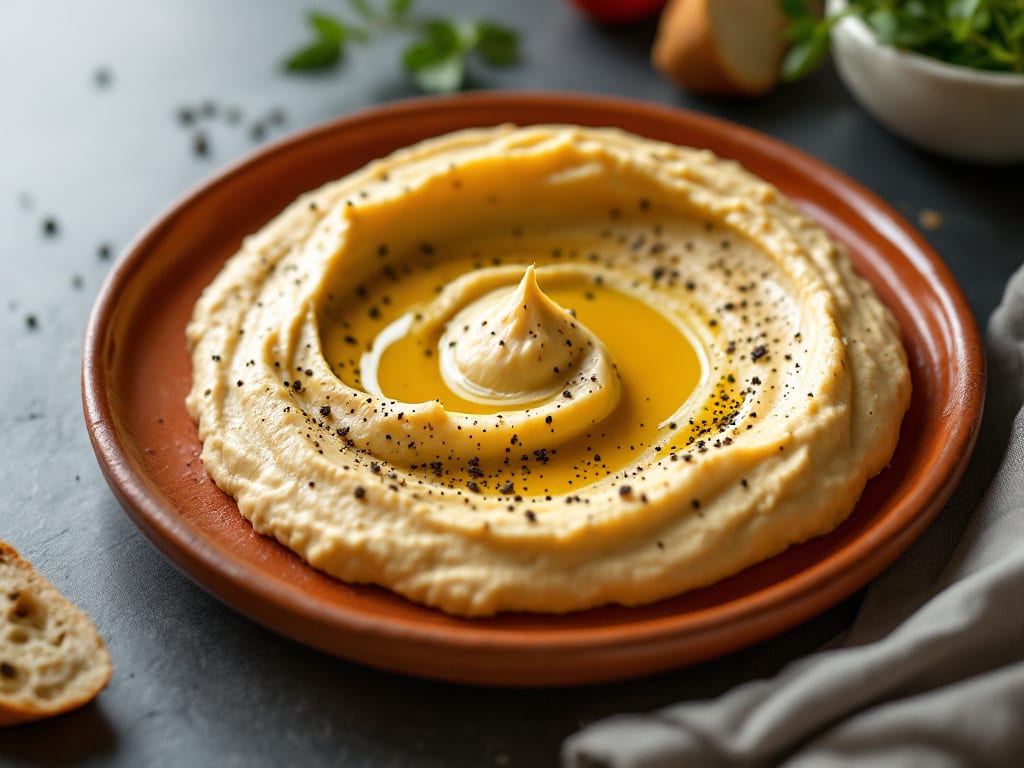
Mastering the perfect hummus recipe from Cooks Illustrated means achieving that signature silky-smooth texture that makes every bite irresistible. The secret lies in a simple yet game-changing tahini trick that transforms ordinary chickpeas into a velvety, restaurant-quality dip.
I developed this recipe after testing countless variations, and the difference is undeniable—this hummus stays creamy for hours without separating. It’s the kind of recipe that elevates any meal, from casual appetizers to elegant spreads.
What sets this hummus apart is the methodical approach to blending and emulsifying, ensuring no graininess remains. We start with soaked chickpeas for maximum creaminess, then blend them with tahini and lemon juice in a specific ratio to create a stable emulsion.
The result is a hummus that’s rich, tangy, and perfectly balanced—no chalky aftertaste here. This technique works for both classic and modern twists, like roasted garlic or smoked paprika, giving you flexibility without sacrificing texture.
By the time you’re done, you’ll have a hummus so smooth it almost feels like a dessert—ideal for dipping, spreading, or even serving as a main dish with fresh vegetables.
The flavor is bold yet refined, with just the right amount of saltiness and acidity to keep your taste buds engaged. Whether you’re hosting a gathering or simply craving a satisfying snack, this hummus delivers professional-level results with minimal effort.
Ready to elevate your hummus game? This recipe includes tips for adjusting thickness, customizing flavors, and storing leftovers without compromising that coveted silky texture. Let’s get started—your taste buds will thank you.
Ingredients for cooks illustrated hummus
Master the silky-smooth hummus trick with these 11 ingredients—no chalky aftertaste guaranteed.
| Ingredient | Amount | Notes |
|---|---|---|
| Dried Chickpeas 🌾 | 1 ½ cups | Soaked overnight for creaminess |
| Tahini 🥜 | ½ cup | Sesame paste, unsweetened |
| Fresh Lemon Juice 🍋 | ¼ cup | Freshly squeezed, strained |
| Extra-Virgin Olive Oil 🫒 | ½ cup | High-quality, fruity flavor |
| Garlic Cloves 🧄 | 4 cloves | Peeled, for bold flavor |
| Diamond Crystal Kosher Salt 🧂 | 1 ½ tsp | Adjust to taste |
| Ground Cumin 🌿 | ½ tsp | Toasted for depth |
| Water 💧 | ½ cup | For blending consistency |
| Smoked Paprika 🌶️ | ½ tsp | Optional for smoky depth |
| Ice Cubes ❄️ | ½ cup | For silky texture |
| Fresh Cilantro 🌿 | ¼ cup | Chopped, for garnish |
The tahini is non-negotiable here—Kirkland Signature or Al-Wadi are my go-tos, but any high-quality sesame paste works. The chickpeas? Dried, not canned—soak them overnight for maximum creaminess. If you’re short on time, Trader Joe’s sells pre-soaked chickpeas, but they won’t be as velvety. The garlic should be freshly peeled and toasted lightly in olive oil—this brings out its sweetness and prevents bitterness. Smoked paprika is optional but adds that restaurant-quality depth that sets this apart from basic recipes.
No tahini? Substitute with 0.25 cup extra olive oil plus 1 tbsp ground sesame seeds, though the texture won’t be identical. Fresh lemon juice is crucial—bottled won’t cut it. If you’re out of cilantro, flat-leaf parsley works, but it changes the flavor profile. Want it thicker? Add 1 tbsp more tahini or 1 tsp aquafaba. For a roasted garlic twist, blend 2 roasted cloves with the fresh ones. The ice cubes might seem odd, but they’re key to that silky texture—don’t skip them.
This hummus stays fresh for 5 days in the fridge if stored in an airtight container with a thin layer of olive oil on top. For longer storage, freeze in ice cube trays—thaw and blend with a splash of water to restore texture. I always double the batch because it disappears fast—perfect for parties or meal prep. The flavor actually improves after sitting for an hour, so make it ahead if you can.
Why You’ll Love This Recipe
- No-Fuss Chickpeas: I’ll be real—soaking dried chickpeas overnight is the only prep, and they turn out better than canned. No blender drama, no store-bought shortcuts, just pure, creamy texture that’s worth the wait.
- Garlic-Oil Magic: That first bite where the roasted garlic meets the lemon? It’s like a flavor explosion. The olive oil doesn’t just dress it—it carries the tahini’s richness, making every spoonful feel indulgent.
- Game for Any Meal: Slather it on toast for breakfast, toss it with roasted veggies for dinner, or serve it with pita at a last-minute gathering. It’s my go-to for when I need something fast but still impressive.
- Budget Meets Luxury: Dried chickpeas and tahini stretch my grocery budget, but the result tastes like a fancy restaurant dip. Plus, leftovers keep for days—perfect for when I’m too tired to cook but still crave something special.
Step-by-step instructions for Cooks Illustrated hummus recipe
Here’s the method that delivers restaurant-quality hummus with that signature velvety texture.
Prepare the Chickpeas for Creamy Perfection
Drain the soaked 1.5 cups dried chickpeas and transfer them to a food processor. I always give them a quick rinse under cold water to remove any excess starch—this prevents the hummus from becoming too thick. Add the 4 cloves garlic cloves, 1.5 teaspoons diamond crystal kosher salt, 0.5 teaspoon ground cumin, and 0.5 teaspoon smoked paprika to the processor.
Pulse everything together until the chickpeas are completely broken down, stopping to scrape down the sides of the processor bowl as needed. You’re aiming for a coarse, almost paste-like consistency—this ensures maximum creaminess in your final hummus. The mixture should look like a rough, grainy paste with no whole chickpeas remaining.
Blend with Tahini and Lemon for Richness
With the processor running, slowly drizzle in the 0.5 cup tahini through the feed tube. This is where the magic happens—the tahini adds that distinctive nutty depth while creating the signature silky texture. After the tahini is fully incorporated, add the 0.25 cup fresh lemon juice and 0.5 cup extra-virgin olive oil in a thin, steady stream.
Blend continuously until the mixture becomes completely smooth, scraping down the sides every 30 seconds to ensure even blending. You’ll notice the color transform from a dull beige to a vibrant, creamy yellow. This is your cue that the tahini is fully emulsified and the hummus is developing its signature velvety texture. The mixture should be thick but still pourable at this stage.
Achieve Silky Texture with the Ice Cube Trick
Add the 0.5 cup ice cubes to the processor and blend for an additional 1-2 minutes until the mixture cools noticeably and becomes ultra-smooth. Here’s the thing—ice isn’t just for cooling. It actually breaks down the fat molecules in the tahini and olive oil, creating that luxurious, almost mousse-like consistency that separates this hummus from the rest.
During this final blending stage, the hummus should thicken dramatically while maintaining its silky texture. You’ll see it transform from a thick paste into a glossy, spreadable consistency. If it’s still too thick after blending, add 1 tablespoon water at a time until you reach your desired consistency. The hummus should be thick enough to hold its shape when spooned but still spreadable.
Finish and Garnish for Presentation
Transfer the hummus to a serving bowl and smooth the top with a spatula. Here’s where the final touches make all the difference. Drizzle with an additional 1 tablespoon extra-virgin olive oil and sprinkle with the 0.25 cup fresh cilantro. The cilantro adds a bright, fresh contrast to the rich, nutty flavors while keeping the presentation vibrant.
Let the hummus rest for 10-15 minutes before serving. This resting period allows the flavors to meld completely and the texture to settle. The hummus should be cool to the touch with a glossy sheen—this is your indication that it’s ready to be enjoyed. Serve with warm pita bread, fresh vegetables, or as a dip for your favorite crudités.
Pro Tips For Making Cooks Illustrated Hummus
- SOAK CHICKPEAS 12 HOURS: I learned this the hard way—skipping the overnight soak means your chickpeas will turn out tough no matter how long you cook them. Twelve hours in cool water (not hot) guarantees they’ll soften perfectly, and you can even reuse the soaking water for cooking if you’re feeling lazy.
- USE A FOOD PROCESSOR, NOT A BLENDER: A blender will leave you with a lumpy, uneven mess—hummus needs the even, smooth texture a food processor delivers. Pulse the tahini first until it’s fully incorporated, then add the rest. If it’s still too thick, add olive oil slowly instead of water.
- ROAST GARLIC FOR DEPTH: Raw garlic can taste harsh in hummus. Instead, roast 2-3 whole cloves in the oven at 400°F (200°C) for 20 minutes until soft and golden. Peel them before adding to the mix—this adds a sweet, mellow flavor that makes all the difference.
- STRAIN AND REUSE WATER: The liquid from soaked chickpeas (aquafaba) is your secret weapon—it’s thinner than water and adds creaminess without diluting flavor. Strain the chickpeas, then save the liquid to thin the hummus if needed. If you’re short on time, just add a splash of lemon juice instead.
Serving suggestions for this recipe
Classic Pairings
Serve this silky hummus with warm pita bread—I always toast mine in a Le Creuset cast-iron skillet until golden and crisp. The contrast of warm bread with cool hummus is unbeatable. For extra flair, brush the pita with garlic-infused olive oil before serving. 🥖
Fresh crudités like carrot sticks, cucumber slices, and bell pepper strips are essential for dipping. I love arranging them on a platter with radishes and cherry tomatoes for vibrant color.
For a protein boost, add smoked salmon slices or marinated artichoke hearts—they pair beautifully with the smoky paprika notes in this hummus.
Middle Eastern Feast
Transform your hummus into a full spread by adding olives (I prefer Kalamata for their briny sweetness) and pickled vegetables like turnips or jalapeños. Serve with falafel and tabbouleh salad for a complete mezze platter. The combination of textures and flavors creates a restaurant-quality experience at home.
For a hearty meal, serve hummus as a spread for grilled sandwiches or stuffed into pita pockets with shredded lettuce, tomatoes, and tahini dressing. I also love using it as a dip for spring rolls or veggie spring rolls—the creamy texture contrasts perfectly with the crispy wrappers.
Modern Twists
Get creative with sweet and savory combos—pair this hummus with apple slices or pears for a refreshing contrast. The natural sweetness of the fruit balances the nutty, tangy flavors beautifully. For a spicy kick, serve with jicama sticks or endive leaves—the slight bitterness cuts through the richness.
For a breakfast twist, spread hummus on toasted bagels with everything bagel seasoning and a drizzle of honey. The sweet, smoky, and savory flavors make it a satisfying morning meal. You can also use it as a sandwich spread in place of mayo for a vegan option.
Presentation Tips
Elevate your serving game by using small ceramic bowls or hollowed-out vegetables like bell peppers or tomatoes for individual portions. Drizzle with extra olive oil and sprinkle with za’atar or sumac for a pop of color. A sprig of fresh mint adds a sophisticated touch.
For a party-friendly setup, arrange hummus in a large platter surrounded by dipping vessels for different toppings like hot sauce, pomegranate seeds, or chopped nuts. Label each topping clearly so guests can customize their dips. The visual appeal will make your spread the star of any gathering! ✨
Nutrition facts
Frequently asked questions
Why does this recipe use dried chickpeas instead of canned?
Dried chickpeas create a smoother, creamier texture because they absorb more moisture during soaking. Canned chickpeas often contain excess starch and skin, which can make hummus grainy. Soaking dried chickpeas overnight removes skins and softens them perfectly for that signature velvety consistency. If you’re short on time, use Trader Joe’s pre-soaked chickpeas—just rinse them well before blending.
Can I make this hummus without tahini?
You can substitute, but the texture will change. Replace the 0.5 cup tahini with 0.25 cup extra olive oil plus 1 tablespoon ground sesame seeds. The hummus will still be flavorful but won’t have that same rich, nutty depth. For a tahini-free version, blend in 2 tablespoons aquafaba (chickpea brine) to help emulsify the mixture. The ice cube trick still works to achieve smoothness!
How do I fix hummus that’s too thick or too thin?
For thick hummus, add 1 tablespoon water at a time while blending. If it’s too thin, stir in 1 tablespoon tahini or olive oil and blend again. The ice cube trick helps balance consistency—if you skipped it, the hummus may separate over time. Always let it rest for 10-15 minutes before adjusting; flavors and textures stabilize during this time.
What’s the best way to store leftover hummus?
Transfer hummus to an airtight container and press plastic wrap directly on the surface to prevent oxidation. Store in the fridge for up to 5 days. For longer storage, freeze in ice cube trays, then transfer to a bag. Thaw overnight in the fridge and blend with 1 tablespoon water to restore texture. A thin layer of olive oil on top preserves freshness and prevents drying.
Can I make this hummus in a blender instead of a food processor?
A high-speed blender works, but a food processor handles the tahini and ice cubes better. For best results, pulse the chickpeas first in the blender until smooth, then transfer to a food processor for the tahini and ice cube steps. If you’re using a blender, add ingredients in the same order but blend for 3-4 minutes total to fully emulsify. The ice cubes are critical—they create that silky texture that’s hard to replicate in a blender alone.

- 1 Kg Vanilla Cake Recipe: Moist Layers and Vanilla Infusion Magic - November 29, 2026
- Pork Belly With Fish Sauce Recipe: Crispy Crackling and Umami-Rich Tenderness - November 29, 2026
- Falafel Recipe Without Flour: Chickpea Blend That Binds Without a Grain - November 29, 2026